One drunk encounter, one broken system — and the politics and NIMBY pressure that keep treatment centers out
Officers face impossible situations daily, raising the question of whether more involuntary conservatorships could beat crime down
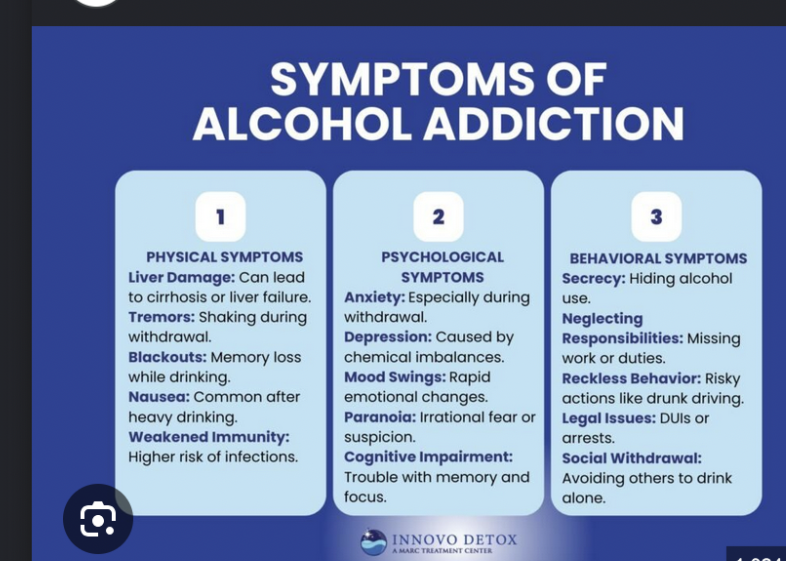
A press release describes officers confronting a man with a long history of erratic — and at times criminal — behavior, often while intoxicated, despite his past success in business. The incident underscores a larger question: whether California is willing to build the capacity and political will for services, including involuntary conservatorships, for people whose substance‑abuse struggles repeatedly spill into public safety and community life.
If you read the police blotter for long, you’ll see that a very small group of people account for a disproportionate share of police and sheriff’s calls. These individuals are extremely difficult to manage and are often high or drunk, as this man allegedly was. Gov. Gavin Newsom pushed involuntary conservatorships hard, but the left resists expanding them on civil‑rights grounds, and the right — since the Gingrich era — has largely refused to work with Democratic governors, including Newsom, even when the proposal aligns with conservative principles.
The GOP won’t work with the next governor if he or she is a Democrat, and Democrats — even with a supermajority — have shown little appetite for pushing this issue. That leaves a gap. Without either party willing to take it on, hard‑working law officers are left trying to pull the same people out of the same catch‑and‑release cycle. They face these situations daily. I’ve seen it many times, and I’ve often thought I might not do as well as trained officers. They’re operating in a system where the two parties can’t work together, and where some in the public respond to every arrest with the reflexive, and often unhelpful, call to “lock him up and throw away the key.”
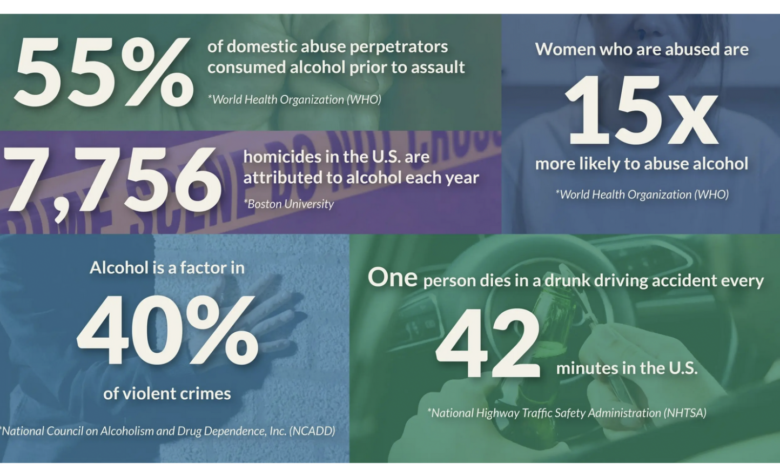
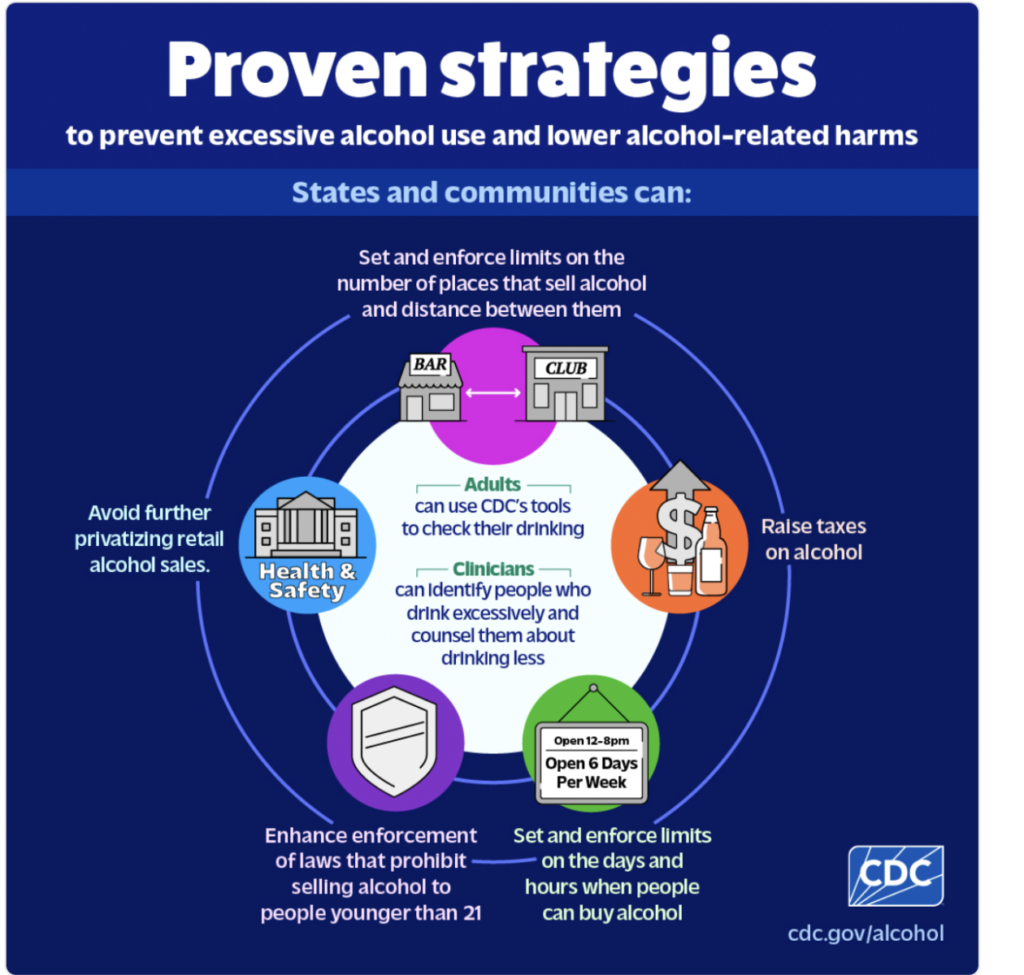
For pedophilia, rape, or homicide, that reaction may be understandable. But for drug‑ and alcohol‑related offenses, locking people up simply repeats a long‑failed approach. Prohibition and the War on Drugs did not work. Years in the ER showed how large a share of society’s problems — from crime to health — stem from alcohol. People destroy their bodies, their families, and their stability for it. Alcohol harms far more people than illicit drugs, yet that reality often goes unacknowledged.
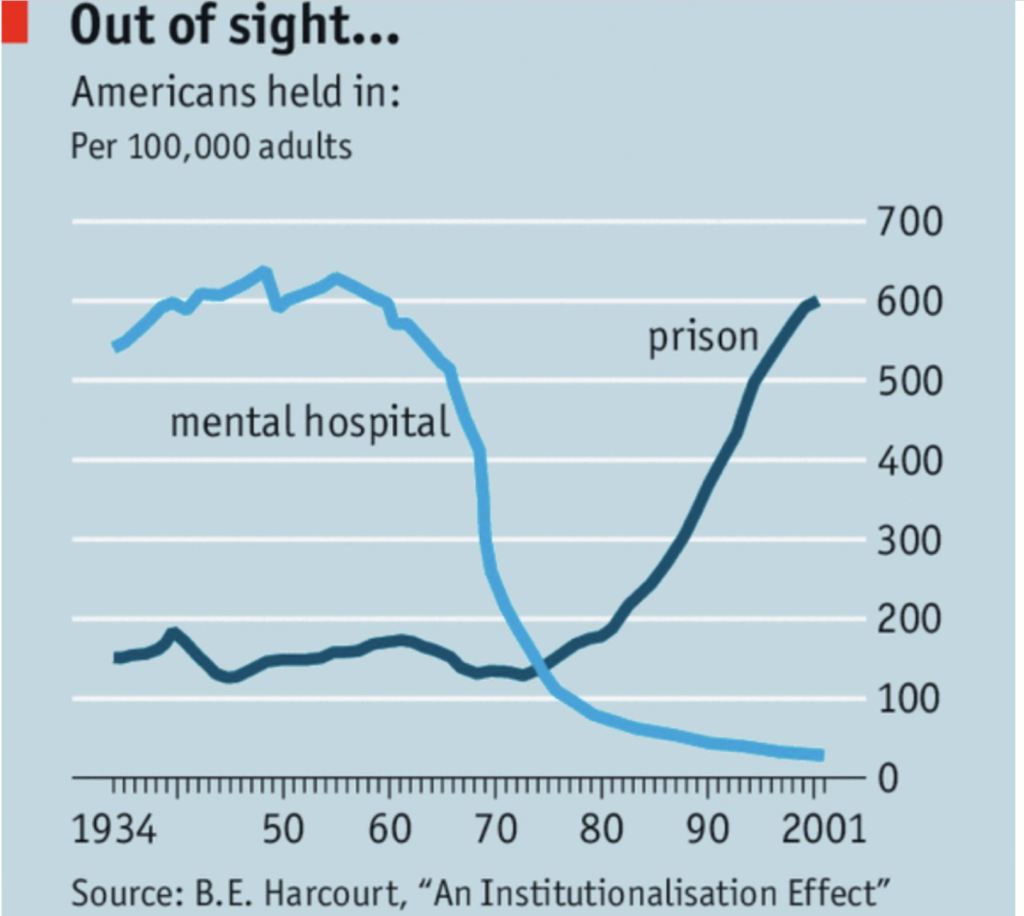
Ronald Reagan is often blamed for closing the state mental hospitals — a piece of political folklore with a sliver of truth but one that obscures the broader history. From the 1960s through the 1990s, states across the country shuttered most of their psychiatric institutions. Many of those hospitals had become deeply troubled, and the push to close them came from two directions: fiscal conservatives, including Reagan and many others, and civil libertarians concerned about abuses. Both sides agreed that large institutions should be replaced with local treatment centers for mental health, substance‑use disorders, and related needs. The second part of that plan never materialized at the scale promised. As the data show, people with serious mental illness were increasingly left to fend for themselves in the community.
Over time, the GOP shifted away from the Main Street–oriented approach that once supported such programs, and Democrats did not fill the gap. The long arc of hospital closures tracks closely with the rise in homelessness and the growing number of people with untreated mental illness, addiction, and alcoholism living on the streets — a pattern that has cost communities billions to manage downstream.
Local resistance played a major role as well. NIMBY opposition surfaced almost everywhere proposals for treatment centers were introduced, and many projects were blocked outright. We are aware of several facilities in this county; we are not naming them here. We have no interest in fueling NIMBY fears or stigmatizing the people who rely on those services. We monitor the facilities on the Coast, and if management problems emerge, readers will hear about them.
Unpopular, perhaps — but ignoring the issue hasn’t worked.
These substance abusers need help, but most won’t finish rehab or complete drug court. Many cycle through the system repeatedly. A narrowly tailored conservatorship approach could keep them in treatment long enough to stabilize and demonstrate they can live peacefully in the community.
While laws allowing involuntary rehab took effect in 2023, the state has been unwilling to build the infrastructure needed to make the system function. Treatment centers should exist in Ukiah, in Fort Bragg, and in reach of remote communities. We frame this crime story this way out of a sense of desperation — watching officers work inside a system that politicians in both parties have declined to fix.
Read the description of this encounter with local peace officers in the press release. We don’t know whether Justin Greer has a drug or alcohol problem; we only know that the person described in the release appeared to. Greer is presumed innocent until proven guilty. But the account in the press release describes someone who might be a candidate for long‑term forced rehab — if that person is Greer. We don’t know whether the actual individual would meet that threshold.
In 2004, more than half a lifetime ago, Greer was arrested after a man in Rio Nido was left in critical condition from being struck in the head with a baseball bat in the street. A decade ago, the Coast Guard helped search for him when his boat was found off Bodega Bay. He later turned up at the Mexican border, where he was turned away, according to a Press Democrat report. At the time, he had been facing serious criminal charges in Sonoma County courts when he vanished.
Just recently, he was arrested in an incident involving guns in which he threatened deputies. He is prohibited from having firearms by his record.
Greer has also perhaps shown that when he is free of alcohol, he can function in society; he has operated several businesses in the Guerneville area over the years. He owns property and ran a successful tree‑removal contracting business until issues related to his arrest record surfaced. Jail hasn’t worked. Now 43, he is accused of serious misconduct while intoxicated. Addiction is a disease, but it does not give anyone the right to commit crimes. Still, society could save billions if it focused on helping people caught in addiction find the productive lives many of them are capable of.
No program fits everyone perfectly, and Greer may not be a fit at all. But the larger truth remains: if we invested in effective, sustained treatment instead of cycling people through a revolving door of jail and prison — where almost no treatment exists — their world, and ours, could be better.
What we refuse to do is pretend that a press release, fired out without context, is enough. Too many local outlets treat these documents as finished stories. They aren’t. They’re starting points. Crime, addiction, mental illness, and public safety are bigger than a single arrest report, and they deserve reporting that reflects that.
So we’ll keep adding the context others leave out. We’ll keep asking the questions that don’t fit in a press release. And we’ll keep insisting that the public deserves more than the first version of the story — because the first version is almost never the whole one.
The police listed the address as the 100 block of Ford Road, which is an area under HIghway 101 where Big Daddy Garden Supply is, not sure if that is the parking lot, but we like to give readers an idea of location. Authorities commonly don’t give the exact address, which is a sensible practice.
MEDIA ADVISORY/NEWS RELEASE
DATE: “May 18, 2026”
FOR IMMEDIATE RELEASE:
Incident Number:
2026-8875
Crime/Incident:
69(a) PC – Resisting arrest by force or violence
12022.1 PC – Committing a felony while released on bail or O.R.
148(a)(1) PC – Resisting/delaying a peace officer
11550(a) HS – Under the influence of a controlled substance
Location:
100 block of Ford Road in Ukiah, CA
Date of Incident:
05/15/2026
Time:
08:30 P.M.
Victim(s):
People of the State of California
Suspect(s):
Justin Greer (43-year-old male from Willits, CA)
Written By:
Sergeant J. Woida #2710
Synopsis:
On 05/15/2026 at approximately 8:30 P.M., Mendocino County Sheriff’s Office Deputies were dispatched to the 100 block of Ford Road in Ukiah, CA, regarding a report of a suspicious and aggressive male subject causing concern to citizens in the area. The reporting party advised the male subject was yelling aggressively and had parked his vehicle in a manner that obstructed access to the parking area.
Upon arrival, Sheriff’s Deputies observed a male matching the description who appeared to be in a verbal confrontation with two subjects in the area. Sheriff’s Deputies contacted the male subject, later identified as Justin Greer (43-year-old male from Willits, CA). During the investigation, Sheriff’s Deputies observed Greer displaying objective signs and symptoms consistent with alcohol and controlled substance intoxication to include erratic behavior, rapid mood changes, hyperactive body movements, and delayed responses.
While Sheriff’s Deputies attempted to conduct their investigation, Greer repeatedly refused lawful commands and attempted to leave the scene after being advised he was not free to leave pending further investigation. When Sheriff’s Deputies attempted to place Greer under arrest, he actively resisted by pulling away and using physical force during the struggle with Sheriff’s Deputies before ultimately being taken into custody.
During the investigation, Sheriff’s Deputies learned Greer was released from custody on bail from the Mendocino County Jail for an unrelated arrest for alleged felony crimes.
Based on the totality of the investigation, to include statements from witnesses, Greer was arrested for violations of 69(a) PC – Resisting by force or violence, 148(a)(1) PC – Resisting/delaying a Peace Officer, 11550 HS – Under the influence of a controlled substance, and 12022.1 PC – Committing a felony while released on bail or own recognizance. Greer was transported and booked into the Mendocino County Jail. Greer was later released on a signed promise to appear after posting $40,000 bail.
Anyone with information related to this incident is requested to contact the Mendocino County Sheriff’s Office at 707-463-4086 (option 1). Information can also be provided anonymously by calling the non-emergency tip-line at 707-234-2100.
Approved by:
Captain Quincy Cromer #2651
Mendocino County Sheriff’s Office
Matthew Kendall, Sheriff-Coroner
951 Low Gap Rd, Ukiah, CA 95482
(707) 463-4411, Sheriff@MendocinoSheriff.com
Here is a link to the CA Legislature’s analysis of this issue: