Media Tall Tales: The “70‑Foot Cliff” That Wasn’t, and the Myth of Rare Wind Sailors — Which Aren’t Rare at all
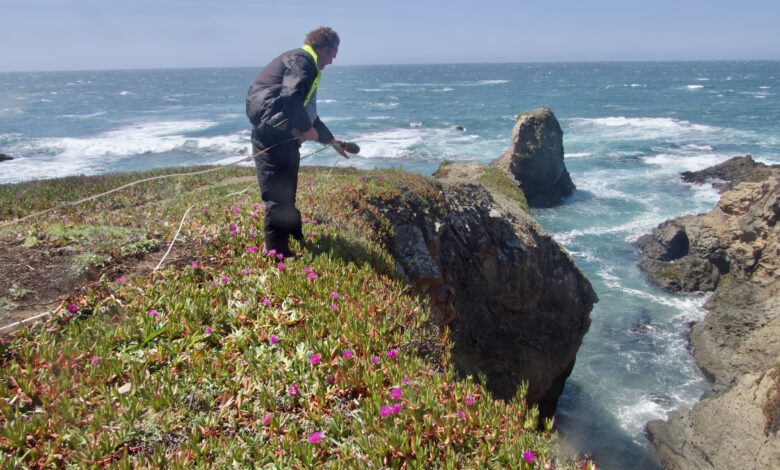
Contrarians that we are, we went and measured the cliff rather than rely on the number being repeated.
AI‑accelerated news cycles now reward speed over verification, and unverified claims spread long before anyone checks them.
In a recent story about a man who fell to his death from a cliff at Todd’s Point, the press release claimed the drop was 70 feet. I knew that wasn’t right, and it mattered: a fall from that height would almost certainly be fatal. My own estimate put the cliff at no more than 35 feet. But once a number enters a press release, it becomes the permanent version of events, no matter what later measurement shows. The modern media does not check and does not change anything when proven wrong. It’s so weird how different it all his now.
Our previous Story reporting on the Todd’s Point death
wrapped it around me.
Colleagues may find my questions inconvenient, but accuracy has always depended on asking questions. Talking to people is considered odd and archaic now.. I read everything I can find about a case because that’s what it takes to produce the best version of the story. Verification used to be routine; it was simply part of the job. Today, in an era when it’s easy to sit at a computer and forward a press release, that habit of checking has slipped. But forwarding press releases isn’t reporting. It’s only when we pause, question, and confirm that we serve readers the way they expect to be served.
I learned that lesson early. Twenty years ago, when I was at the Advocate News, I published a CHP press release saying a well‑known animator had died when his car went off a 90‑foot cliff. Two readers confronted me. They expected accuracy — and they were right. I had checked the height, and the cliff was 90 feet at the top, but there was a guardrail there. The car went off at a lower point, where there is now also a guardrail. I should have known. Today, the Wikipedia entry for his death lists the fall as 110 feet, a reminder of how easily numbers drift when no one stops to verify them.
That’s why I keep pressing for better habits. Not to criticize colleagues, but because accuracy is the foundation of trust. And trust is the only thing a news outlet truly owns.
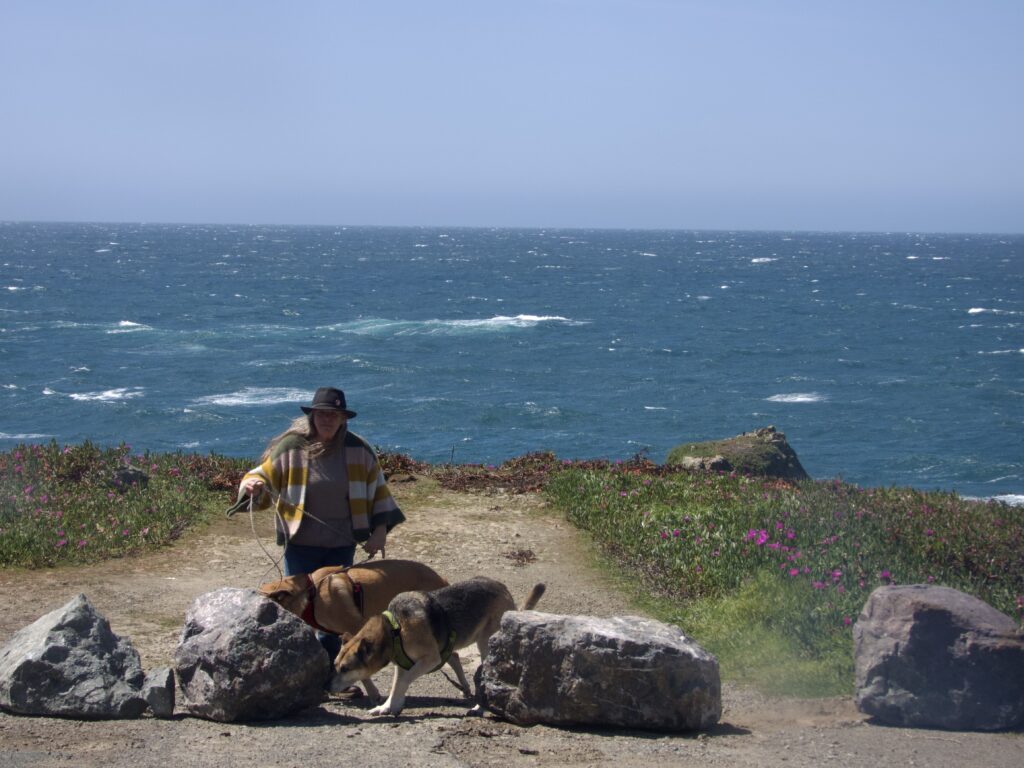
finding all kinds of new smells.
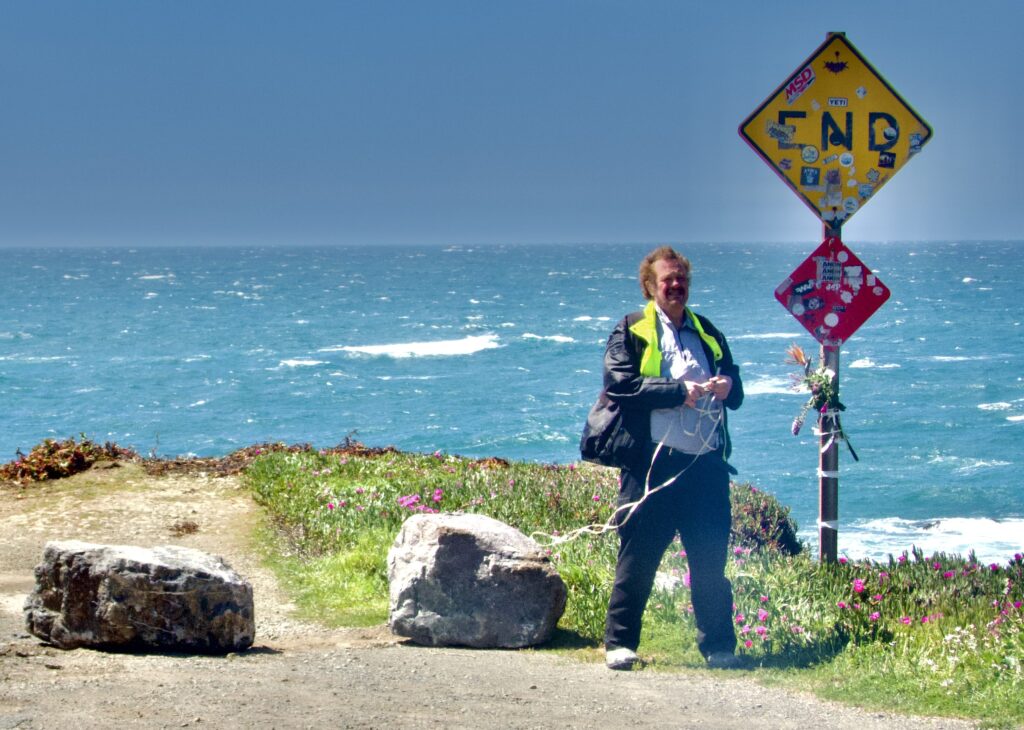
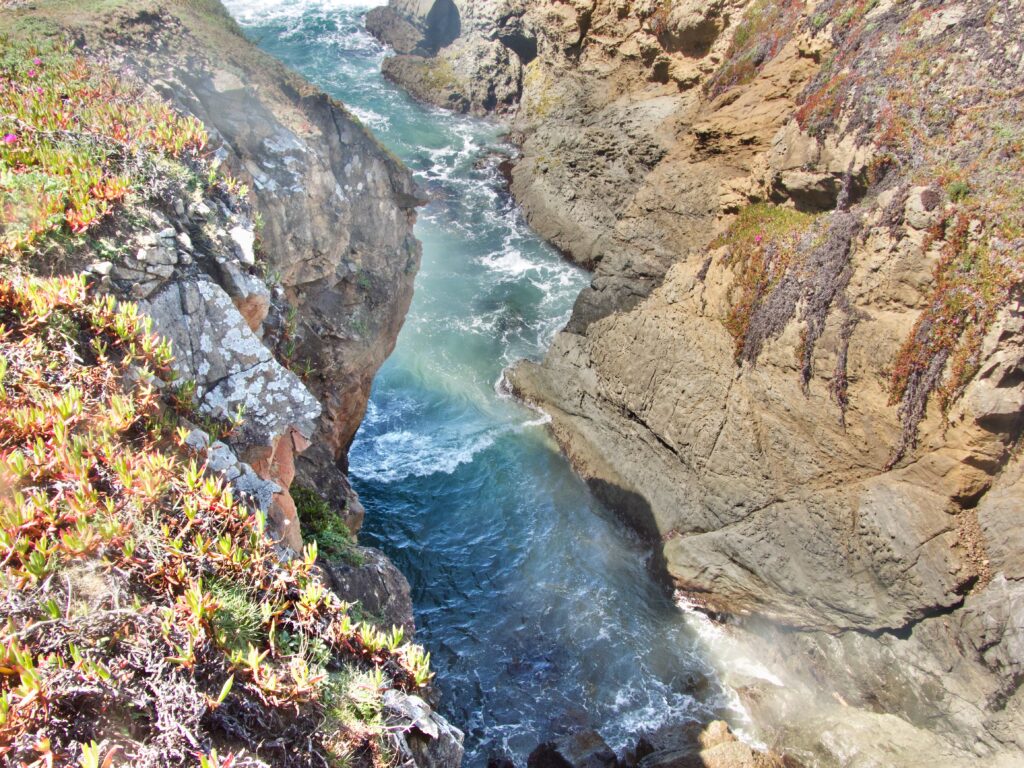
We went and measured the cliff ourselves with a paper tape on a windy day. After a brief tangle‑up, Linda tied a rock to the tape and I dropped the line to the top of the water. At its highest point, the cliff measured 42 feet and that literally is a stretch. The autopsy confirmed that the fall killed the nurse and rugby player; he was a large man, and he went headfirst. We also parked our car and walked the area on the day of the incident. Given the way the hillside is cut, it would have been very easy for someone to lose their footing there. Since then, someone has placed boulders along the edge to prevent cars from driving down and to keep anyone else from falling.
The issue isn’t mistakes — everyone makes those. The issue is the loss of verification. We’re seeing a chilling of information in a media environment where press releases are treated as if they were settled fact. When agencies know their statements will be repeated at light speed, exactly as written, they become more cautious about what they share. And when the press stops acting as an independent, verifying third party, the public gets less news and more unexamined narrative. That’s how reputations get damaged and how errors harden into the permanent version of events.
The recent “human trafficking” case in Navarro was a perfect example. Even large regional outlets ran the unusual, incomplete press release exactly as written. But the facts have shifted as investigators have done the work, and anyone who paused long enough to ask huh? would have seen immediately that the initial narrative didn’t add up. Verification would have helped the public understand what was actually happening, rather than once again amplifying a dramatic claim about someone who had only been arrested.
This isn’t about blaming colleagues; it’s about the role of the press. When newsrooms repeat a press release verbatim, they stop being an independent check and start being a distribution channel. When no one asks basic questions, the public gets less clarity, not more. And when unverified claims are repeated as fact, people can be harmed long before the truth is sorted out.
Everything is more locked down in the modern media environment, and the press rarely pushes back. Two major federal cases surfaced recently, yet there was no public place to look up basic information until the defendants appeared in court — and even then, what was available was sparse and non‑informative. It is entirely possible for someone to be taken into custody with no public record and no way for the community to understand what happened. That occurred here this year. And how many more? We won’t know unless someone chooses to share information with a favored outlet — often the ones that don’t question anything.
Federal agencies rarely issue press releases, and when they do, they tend to be minimal. That leaves the public dependent on whatever fragments surface, and it leaves newsrooms without the ability to verify or contextualize events. The issue isn’t mistakes — it’s the shrinking flow of information and the absence of routine verification. When newsrooms don’t ask questions, the public gets less clarity, not more. And when unverified fragments become the whole story, people can be harmed long before the facts are known.
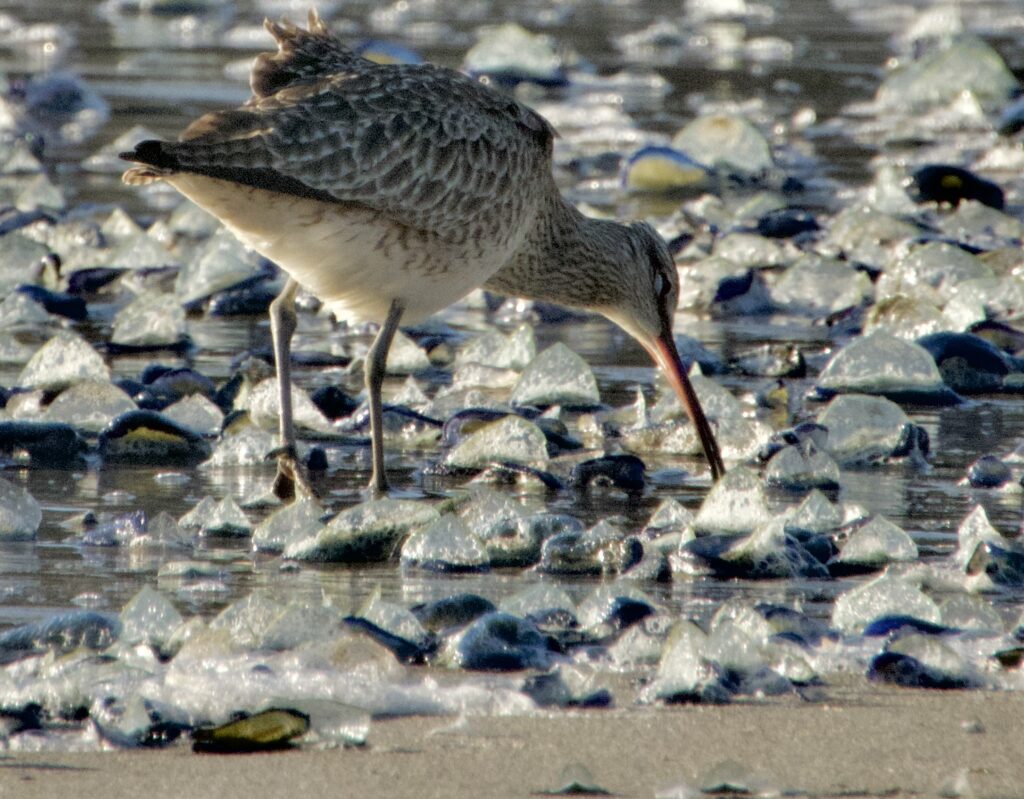
To stay on the subject of shaky media practices—while lightening things up—let’s turn to By‑the‑Wind Sailors. Since late March, a wave (pun intended) of news media coverage has claimed Northern California beaches are being “blanketed” in a mysterious jellyfish‑like creature that rides the high seas until the wind strands them on shore. When Frank, Linda, Brubacker, and Cheeser went to Noyo Harbor Beach on May 9, the dogs sniffed out a thin line of newly arrived Velella velella, bright blue and still alive. And the funny part is that, once again, we could have counted them. In fact, we did a quick tally along the wrack line: a few dozen at most. There simply aren’t very many this year, comparatively, despite the media copy‑pasting each other and insisting this is some kind of unusual event.
The coverage had to stretch to call this year’s Velella landings rare or extraordinary or anything other than smaller than the last few yeas, simply because that’s how journalism now works. Yet this mass stranding happens every year. This time, there were many news stories as Velella velella, even though the numbers on the beach were modest. Once one outlet framed it as unusual, others echoed it — from the Voice to SFGate, the Chronicle, and media from Monterey to Oregon — most repeating the same “bigger than usual” storyline despite nothing being different, and in fact, the opposite being true.
Each time, to sell a story, a reporter has to tell an editor there’s something new or different. But those of us who walk these beaches daily — as I have for ten years now, from Point Reyes to Westport — know there were actually far fewer of the critters this year than in 2024 or 2025. It’s a long‑standing problem in nature writing: the pressure to declare that something has changed in order to justify the coverage.
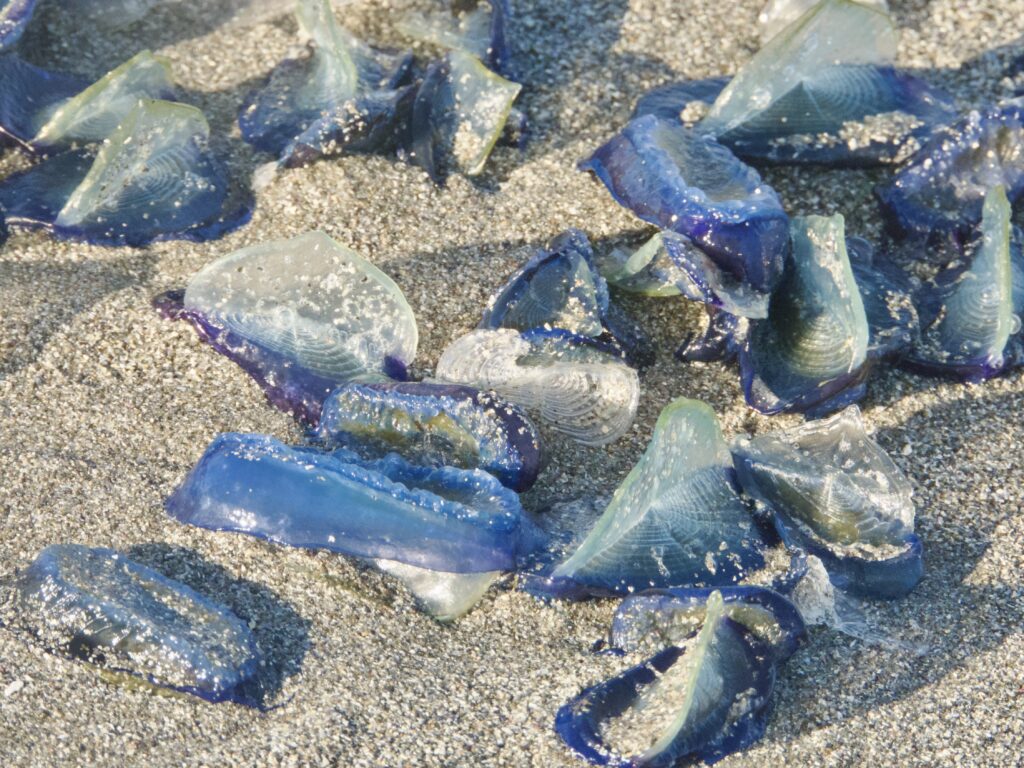
And the articles were so short and light that readers learned almost nothing about this remarkable organism. Velella velella, or By‑the‑Wind Sailors, are essentially miniature sailing fishing boats: a cobalt‑blue, translucent deck topped by a clear, angled sail. They’re not jellyfish at all but a colony species — a single floating community made up of different kinds of organisms working together. The sail is built and maintained by one set of tiny partners; the stinging tentacles below act as fishing lines; and the algae within the colony digest whatever the tentacles bring in. Their young sink to the seafloor, reproduce there, then rise as new sailors to join the fleet at the surface. Mysteriously, the adult living fishing boats, which cannot adjust their sails (they really are sails in every respect of the word, just not able to be adjusted when the wind changes), somehow manage to remain above the area where their young are rising from the bottom, sometimes sailing in circles somehow and returning to greet the rising Medusas.
They drift the world’s temperate oceans, feeding on anchovy eggs, fish larvae, and bits of plankton. Humans have never been able to figure out where they are on the high seas, only when they get near shore. But there is one species at least smarter than us. Sea turtles find them easily and devour them by the thousands. High numbers of Velella often signal good upwelling, and their strandings tell us something about weather patterns — though humans haven’t quite figured out what.
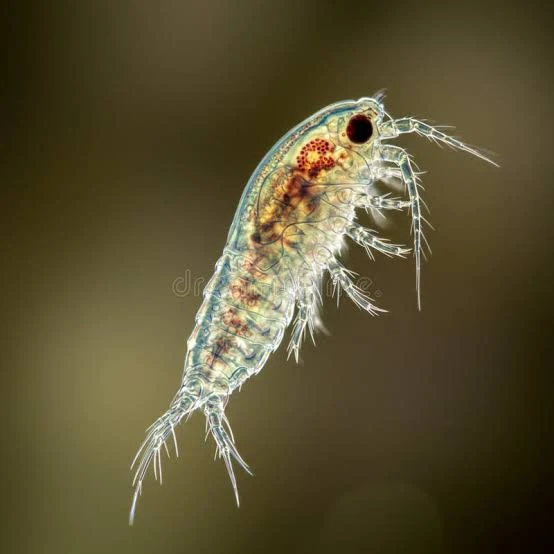
They arrive in spring, but the coast has fascinating creatures washing up or spawning all year. A beach hiker can see surf smelt spawning right on the sand, patches of glowing bioluminescence, and later in the year the jellyfish strandings. Then comes another oddity: the innkeeper worm, a species that hosts an entire community of other organisms inside its burrow. After heavy winter storms, they can wash ashore by the millions. They’re also known as “penis worms,” for obvious reasons, and they live on the seafloor, where they use an elaborate lure‑and‑line method to feed.
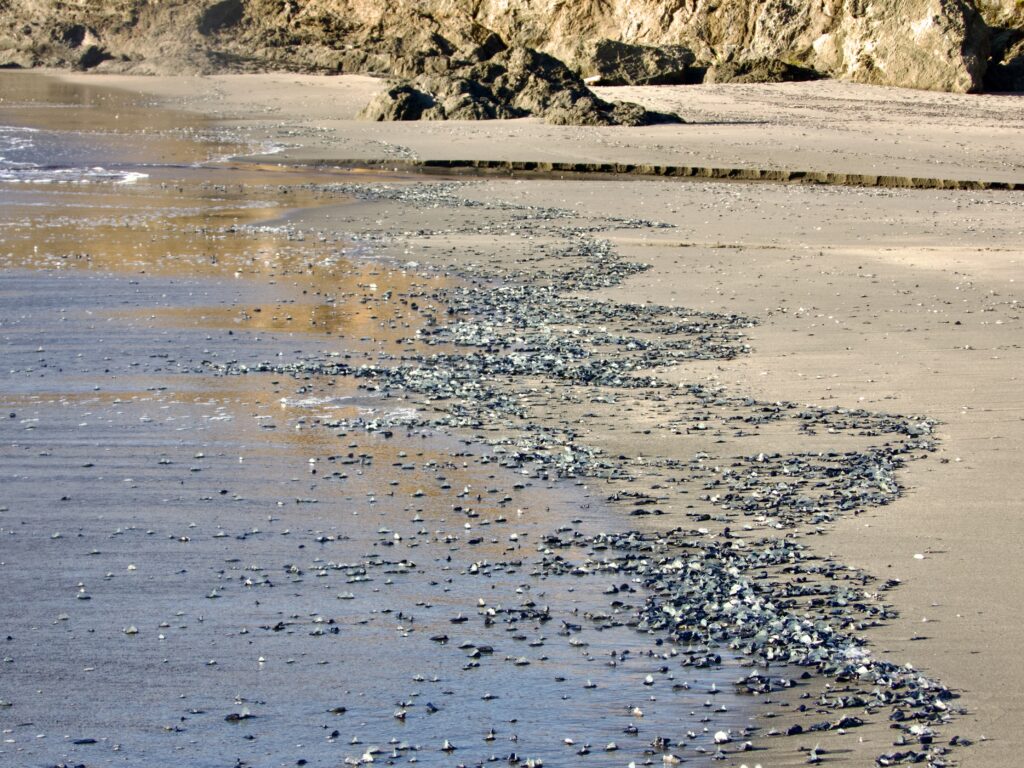
SF Gate did a good story on the Vella, you can read it by clicking their name in blue. It gives a great explanation of the very wet weather pattern we call El Nino and carefully ties the arrival of the Vella Velella to the arrival of El Nino. One problem— there really werent’t more of the Velella this year, that was the media and the El Nino is next year, maybe.
Bickering over cliff heights and sea creatures might seem petty, but it’s a useful illustration of the danger of instant media gratification — the kind that tells you nothing. The old journalism‑school rule from the 20th century deserves a revival: no press release should ever appear unaltered or unchecked, no matter how small the subject seems. One perspective is never enough. And when it comes to crime, the stakes are enormous. Lives can be upended in a single unverified paragraph.
What’s evolved in its place is a press‑release‑cheering media culture that posts first, asks nothing, and often ends coverage right there. In the 20th century, we read the police log, pulled the reports, and asked questions. Today, too often, the public gets the first version and never the second.
So stay aware. Ask for facts. Don’t put your news in one media basket — or in the hands of one reporter. Stay informed and demand more from media.
The truth is rarely found in the first telling, and it’s never found without someone insisting on it.