New column: Ask the Vet!! by Dr. Chaves + Cheeser and Brubaker dig deep for news tails
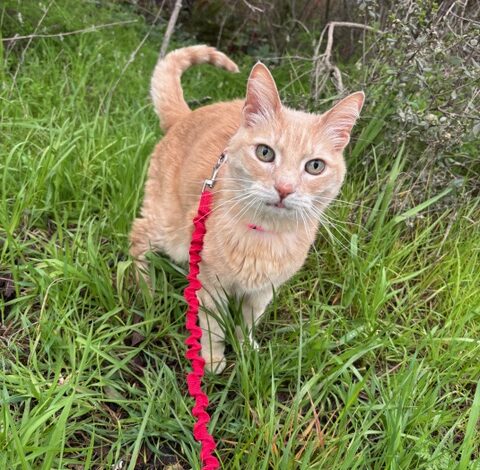
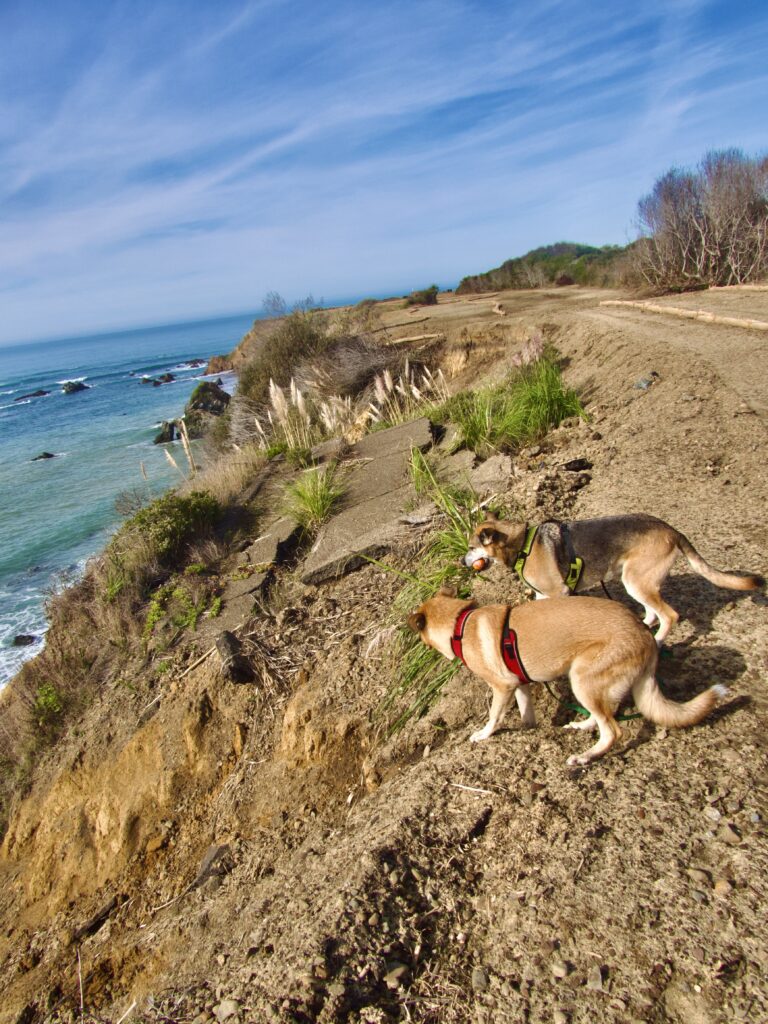
Introducing our newest column — Ask the Vet!
Send us your questions, and our animal team—Cheeser and Brubaker, both proud Pawlitzer Prize winners—will route them straight to Carol Lillis and Dr. Colin Chaves.
If you’re not quite sold on our two new editors, here’s a hint of what they can do: they kicked things off with a full column on cats, proving they’re willing to start wherever the community’s curiosity lands. They’ll dig into on any animal‑related questions you send and will be crafting original columns along the way.

Our Wonderful, Unique Cat!
By Colin Chaves, DVM
Of all common pets, there is only one that is a true, obligate carnivore. This is the domestic cat, Felis catus. Unlike dogs, cats have not evolved much from their ancestors over thousands of years
Everything about a cat revolves around being a carnivore, & if you view them through this lens, you will have a better understanding of their behaviors and needs. This is especially important since so many of us choose to live with them as companions.
- Anatomy and physiology. Cats are predators. Their teeth, skeletal structure, eyes, claws and whiskers all reflect their predatory nature. Their relatively short GI tract is built around being a carnivore.
- Feline nutrition. Cats are built to eat small animals. As obligate carnivores, they need food that is high in protein while being very low in carbohydrates. Cats originated in the African desert, so they are accustomed to getting moisture out of their food. They have a low natural thirst drive and are not naturally efficient drinkers. Even though a normal, healthy cat should almost never be seen drinking water, you should always have clean, fresh water available. Dry food is the complete opposite of what cats need to thrive – low protein, high carbohydrates, and lacking moisture. A quality, balanced and complete canned food diet is what your cat needs.
- Hunting behavior. Feral cats typically hunt and eat (if successful) 8 or more times a day. Meals are generally small and might consist of an insect or small mammal. Cats require this sort of activity for their mental and physical health.
- Mental and physical health. Many people joke about how much cats sleep. While cats do love to nap, it is not normal for them to be spending the majority of their time sleeping. Cats need mental stimulation and exercise daily. A healthy 12-year-old cat that has been well taken care of should be difficult to tell apart from a 3-year-old cat. Throughout my career, I have noticed that this is the exception and not the norm. Most cats have a bowl of dry food out all the time, providing an inappropriate diet and lacking the mental stimulation associated with getting meals, while having little to no physical activity.
- Cats as prey. Most people understand that cats are predators, but many people do not realize that cats know that they are also at risk of becoming prey. It’s evident in their mannerisms and behavior. For example, cats often choose high perch areas, which provide both a good spot for hunting as well as a defensive position. When a cat is pressed into an intimidating place or position, they can react with intense fear.
- Cat behavior. Cats are complex, fascinating creatures with their own unique behavior patterns. Appropriate play behavior should mimic hunting activity. Anyone who loves cats should seek understanding of this. Cats are not at all like people, and they are dramatically different from dogs. Evidence of their complexity is the confusion caused when a cat is showing a person affection only to suddenly turn and bite or scratch that person.
- Reproduction. Cats are quite good at making kittens. Spaying and neutering cats is very important. That applies to all cats, but especially to cats that go outdoors. A single female cat can produce roughly 36 kittens in 16 months, adding to the worldwide cat overpopulation crisis.
- Non-native species. The ancestor of domestic cats is an African wildcat. Cats are considered non-native in all other areas of the world. As highly efficient hunters, they can decimate native species, especially birds. Cats can also spread disease when outdoors, such as rabies and intestinal parasites. Cats that go outdoors have been shown to have a significantly shorter lifespan than indoor cats, and will suffer more injury and illness. All of these things should be taken into consideration if you wish to allow your cat to go outdoors. A good alternative to allowing free-roaming outdoors is an outdoor enclosure.
Sharing your home with a cat as a pet is a wonderful, unique experience. Cats are very complex creatures, so caring for a cat is a grave responsibility that requires knowledge and study.
Cats are not at all like people, and they are dramatically different from dogs.
dr. Chaves
- Resources for further learning:
- Cat nutrition: catinfo.org.
- Cat behavior and husbandry: https://indoorpet.osu.edu/cats , https://cattledogpublishing.com/ , https://veterinarypartner.vin.com/ .
Now, let’s meet our editors, both friends of Dr Chaves, albiet it took years for Brubaker to get there, it only took seconds for Cheeser.
Cheeser (Caesar) and Brubaker (Brutus) have adopted these noms de chiens so the animals of Mendocino County can tell their tales without worrying about being identified to their “owners.” The two canines — chien is French for male dog — reside with Frank, Linda, Joel Hartzell, and Grandma (Anne Bobincheck). Cheeser came to us from Ukiah Animal Control nearly a year ago, and Brubaker has been part of the pack since our friend Molly asked us to rescue him a decade back.
Cheeser and Brubaker like to present themselves as papa and pup, though they’re not related at all. Brubaker is a Malinois–German Shepherd mix, while Cheeser’s genetic test shows him to be 69 percent German Shepherd and 25 percent Great Pyrenees. Brubaker chose him at the Ukiah Animal Shelter, ignoring the rest of the litter in favor of the puppy who matched his energy from the first minute.
That litter had been dumped along the roadside, but the story took a better turn. When we ran Cheeser’s DNA, several adult dogs popped up in the database — brothers and sisters who also found homes.
Cheeser needed time to grow before the duo could begin their reporting careers. He now weighs nine times what he did when he arrived. One of his first Fort Bragg friendships was with Dr. Colin Chaves, whom he adored instantly. To Cheeser, a veterinary visit is still a celebration. He has yet to encounter — or exhibit — anything resembling aggression.
Brubaker (Brutus) had strong feelings about Dr. Chaves at first — namely, that he might like to bite him. Dr. Chaves met that energy with patience, and over time the two became friends. Flash of teeth went to growl, growl went to deep rumble ,then all of it was gone and he wags his tail when he sees the good doctor now. But we still hold his head. Brubaker would still rather skip the vet’s office entirely, no matter how enthusiastically Cheeser tries to sell it as the highlight of the week.
Brubaker once worked security as our chicken supervisor, dispatching varmints in seconds. He has always been Cheeser’s opposite in the aggression department; we had to stay fully engaged with him. Linda and I would hold him at night while he growled, then cried, then finally slept — the “Kraken” revealing the soft dog inside. He shows only that softness now in public, but he remains a dog no one should ever pick a fight with.
They want your mail! Their top request is letters beginning with “Dear Cheeser and Brubaker,” especially from cute female dogs. Cats, monkeys, hamsters, and male dogs are welcome too. Skunks need not apply. And squirrels who write in must provide their exact location so the boys can trot over for an in‑person interview.
On Sunday, April 25, Cheeser accompanied Brubaker on a search for a dog named Otis on Airport Road. Brubaker treats search work like a calling. After sniffing Otis’s towel and cart, he spent two determined hours checking every building, bush, and shadow.
Cheeser, ten years younger and not entirely briefed on the assignment, knew we were looking for something important—but had no idea what. His proudest moment came when he located a hawk in the bushes, mid‑meal. He barked triumphantly and lunged forward, startling the hawk into flight. Brubaker was not amused; in his mind, Cheeser was derailing the VERY serious dog search.
Once Brubaker had inspected all of Woody’s Weld All—under buildings, around vehicles, and through the brush—he climbed into the car, drank two bowls of water, and fell asleep instantly. Cheeser, who copies everything Brubaker does, curled up and napped too, despite having energy to spare.
Letters can be sent to their newsroom inbox at frank@mendocinocoast.news

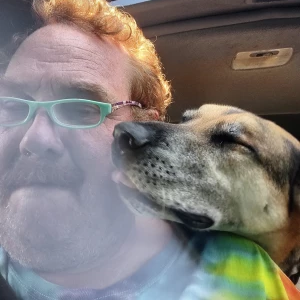
Thank you Frank, for bringing this to your news feed; a wonderful feature! Dr Chaves is my vet, who not only provides great care for my animals but takes time to teach and educate on health and prevention of future problems as well. Carol and I used to volunteer at the county shelter (I still Volunteer at MCHS) and she taught me the value of never giving up on an animal. I watched her take her time and use her Cat Whisperer skills with many “spicy” felines, socializing them for adoption. They are both great assets to this community.