Where Did That Driftwood Come From? Take Home World‑Traveling Wood and Help the City

Please send us your best driftwood photo!
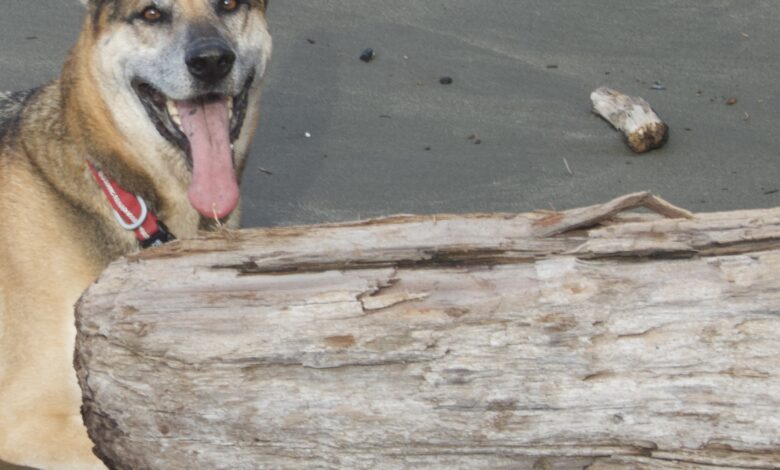
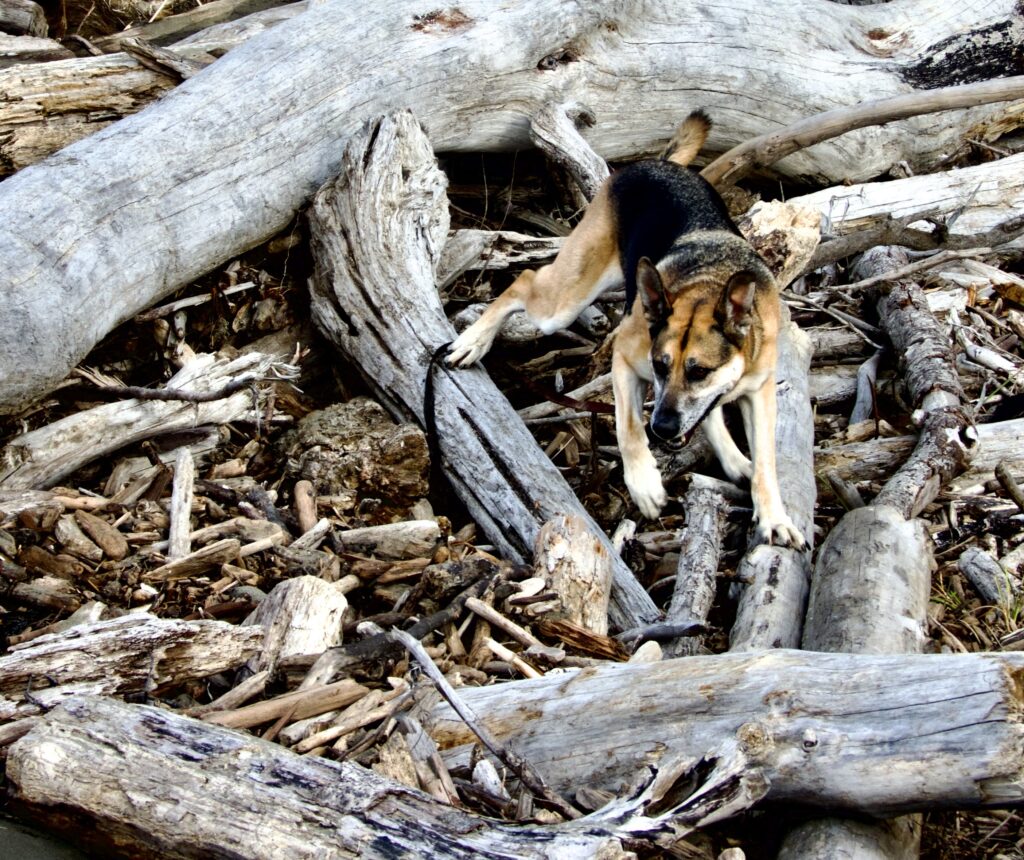
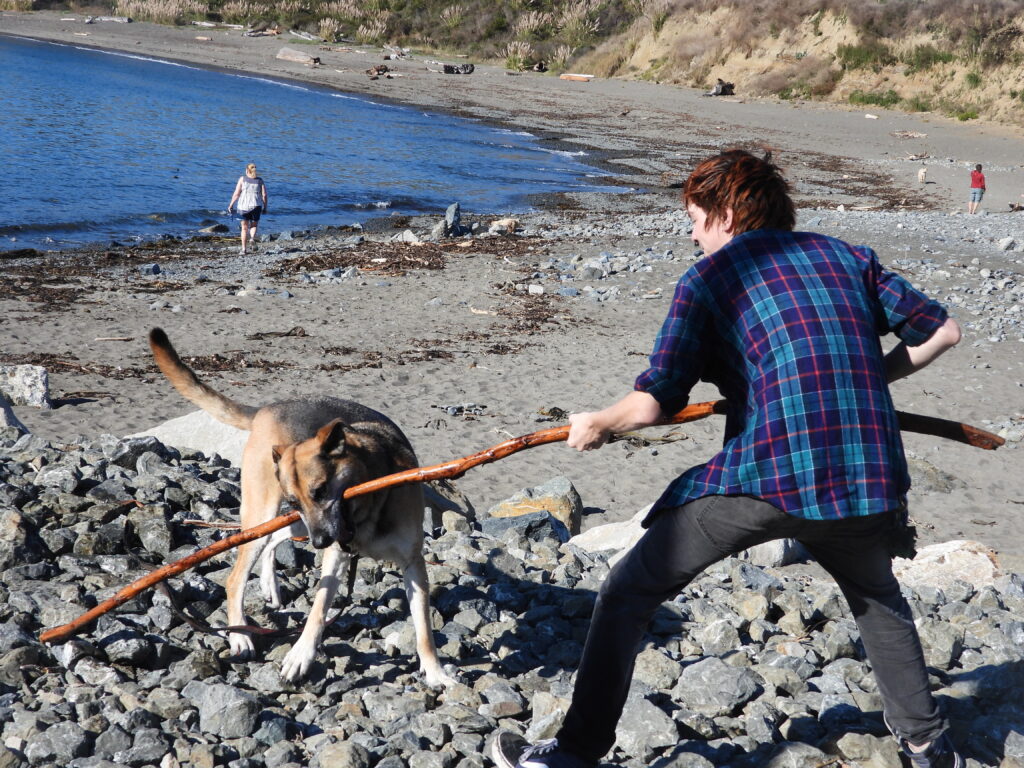
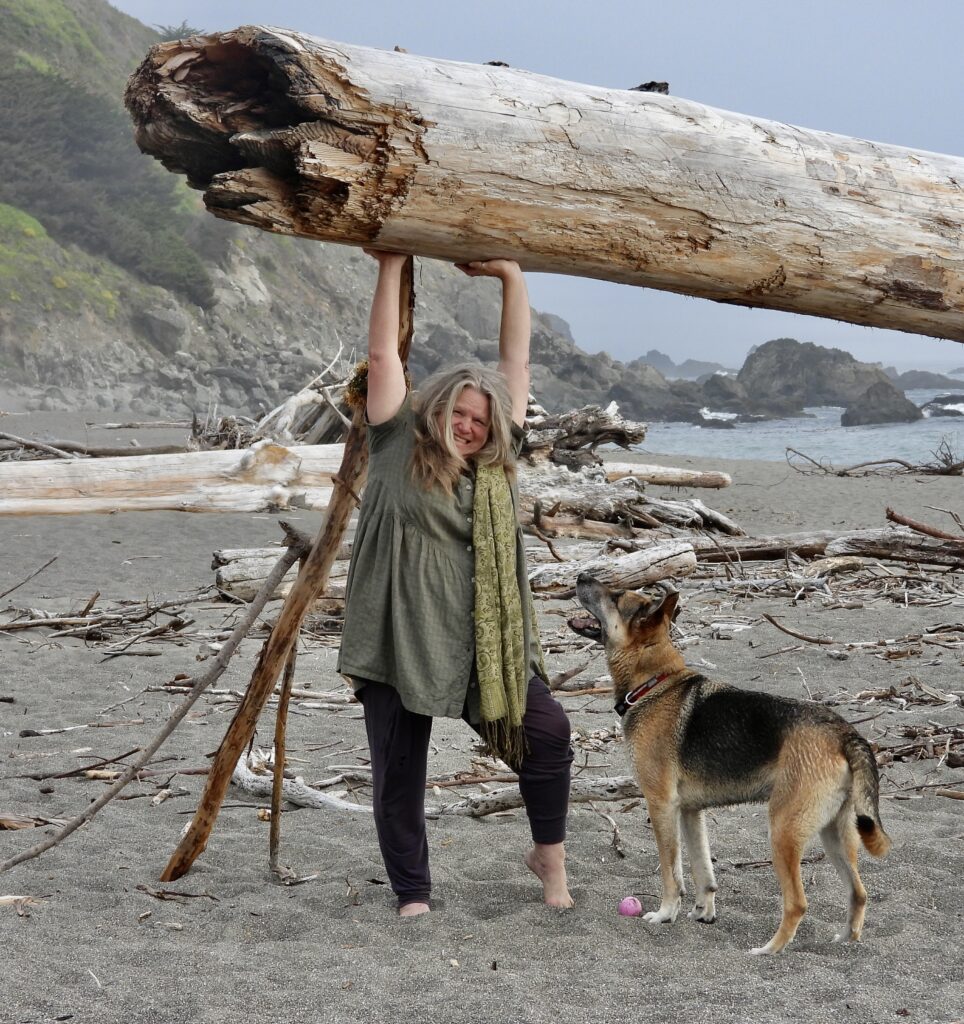
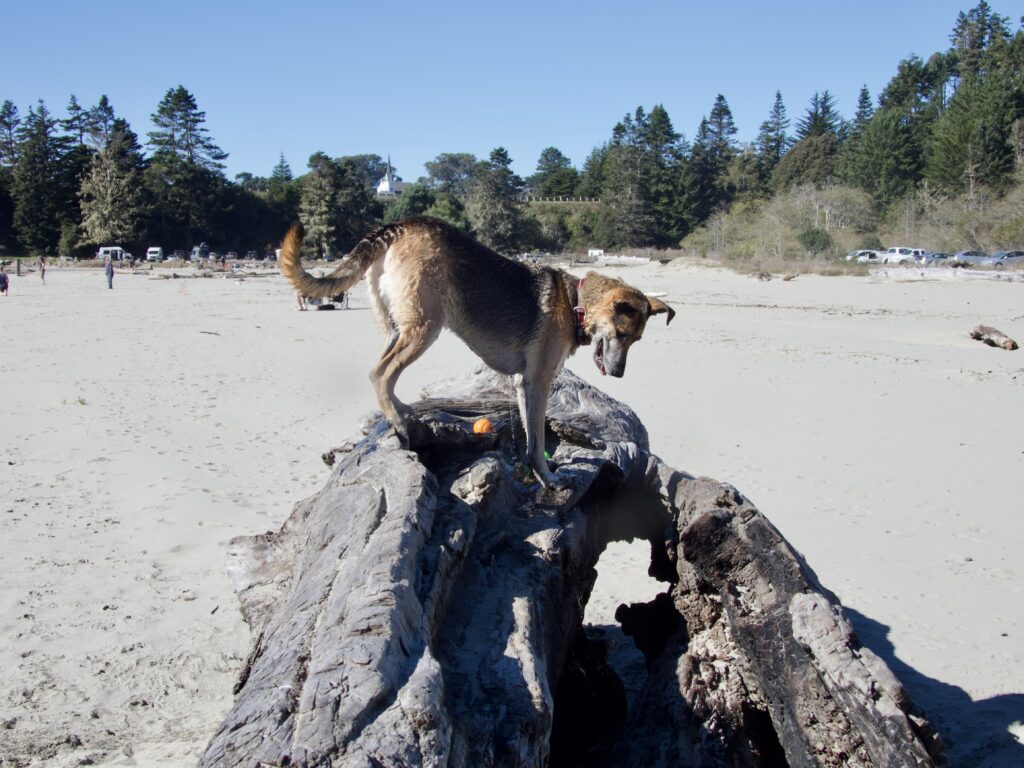
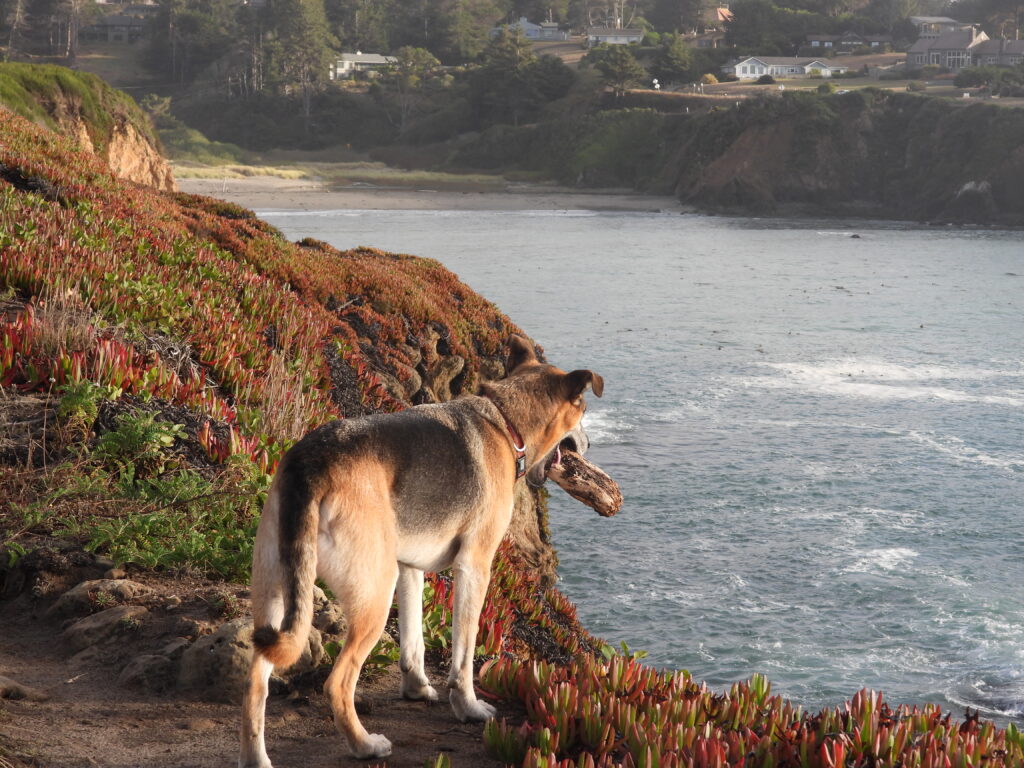
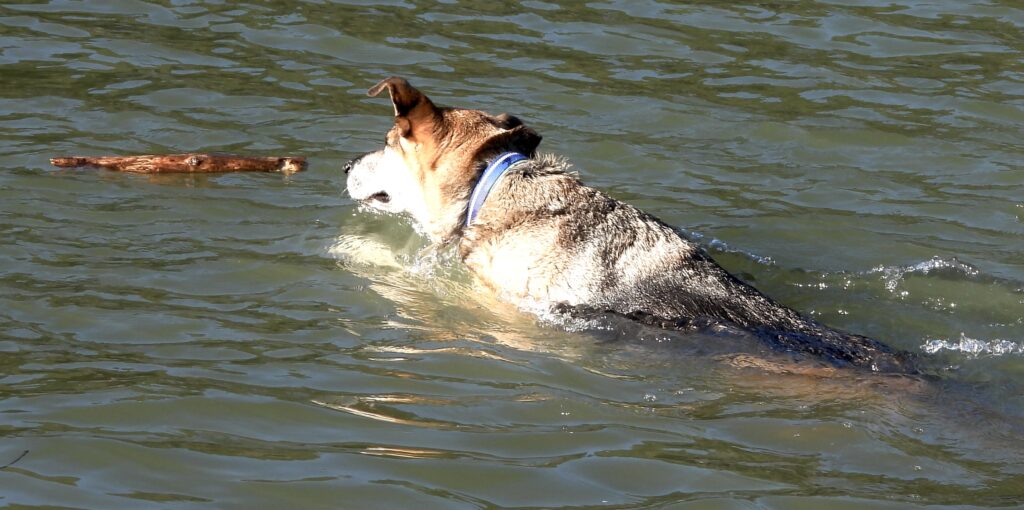
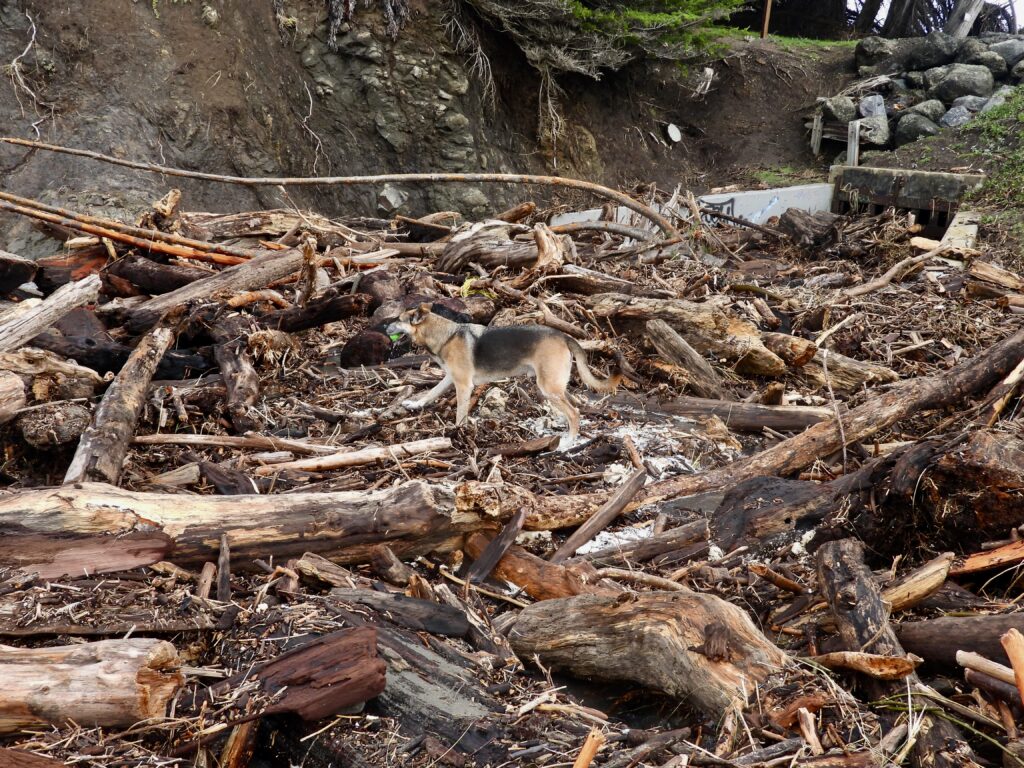
Every time Brutus hits the beach, he selects a piece of driftwood. He’ll sniff and inspect a dozen before settling on the right one. At home, we’ve got a pile of hundreds he’s chosen over the years. Once, a woman insisted it was illegal for him to take a large redwood burl. It wasn’t.
State Parks allows up to 50 pounds of driftwood to be removed, as long as no power tools are used and the wood is taken from open beach areas—not dunes or vegetated zones. Now the City is actively asking people to take some home. (The beach beneath the Noyo River Bridge is a City beach, so different rules apply.) One caution: this 50‑pound policy applies to State Parks in the Mendo–Sonoma sector. Other regions have different regulations, so check local rules before gathering driftwood out of town.
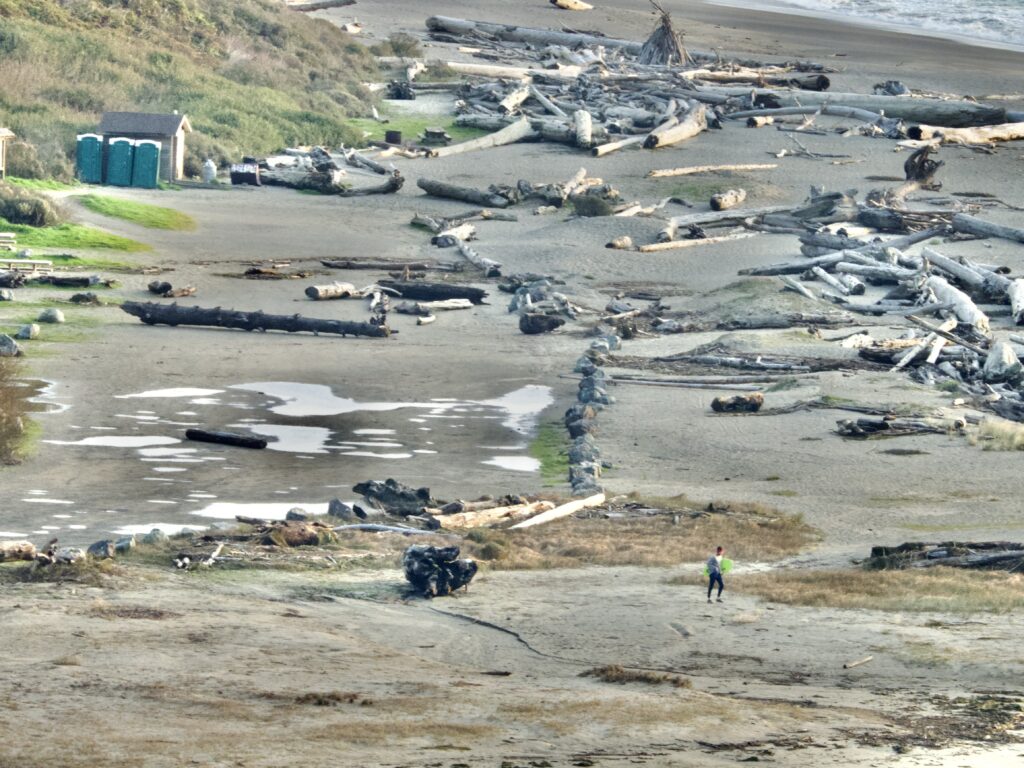
Anyone who has walked a local beach has likely admired the driftwood “art shows” scattered along the tide line, in colors ranging from blinding white to deep purple and black. And most of us have wondered: where does it all come from, and what is it good for?
One thing we advise caution on is taking driftwood home to burn. Once it has spent any time in the ocean, it becomes saturated with sea salt and far less flammable. Burning it can release dioxins, which are hazardous to breathe, and the salt can corrode metal, including stove pipes and chimneys. These issues don’t apply to freshwater driftwood. This article will likely dissuade you from using driftwood as home firewood, though beach fires can be fine if the wood is clearly fresh.
We’ve put together a short natural history of driftwood — from its role in feeding deep‑ocean life, to the way it serves as a raft for tiny organisms that need to travel to the places where they do the most good, to how floating wood helps support tuna and salmon populations. But don’t worry: there’s no shortage. By the time driftwood washes onto local beaches, it has usually completed its useful life at sea.
DRIFTWOOD – THE DEADLIEST FIREWOOD IN THE WORLD | The Stove Yard
Driftwood plays a far larger role in the survival of fish, fisheries, and the Arctic‑based food chain than once understood, according to research published in Nature, one of the world’s most influential scientific journals.
Large driftwood accumulations along arctic coastlines and rivers | Scientific Reports
Where does that driftwood come from? Along the Pacific coasts of Asia and North America, major currents run northward on the western side of the ocean, loop through the Arctic, then sweep back down the California Coast — the same system that keeps our water so cold. But along the Mendocino Coast, the surface flow often runs the opposite direction, as those southerly currents spin into a large whirlpool that curls around Cape Mendocino.
Scientific studies have found there is far less driftwood in the ocean today than before the logging era. The massive timber harvests from 1850 to 1920 stripped California’s forests and sent huge volumes of wood into rivers and out to sea. Most of that material has long since sunk to the seafloor. At sea, driftwood rafts are critical habitat — floating reefs that help sustain tuna and other pelagic fish — and there are fewer of them now. On shore, driftwood helps protect beaches from losing sand during major storms. During the height of logging, however, the sheer volume of wood entering the ocean shattered natural seawalls and tore apart estuary marshes that had endured for millennia.
Many benthic, or bottom‑dwelling, creatures vital to the marine food chain evolved to catch rides on driftwood. These logs function as literal transport vessels, carrying millions of tiny organisms to new habitats. Driftwood is also essential to deep‑ocean life, supplying nutrients from the wood itself and from the barnacles, worms, and crustaceans that colonize it along the way. These logs have true second acts. And if you take a piece home, it’s likely to be as alive with bacteria, fungi, and tiny crustaceans as any plant from the nursery.
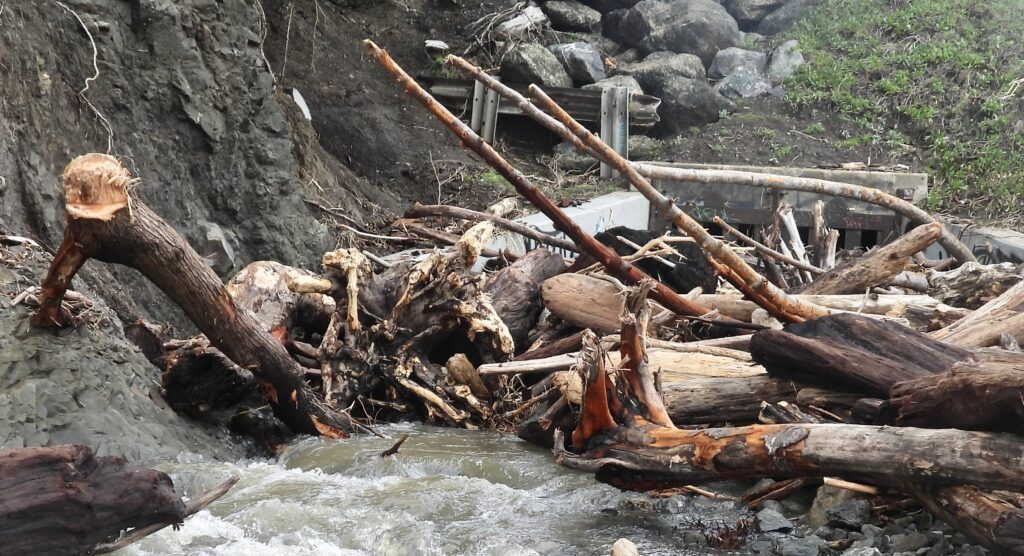
Driftwood can block rivers and cause flooding, but those blockages can also shape whole ecosystems. One driftwood raft once dammed an arm of the Mississippi River for thousands of years — and when humans finally removed it, the loss harmed both people and wildlife.
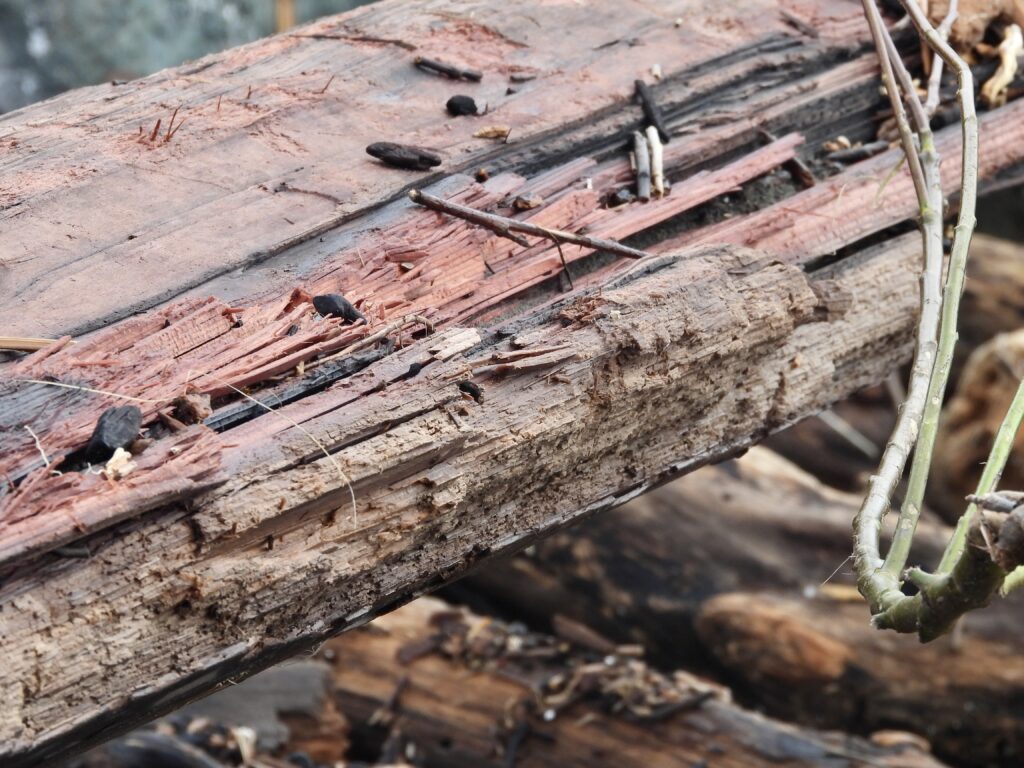
ncluding this timber from an old ship.
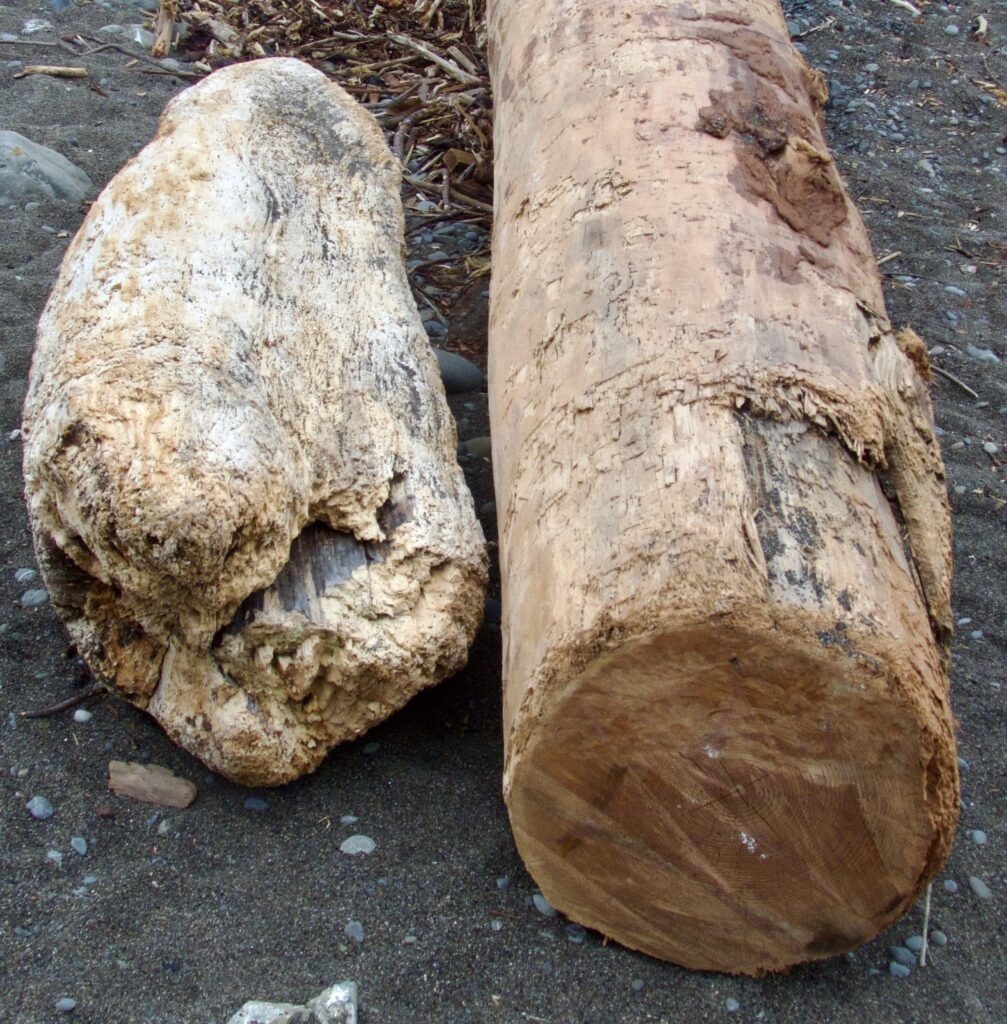
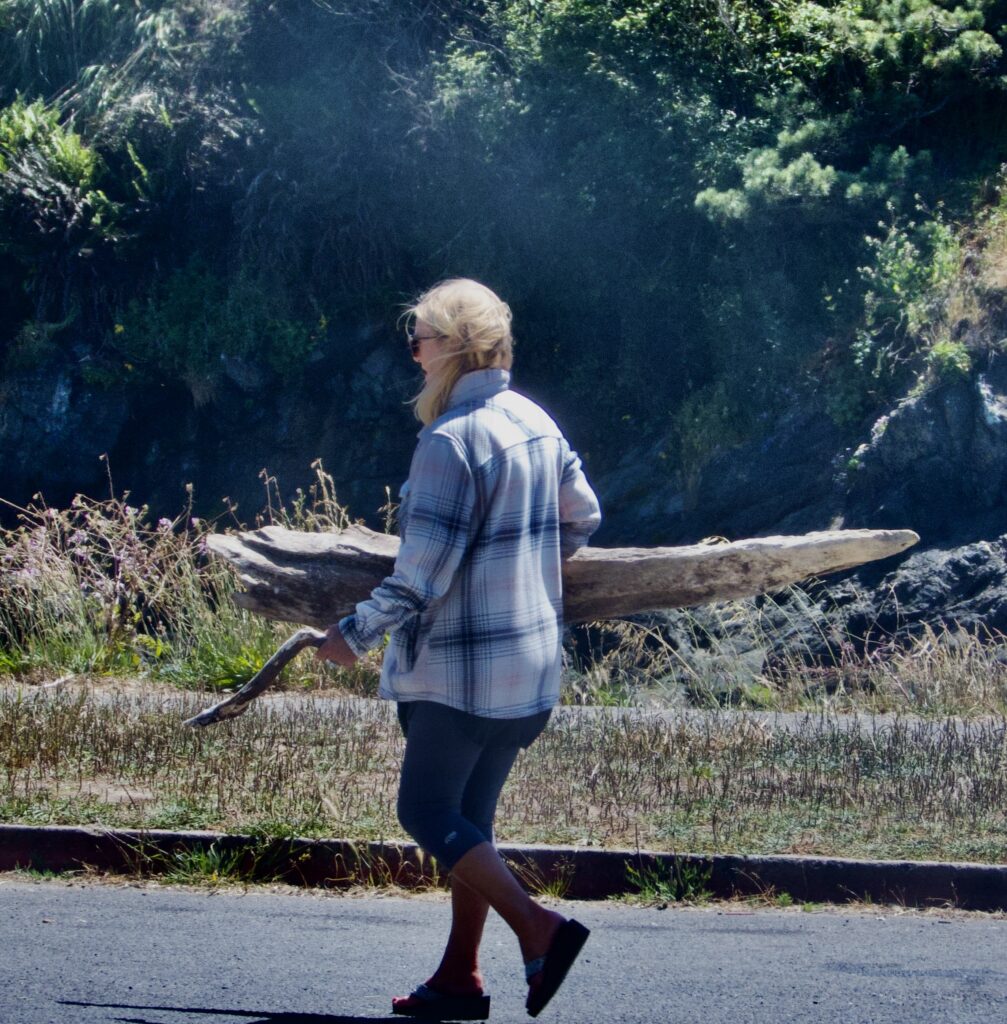
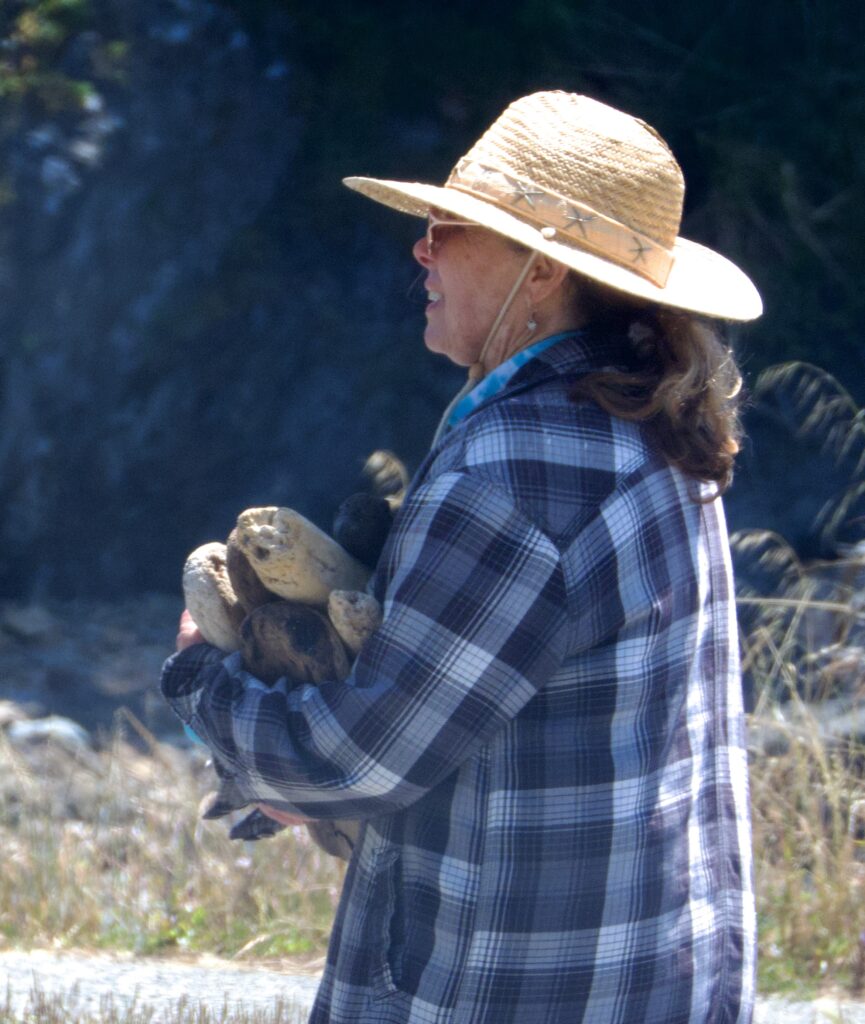
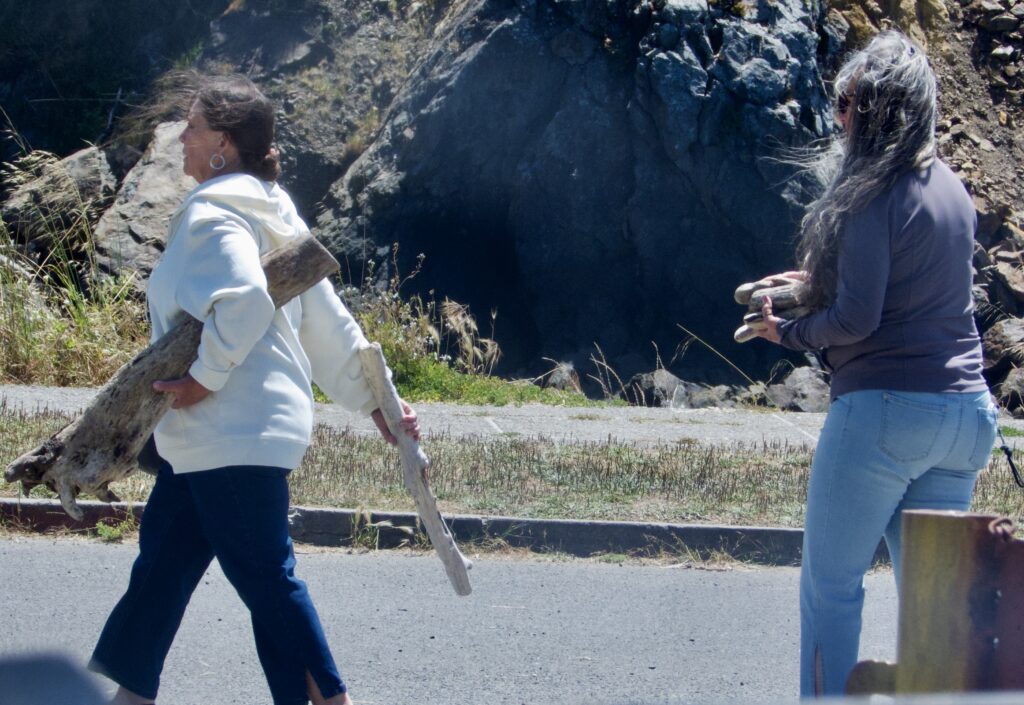
Driftwood is beautiful and artistically inspiring and you can take some home. Power tools are NEVER permitted, and vehicles are NEVER allowed on the beach for collecting wood — if you want it, you’ll have to do the work and carry it out yourself.
May 28, 2026; Fort Bragg, CA– In preparation for this year’s Fireworks event, the City is authorizing individuals to hand remove driftwood washed ashore at Noyo Beach.
Beach wood removal will be allowed between May 28, 2026 and June 30, 2026 by persons who abide by the following conditions:
•Wood removal from the beach may take place during daylight hours.
•Persons removing wood shall follow all park rules displayed on beach property signage at all times.
•Persons removing wood shall be respectful and cautious of all citizens on the Noyo Beach and shall use safe work practices at all times, especially near citizens and pets.
•Persons removing wood shall do a site cleanup at the end of each day to ensure that any litter or debris gets removed from the site.
•This notice does not permit any closures of the beach or give persons removing wood any more right to any area of the beach or trails than other citizens using the beach and trails.
•No person shall drive any motorized vehicle beyond the limits of the paved parking areas regularly accessible by private vehicles.
In California State Parks
In Mendocino County driftwood can be collected for personal (non-commercial) use, but one must adhere to strict limits:
- Up to 50 pounds plus one additional piece of driftwood per day.
- NO power tools, chainsaws, or motorized vehicles to collect the wood.
- Collection is strictly prohibited in dunes or vegetated areas; it must be gathered from the open sand or waveslope
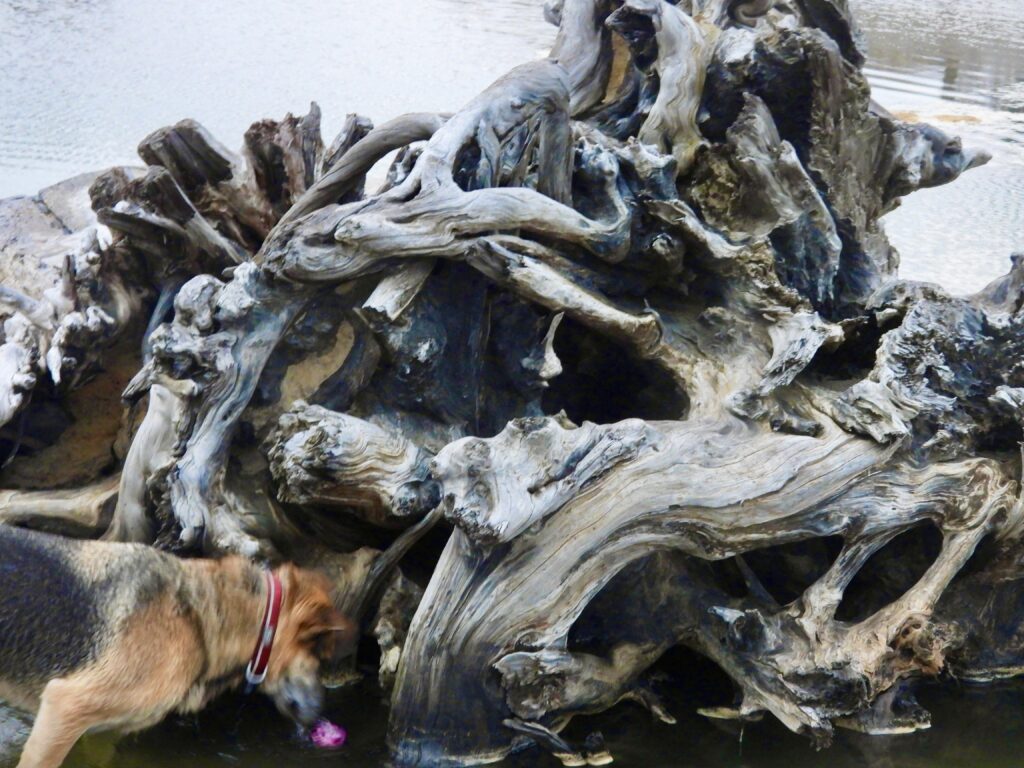
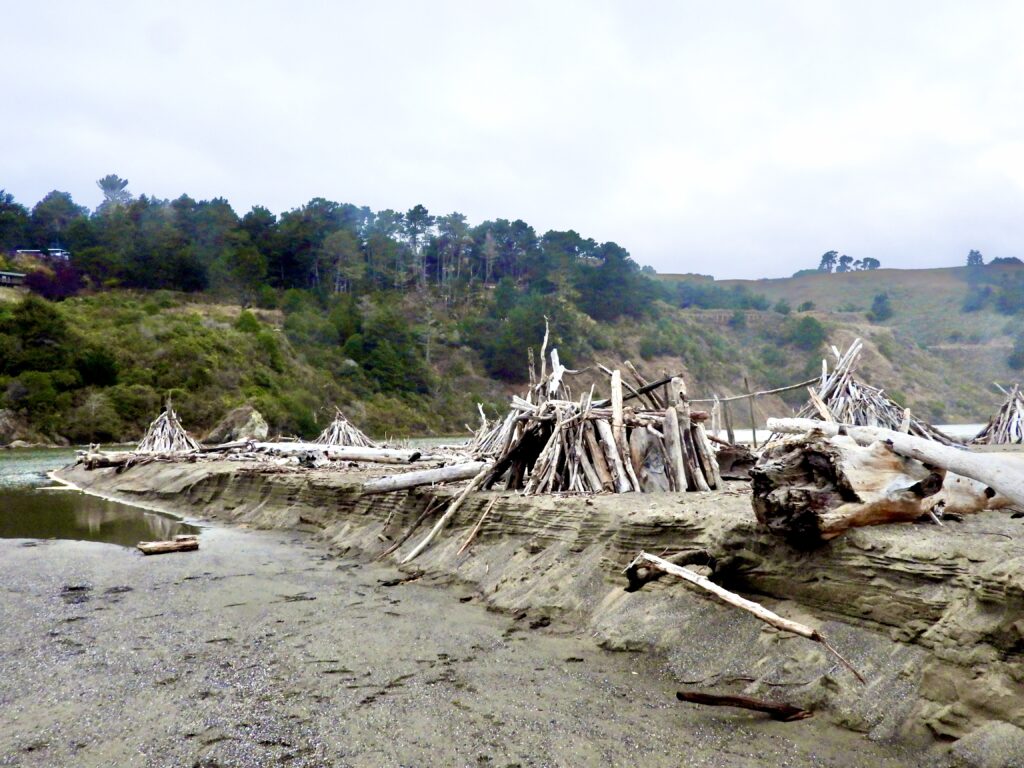
Driftwood has inspired artists, crafters, and storytellers for centuries. There are hundreds of books about making things from it, and even whole shelves of novels with “driftwood” in the title. If you find any that are actually about driftwood science, we’d love to read them.
Driftwood becomes driftwood the moment it falls into a river, not when it reaches the sea. But once it enters the ocean, it joins a lineage far older than any of us — a lineage that has carried stories, cultures, and whole ways of life. In the Arctic, where trees are almost nonexistent, driftwood was life‑giving. In Norse mythology, Odin carved the first humans from driftwood. Across the Pacific, it has been a traveling companion, a building material, a fire starter, a tool, a talisman.
Driftwood inspires many creations but is also a creator. Piles of driftwood cause sand to stop blowing and bury the driftwood. Plants then seize the suddenly stationary sand and the process of a sand dune is underway. More piles on top of more.
Probably the most famous piece of driftwood is in Crater Lake in Oregon A 450 year old mountain hemlock tree fell into Crater Lake in 1896. Its still there with very little change to it due to the cold water and tours are offered to see the Old Man of the Lake.
And here on the Mendocino Coast, driftwood delights, still doing what it has always done: arriving from faraway places, carrying tiny lives, shaping beaches, feeding ecosystems, and sparking human imagination.
We’d love to see what it sparks for you. Send us your photos of driftwood — the pieces you’ve found, the ones your dogs have chosen, the art or furniture or small wonders you’ve made from it.
We’ll add them to this story.
Photos can be sent to frankhartzell@gmail.com
“Sometimes when I think of life, I feel like a piece of driftwood washed up on shore.”
— Haruki Murakami, What I Talk About When I Talk About Running