Paul Katzeff Resigns, Ending Tenure on Mendocino Coast Hospital Board
Paul Katzeff Resigns from Mendocino Coast Hospital Board
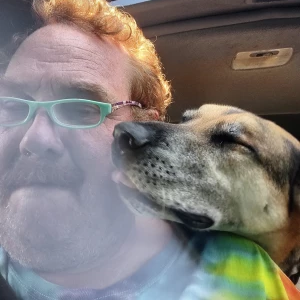
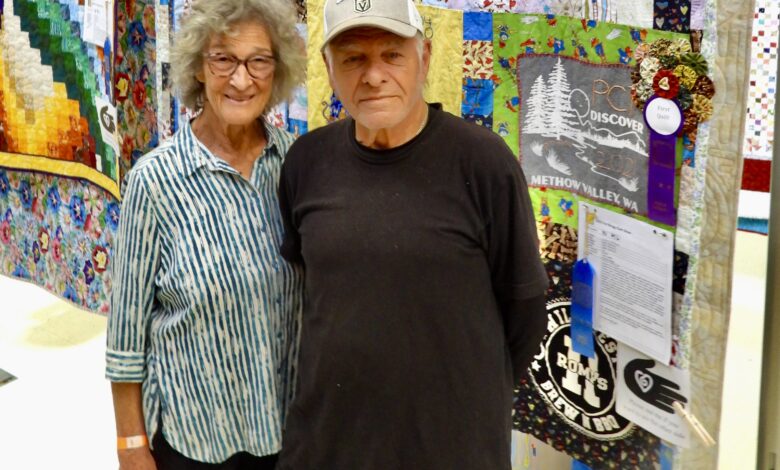
Paul Katzeff, co-founder of Thanksgiving Coffee Company and one of Fort Bragg’s most influential business and civic figures, has resigned from the Mendocino Coast Hospital District Board. Katzeff announced his departure Sunday morning via the MCN listserve, just months after winning election to the seat.
His exit leaves the board with four members: Chair Paul Garza, Jan McGourty, Susan Savage, and Lynn Finley.
Statement from Paul Katzeff:
My friends,
Last Thursday I informed the County and the District of my resignation from the Board .
Effective Sept 24th.
I apologize for not giving you advanced notice .
I gave no reason and sent no lengthy essay to the rest of the Board.
I will however begin a speaking tour titled :
“Why I resigned from the Mendocino Health Care Distrrict Board”
Just FYI: I no longer feel able to continue the work of building community health. The other four Board Members have, in my view, been entirely captured by Adventist Health and the fear of losing the hospital. That fear has left no room—mentally or emotionally—for considering health on a broader, community level.
Efforts to build a healthier community for the long haul have been sidelined. The Board is locked into one immediate goal: Save the hospital!—with little room for broader vision.
I can not support such short sightedness to the exclusion of so much more.
So I resigned ,
900 days is enough
Lots of places to help as a Volunteer now open up for me.
Paul
The Mendocino Coast Hospital District was created in the 1960s by local residents to ensure hospital services from south of Elk to Westport. From 1971 to 2019, the district operated the hospital directly—until management was handed off to Adventist Health, which now runs the facility as Adventist Health Mendocino Coast.
In recent years, the board faced serious financial and organizational turmoil. A new board, led by Chair Paul Garza, has since brought order to what many viewed as “ridiculous money mysteries.” But while the books may be balanced, the board now defines its role narrowly—as a “landlord” overseeing the property.
Meanwhile, others—including Mendocinocoast.news—are calling for more transparency, stronger communication, and real leadership to guide the hospital’s future, not just maintain its lease.
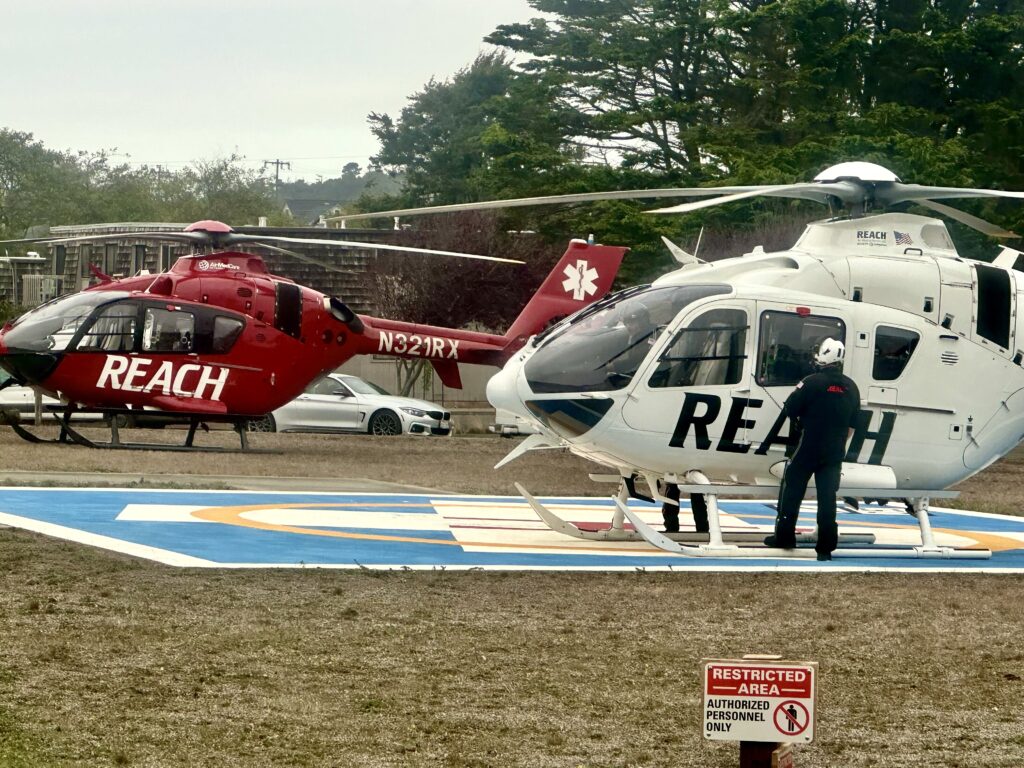
The system for stabilizing patients and flying them to top specialty hospitals is running smoother than ever. The Reach crews? Regular community heroes. These professionals work relentlessly and take real risks for us.
So yes—we’re willing to stick our necks out and step on a few toes to ensure this continues. And you, the public, need to start paying attention to the hospital board. Your future health may depend on it.
The board is making plans for the hospital’s future—but with little to no public input in what’s supposed to be a public process. That’s deeply alarming.
Paul Katzeff has expressed a broader vision for community health—one that the current board has not embraced. Outvoted 4–1, his call for a more expansive role was sidelined.
We don’t believe the board is “captivated” by Adventist Health. Rather, it’s stuck in a narrow self-definition as mere “landlord”—a stance that runs counter to the hospital’s founding mission and the taxes we continue to pay. The board should spend far more time listening to the community and conveying that input to Adventist. It should serve as the public face of the hospital, which requires a close, communicative relationship with Adventist Health.
Adventist owns the hospital in Ukiah and maintains a far more transparent and collaborative relationship with the nonprofit that owns the Willits hospital. Here on the Coast, we pay substantial taxes that help keep our small hospital afloat. That investment deserves representation.
More on this in future articles. We know the board members to be dedicated community volunteers—and we want to help them awaken a public that’s been shamefully asleep on the issues shaping our future. Perhaps it’s time to look beyond the Skunk Train. The City has shown it knows how to engage the public in a post-newspaper world. The hospital board should take notes.