Why to stay away from the north end of Noyo Beach! Enjoy our photo story on Noyo Harbor’s treats and eats- plus pause in local crime? and the beat cop from the Haight in trouble-rate our daily log format!


We are trying a new approach, writing a daily log and focusing on a main news issue that we think will be worth your time. This one starts in Noyo Harbor with some interesting tidbits and treats and goes to the crime log and a civil court case. We get alerts on civil court cases from our area and were surprised that the SF media missed much of this story, so we share it at the end.
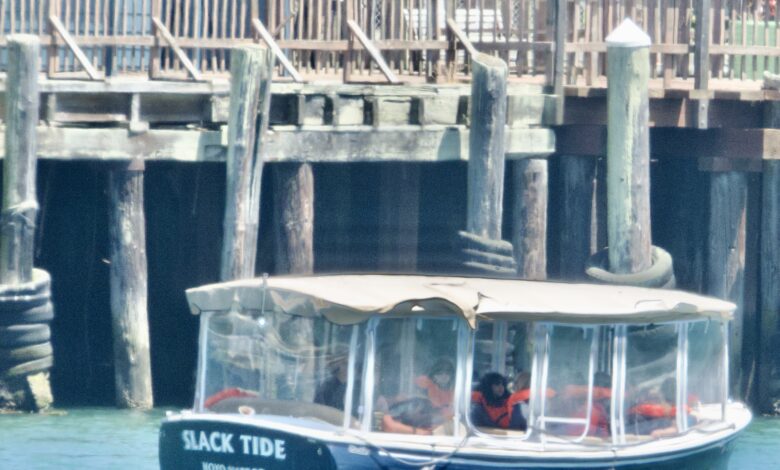
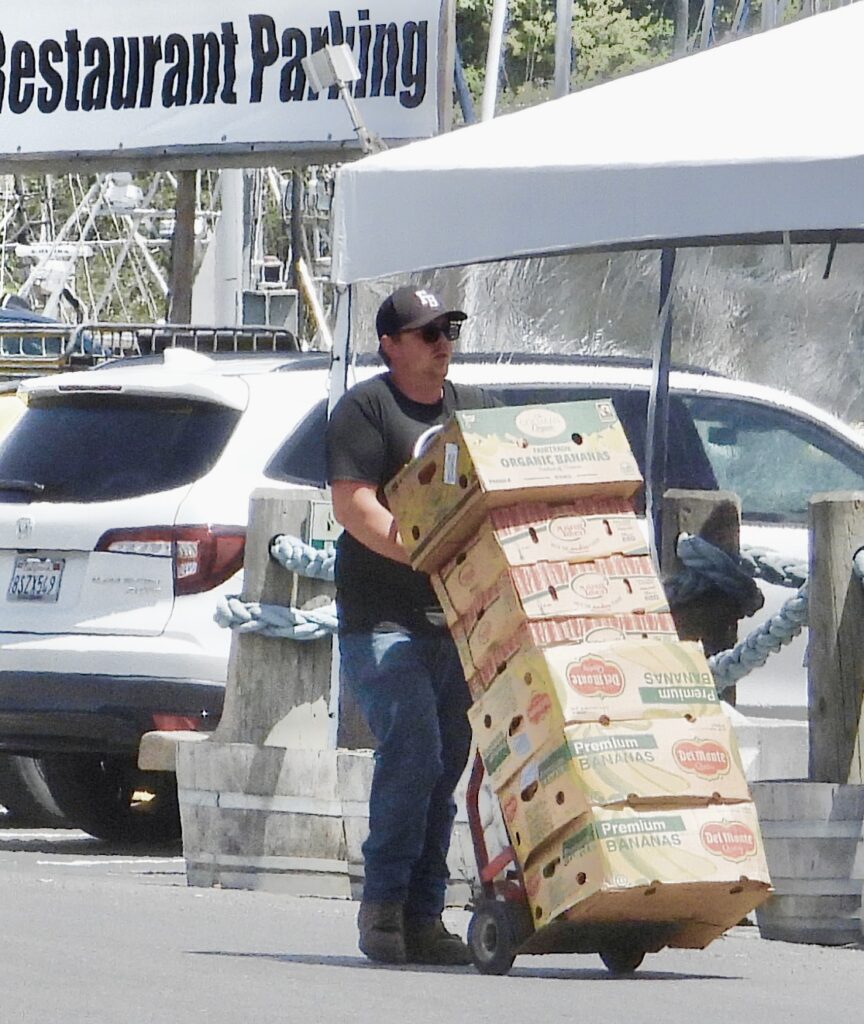
Let’s start in Noyo Harbor and visit Princess Seafood and Schnaubelt Distillery. These innovators have made the harbor more fun than its been for a long while.
But we come every day for Noyo Beach.
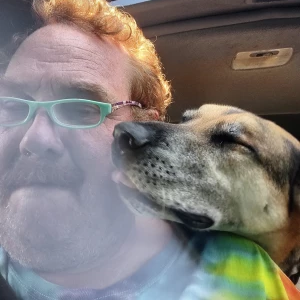
Noyo Beach is one of only two off-leash dog beaches around here. Caesar and Brutus love to swim and meet their regular playfriends. On Saturday, dog friend Guillermo warned us about a sign at the north end of Noyo Beach that meant no dogs there.
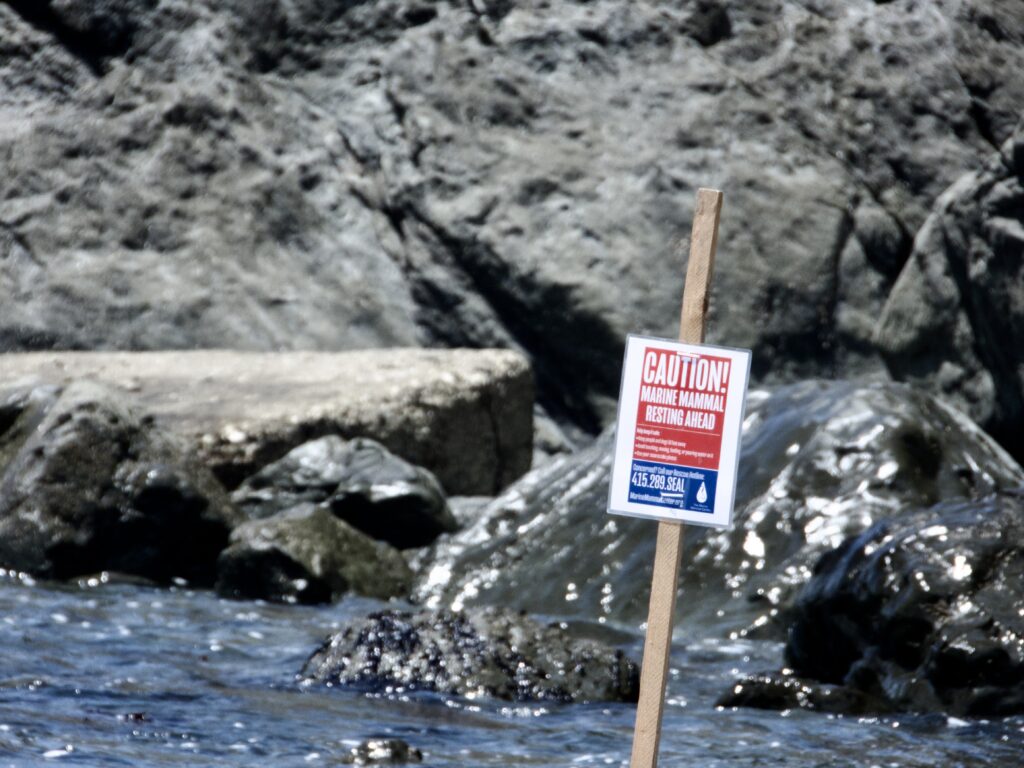
He had to go all the way to the end to read what it said- marine mammal resting nearby, dogs and it asked that people please stay away. Last week we saw an enormous river otter hiding in the pampas grass on the hillside right at this spot. That otter was extraordinary but I didnt get any photos because I took all my energy to drag Caesar away from wanting to play with the otter.
The otter came out, looked at us, then returned to the pampas.
The signs like the one seen here are used when a seal is parking its pup on the beach. Harbor seals give birth from April to August. Right now is a peak time for seal pups to be left on the beach while mom goes fishing If she comes back and there are a crowd of humans or dogs or both, they may actually abandon the little ones and they die this way.
We went back Sunday and there was no sign but we will be staying away from that area. Enjoy the photo story below and then, after that, we give you the tales of civil and criminal court. And please tell us if you like the new format.


There were more thrills to be had. My work is over Sunday so Monday we are definitely trying some of the delicious items from the Princess Seafood Market. Our favorite drink now is Schnaubelt Lemon Drop canned drinks. Once a week, we put two of them in the freezer and have them iced in a goblet. You have to try it.









And then the day ended.

Ukiah woman jailed for domestic violence- only two arrests made on eerily quiet Friday night
Some nights are just peaceful in Mendocino County. There seemed to be little police activity or even many people getting sick or injured. There were only two people booked into the jail, which is a pleasingly low number. One was Lesley Coronatellez of Ukiah, 29. She has not appeared on any police blotters in the past except for a traffic infraction, but was arrested by Ukiah Police on felony domestic violence charges for domestic violence against a spouse/cohabitant. We try to report on domestic violence and other such felony charges when they are filed. We are thinking of creating a daily news journal like this. What do you think? The only other jail booking was in Ukiah too, a 39-year-old man arrested by the CHP for disorderly conduct while intoxicated. We don’t normally name people for those charges.

Famed SF policeman loses immunity in civil suit brought by man who spent 32 years in prison for a crime he didn’t commit
Interesting civil court case of the day- top SFPD detectives denied immunity in civil case
A police officer with a distinguished career that included being featured in Joan Didion’s “Slouching toward Bethlehem” faces a lawsuit by a man he helped wrongly convict after he had risen to near the top of the department.
He has been denied immunity from a major civil suit. Very rarely do police lose this protection.
Immunity for police is something we strongly support and supported when BLM supporters suggested it be removed. It is foundational to civilization that police officers be allowed to do their job and not be sued for mistakes or for arresting someone who later turned out to be innocent. Police have to be able to work or nobody would be a cop. Even in cases where gross incompetence has been shown, immunity usually holds. But yesterday, the 9th Circuit Court of Appeals- now a conservative court thanks to Trump appointments said no to two San Francisco Police Inspectors (the top rank of detectives) who coerced testimony against him and fabricated evidence in a murder case against a man who was later exonerated.
Joaquin Ciria was convicted in 1991 for the murder of Felix Bastarrica in San Francisco, based largely on the testimony of George Varela, who was 18 at the time and an accomplice to the actual shooter. Ciria spent 32 years in prison for a crime he didn’t commit, and his innocence didn’t help him until a district attorney for the city-county came along who was actually willing to challenge the law enforcement establishment in the City by the Bay.
The conviction rested primarily on Varela’s statement, which he later recanted, claiming that police investigators threatened him with prosecution and fed him a story implicating Ciria. There was no physical evidence linking Ciria to the crime, and eyewitnesses could not positively identify him. In 2022, after serving thirty-two years, Ciria was exonerated when new evidence and witness statements showed he was factually innocent, and it was revealed that the investigators had used coercive tactics during their interrogation of Varela.
The murder, which the SF Chronicle reported was drug-related, happened in an alley off Market Street. Ciria, now 65, always claimed he did not shoot the victim, who he said was his best friend. He could have been paroled if only he had admitted guilt, but he refused to do so, the SF Chronicle reported.
Following his exoneration, Ciria sued San Francisco Police Inspectors James Crowley and Arthur Gerrans in federal court for fabricating evidence and maliciously causing his prosecution. The SF federal court denied Crowley and Gerrans’s motion for qualified immunity on Ciria’s fabrication-of-evidence and malicious prosecution claims, concluding that a reasonable jury could find the officers had used coercive interrogation tactics and lacked probable cause to charge Ciria.
By a 2-1 vote, the Ninth Circuit affirmed the district court’s denial of qualified immunity. The court held that, viewing the facts in the light most favorable to Ciria, a reasonable jury could find that the officers threatened and coerced a key witness into fabricating evidence against Ciria and that, as of 1990, it was clearly established that such conduct would violate due process rights. The Ninth Circuit also held that the officers were not entitled to qualified immunity on the malicious prosecution claim because, without the coerced statement, it was not reasonably arguable that probable cause existed to charge Ciria. The court’s decision was affirmed.
In America, Democracy means the courts are there to enforce the law and find its limits. Police have a very demanding job and we can understand the desire to solve crimes. The officers no doubt thought they had the right man. But that’s why America is different than places like North Korea. Officer Gerrans was one of SF’s most famous cops, a street walking beat cop in the Haight Ashbury during its “glory days” as the Hippie Mecca. He was the beat cop in Joan Didion’s master work about that era “Slouching Toward Bethlehem.” He was also famous for fighting rampant rape and sexual assault in the Haight, one of the hidden dark sides of a romanticized time that also had more than its share of creativity, art, and fun.
The whole case is very sad and a strange set of twists in the evils of drugs, crime and maybe even the Peter Principle .We feel for him as well as the man who did all that hard time for a crime he didnt committ.
We don’t know if the officer is still alive or not, but we presume so or he would not be named in a suit. Another well-earned right of police is that you can’t background search them legally like you can the rest of us. A third officer was removed from the case by the lower court.