Your Monday Paper 7/20/26, Willits Senior Housing project sells for $10.8 million + PGE starts Gowan fire, volunteers stop it quick + Stop that sticker sticking!
WILLITS SENIOR HOUSING COMPLEX REDWOOD MEADOWS SELLS FOR $10.8 MILLION
REDWOOD MEADOWS SALE — Will the sale of Redwood Meadows Senior Apartments mean higher rents? We’re looking into that with help from Willits Senior Center Executive Director Richard Baker. We told Baker the property had sold after picking up the transfer in county records, and we’ll be doing a deeper dive. Baker said the owners have been trying to sell for years, with one deal falling out of escrow and another evaporating. He thought this one might finally be real when he saw the (now former) owners fixing up long‑problematic sidewalks. To him, those sidewalks have been a serious tripping hazard for seniors, but in the past the owners simply marked them with warning signs and yellow paint. Seeing the repairs underway, Baker surmised — apparently correctly — that the work was being done as a condition of sale. Redwood Meadows is the largest and most important senior housing complex in Willits, sitting directly adjacent to the Senior Center.
REDWOOD MEADOWS BACKSTORY — Two firms, Dave‑Heritage House Associates and Senior Housing Associates XVI, sold the senior‑housing complex next to the Willits Senior Center for $10.8 million. The deal closed June 18 and was recorded last week. The property, at 1475 Baechtel Road, was heralded in 1988 as a first‑of‑its‑kind senior community — neither high‑priced private and gated nor strictly low‑income. Rents at opening started at $318 per month. About 140 people live there today, with residency restricted to those over age 55. Redwood Meadows largely met the original vision: a mixed‑use senior community with some tenants paying full market rates, others using Section 8, and some receiving partial subsidies.
WHO SOLD, WHO BOUGHT — Theodore Caldwell of TCC Properties — the general partner for both Dave‑Heritage House Associates and Senior Housing Associates XVI — signed the deal on behalf of the sellers. The buyer is Echelon Properties LLC. The sellers purchased Redwood Meadows for $3.1 million in 2021. Caldwell and his partners own senior‑housing complexes in Chico, Gridley, Visalia, Fresno, Truckee, Chicago and Idaho, with most of their portfolio clustered in Woodland.
ECHELON RESIDENTIAL — Echelon Residential, the buyer, is based in St. Helena. We’ll be digging deeper into who they are, how they operate, and what their ownership might mean for Redwood Meadows. We’ll also be talking with residents and others connected to the complex as we continue reporting this story.
PG&E CREW STARTS SCARY FIRE WITH DROPPED HOT BOLT
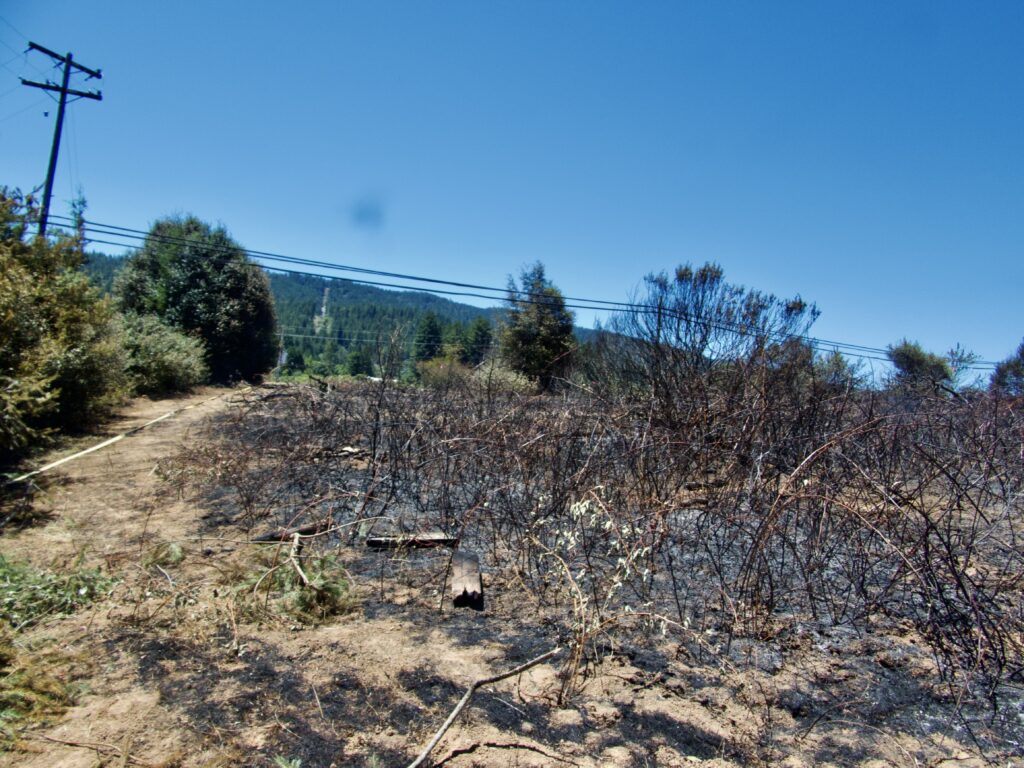
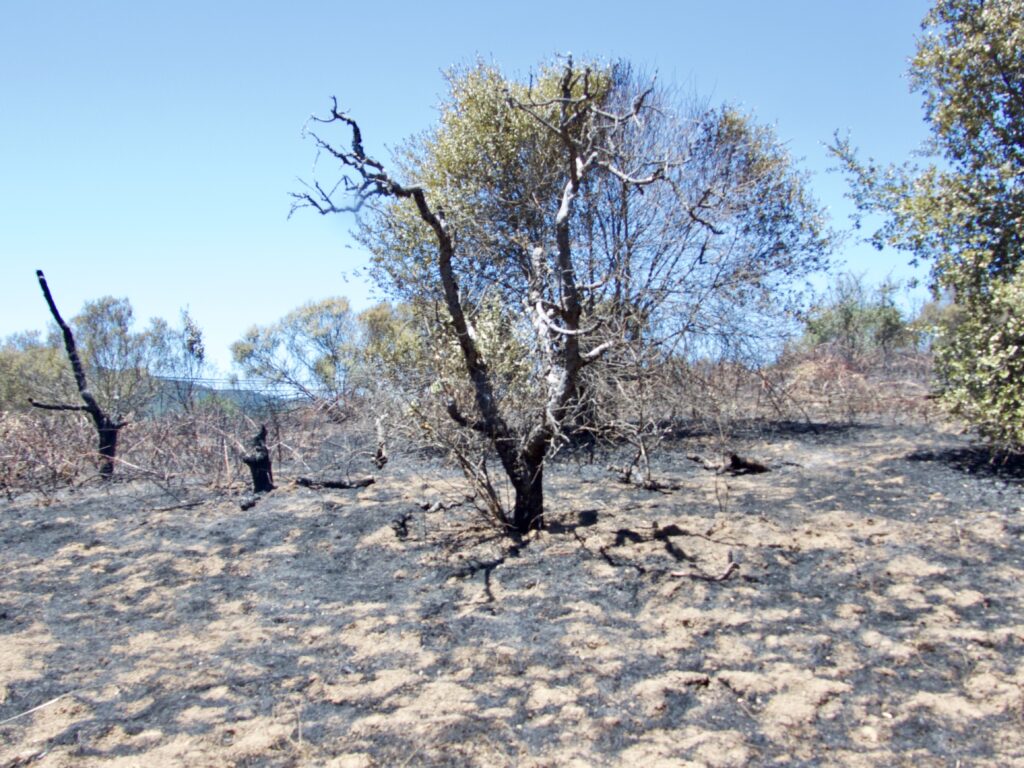
WHERE THE FIRE STARTED — Across from Don Gowan’s farming and cider operation, PG&E crews were cutting a bolt above an old apple orchard that feeds power to an unseen enclave of houses, barns and sheds. A piece of the bolt fell into the grass below, still hot, and the dropped metal sparked a wildfire almost instantly.
HOW FAST IT RAN — “There was no stomping it out. It took off very fast,” said Kim Baxter, secretary for the Anderson Valley Fire Department, who gave MendocinoCoast.news the rundown on the Gowan Fire.
THE WARNING — This should be a warning to everyone, because something this small can start a fire — and not always in a place where crews can get to it quickly. A spark from a weedeater, or a piece of metal flying off a car trailer, can land in the wrong patch of grass and turn into a wildfire before anyone even knows it’s there.
WHY THIS ONE STAYED SMALL — Baxter said one key to the successful operation was timing: it hit late in the afternoon, when winds had finally eased. Even more fortuitously, AVFD had training scheduled for that afternoon and evening and was already on the way to Boonville. The area is huge, with people living far out long country roads — which is a really good thing — but it also means response times can stretch. In this case, everything lined up just right.
THE VOLUNTEERS WHO STOPPED IT — This fire didn’t make big news, but it would have if not for the volunteers who executed a near military‑style operation against the flames. When we stopped by the day after, looking for evidence of how it started and how it was stopped, we asked Don Gowan, whose business sits across the road. Gowan — a former chief and local hero — told us he was retired and that details should come from the current department, especially about the cause. A father‑and‑son volunteer team, both named Soto, got there fast. Gowan came to help. Others followed, and together they stopped this fire before it became something far worse. Nobody seemed eager to brag about it, which we wish they would. This is exactly the time to boast — and use that to warn everyone. In the old newspaper days, we could toot the horns of these heroes when they were being heroes. People need to know and see, and we can help. The Anderson Valley Fire Department is now led by Fire Chief Andres Avila. Years ago, we watched a female paramedic fight off a man and save another man’s life. She wouldn’t let us tell the story. Saw her again yesterday, still showing up, and we couldn’t help thinking — that save was the kind of thing that should have gone national and lived forever with your name on it. (She may not be reading, but we figured we’d try.)
THE REAL WORK VS THE APPS — People need to know the sweat, fear and brains that go into firefighting. But everything now is AI. AI this, AI that. You’d think Watch Duty was out there fighting the flames from all the hoopla over that and every other robot. Firefighters? Who needs them — we have Watch Duty! The media no longer goes to the scene of fires the way we always used to, and that was mostly before wildfires became so terrifying. Now it’s all the Watch Duty version. Watch Duty and similar apps help us know where fires are and when they start, but let’s not pretend they help stop them.
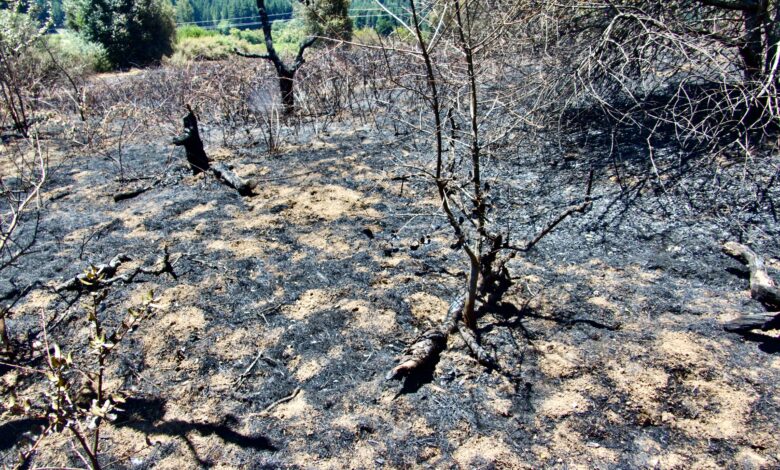
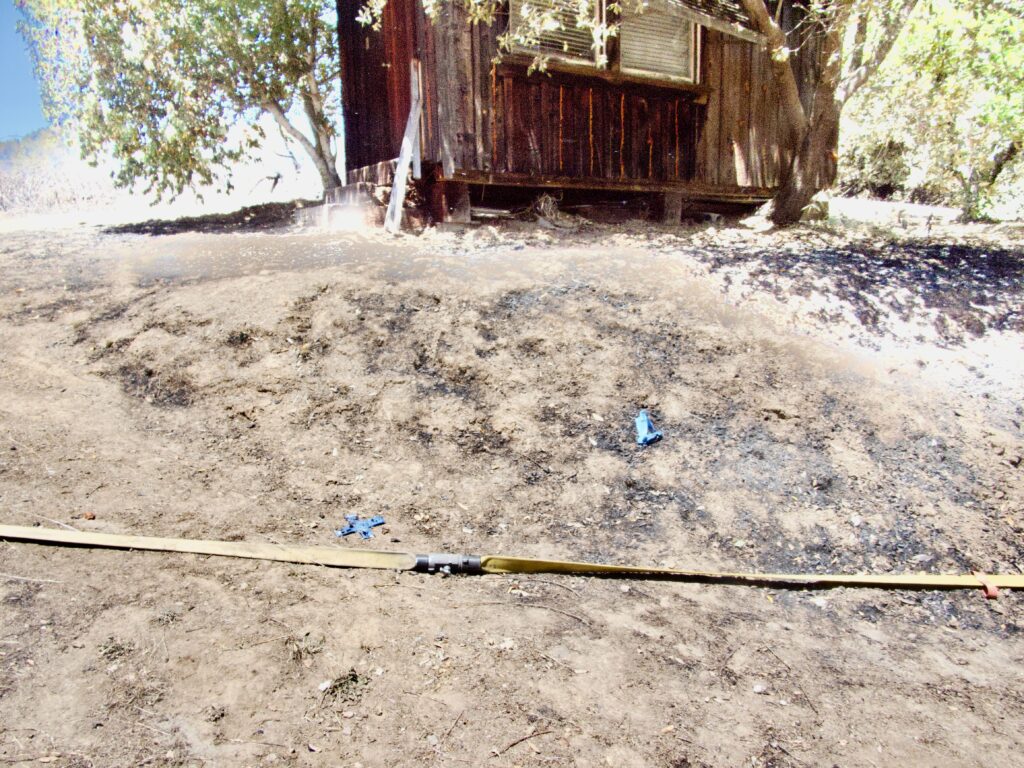
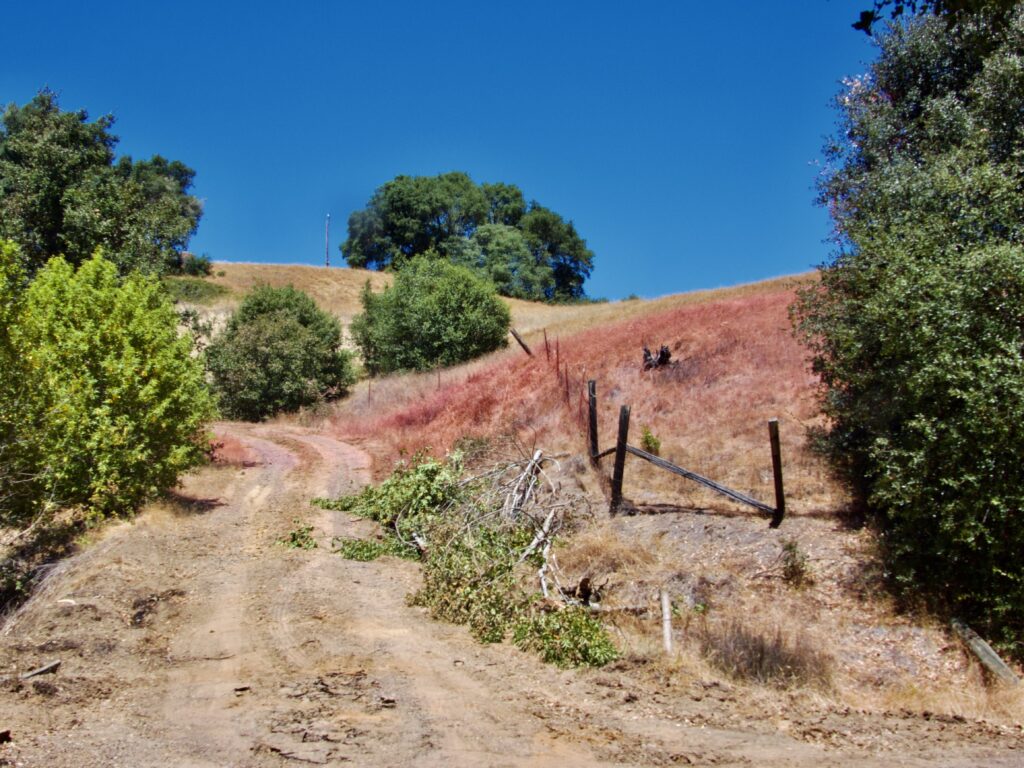
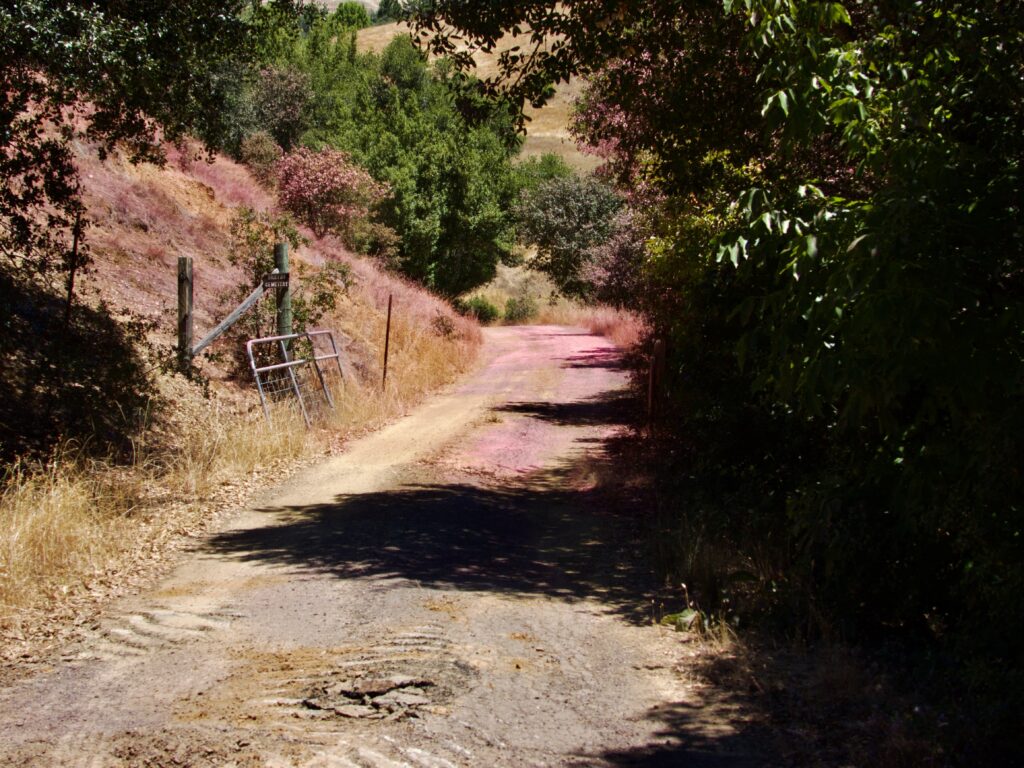
WHAT REALLY HAPPENED OUT THERE — Frank fought wildfires as a seasonal in the 1980s and has seen hundreds more as a reporter. But it didn’t take field experience to see that volunteers saved a lot of buildings — and possibly lives — by stopping a hot fire and surrounding it like Stalin’s Red Army putting the pinchers on Nazi troops in World War II. When we went back the next day, hoses were still on the ground, laid on cleared soil so the advancing fire wouldn’t burn them. A partly charred but completely saved shed — someone’s bedroom, by the look of it — stood as proof of how close this came. They battled the fire about ten feet inside the road or driveway that runs across Highway 128 from the place where Don Gowan’s business sells alcoholic ciders (not the Gowan’s Oak Tree fruit stand, which is operated by someone else). That road was clearly a backup firebreak, and the fire came down the hill and was stopped right there. A frosting of fire retardant still clings to nearby buildings and brush, showing where volunteer firefighters sprayed to keep the flames off structures.
Watch Duty told everyone a fire had been reported, spread to one acre, and then was “contained.” All good to know — but ho hum. There was nothing ho hum about this. They saved property and possibly lives. And yet the media of today has become totally arms‑length with human beings. Unlike the newspaper days, reporters now work from Google searches and AI feeds and rarely talk to people or poke into the human drama that actually decides whether a fire becomes a headline or a tragedy.
xxxxxxxxxxxxxxxxxxxx
Sadly, everything moves so fast now that almost nobody will wait for the human story. The other media moved on as all of usually do, at the moment Watch Duty told us it was “contained.” We are missing out on much by being in a hurry.
xxxxxxxxxxxx
WHY A REAL SOURCE MATTERS — There has to be a single, moderated source of fire information with strong editors. It can’t happen under the current dynamic — too many feeds, too much noise, too little on‑the‑ground reporting — but it has to happen, and we think it will. Send us your ideas.

WELCOME TO THE END. POPULATION: US.
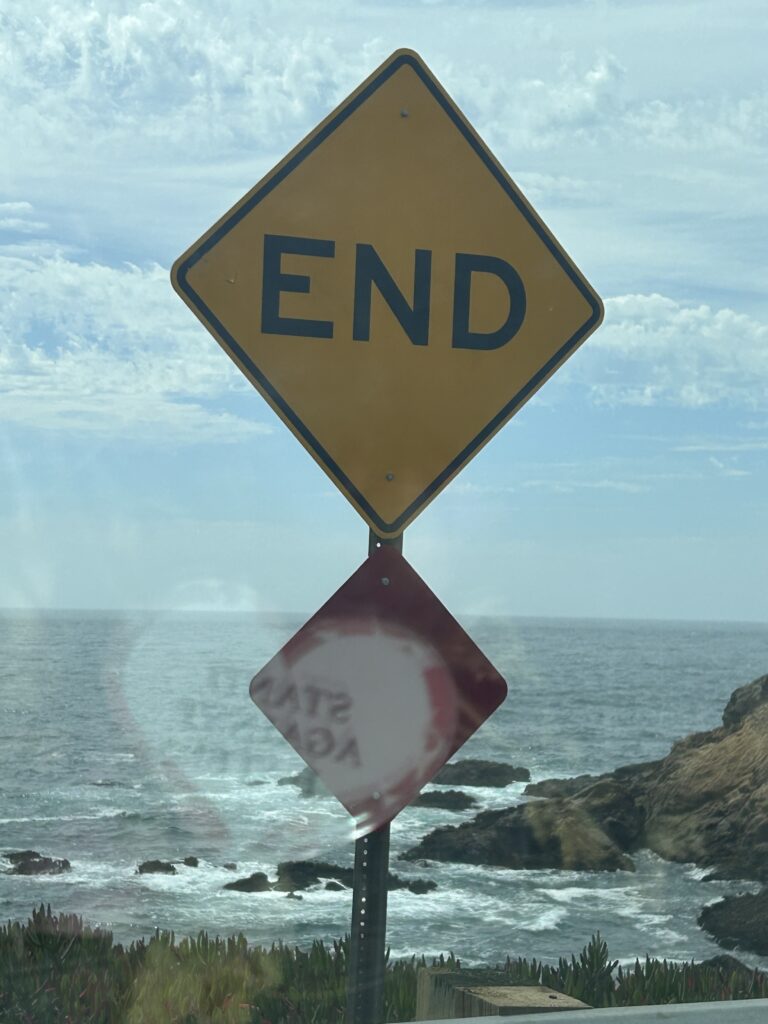
OCEAN VIEW DRIVE — Straight down Ocean View Drive, past Mendocino College, the pavement runs out at the cliff’s edge where the ocean takes over. For years it’s been a family‑and‑friends photo stop — a small tradition built around a single word on the sign behind the guardrail: END.
THE DESTRUCTIVE FAD — Over the last several seasons, the sign disappeared under layers of stickers. Half‑stuck, sun‑bleached, ripped, stacked on top of each other — a collage of passing opinions that turned a simple marker into a patchwork of sticky graffiti. It’s become a destructive fad in many places, this urge to leave something behind on public property, even if it means covering what was already there.
The stickers on roadsigns fad is nationwide and one of the dumbest fads in history. Sadly, it’s what passes as civic disobedience now, rather than speaking out about important issues.
The stickers‑on‑roadsigns fad is nationwide and one of the dumbest fads in history — a destructive little habit that passes for civic disobedience now, a “look at me, I was here” gesture instead of speaking out about anything that actually matters. Today, the sign is clean again. Fresh, readable, and back to saying what it always said — a quiet reminder of how our town can feel like the edge of the world. We hope it stays that way, unburdened by stickers, at least for a while.
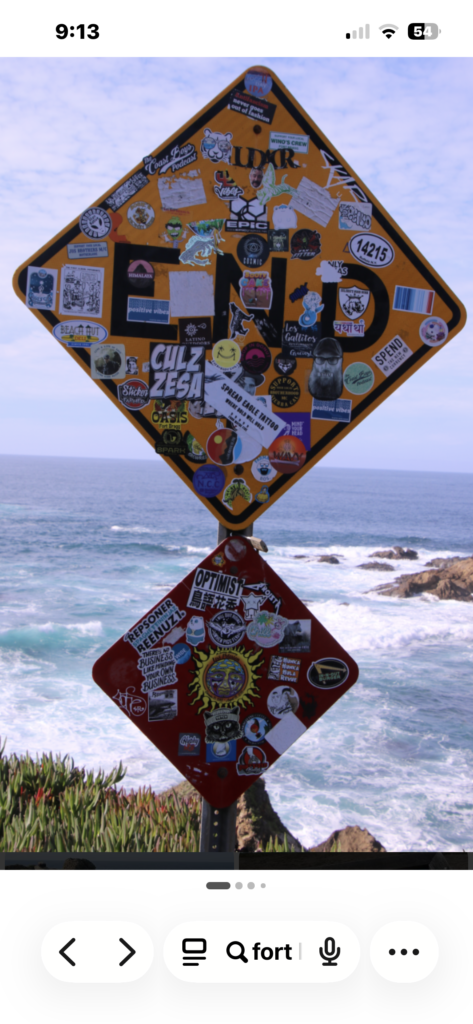
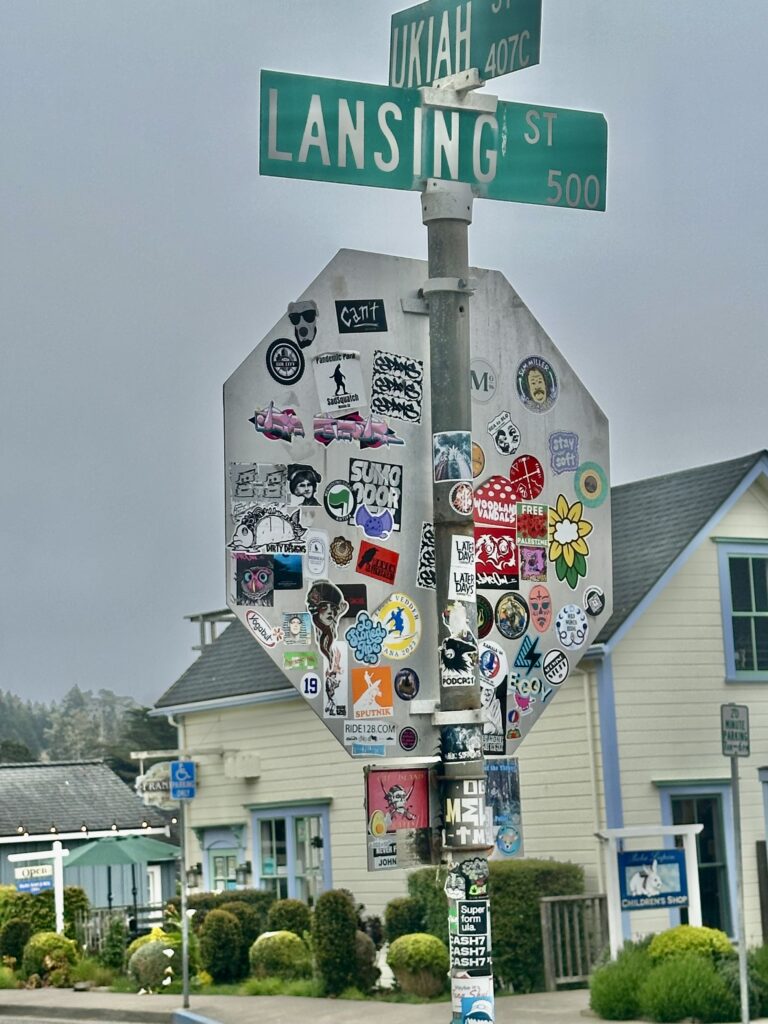
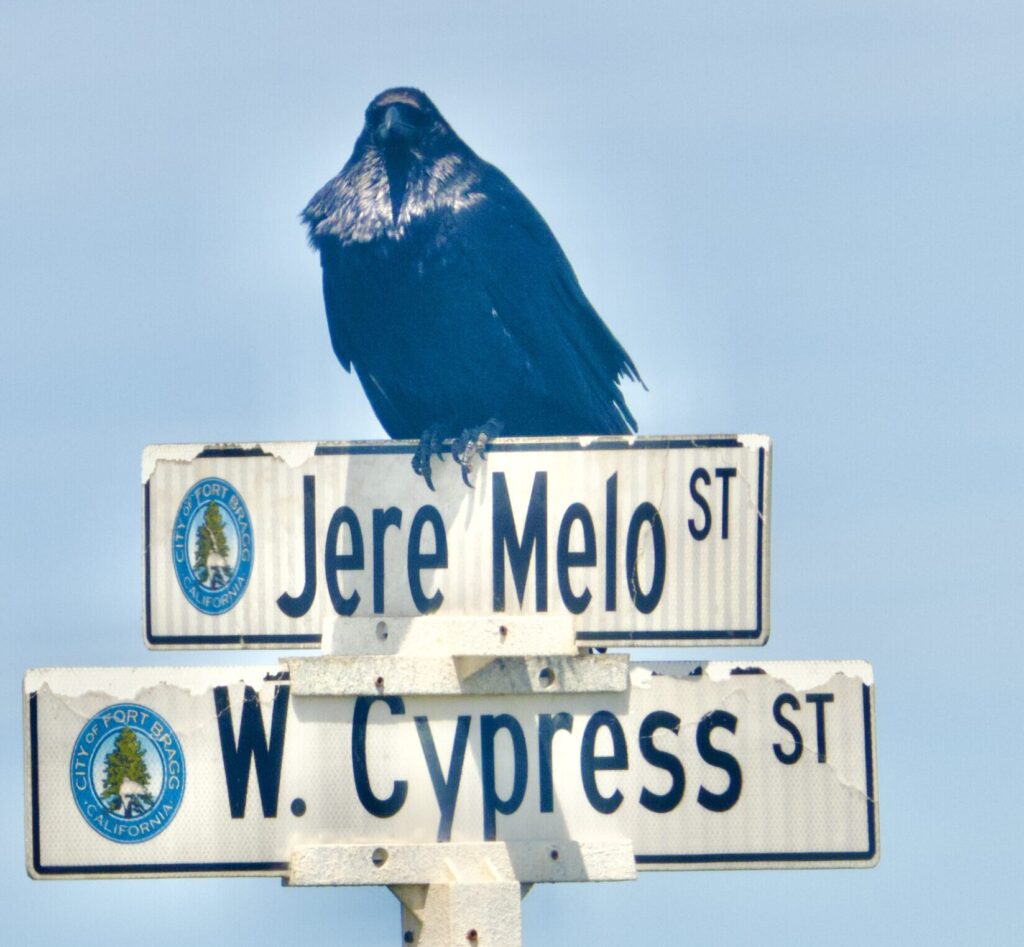
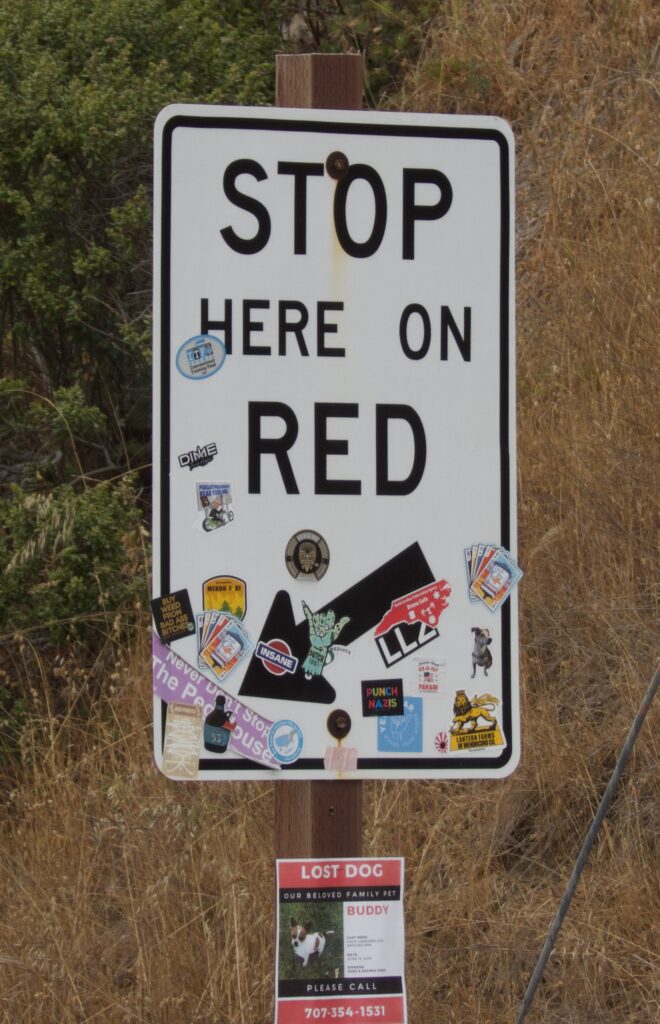

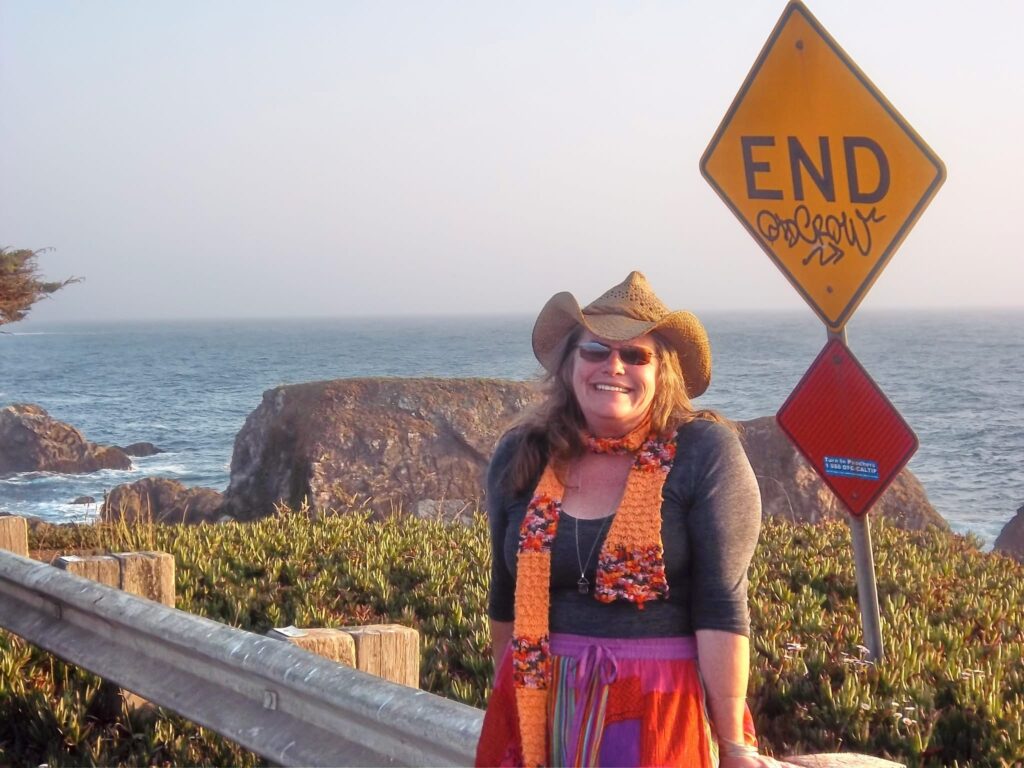
Back in the 2013 era — before it somehow became acceptable to trash things — it was mostly just graffiti.
A COAST WORTH PROTECTING — We live in a place where valley volunteers can stop a wildfire charring a bedroom, where a single word on a sign — END — has become a family tradition, and where the ocean takes over the moment the pavement runs out. It’s a coast worth protecting. Yet somehow, in recent years, we’ve started treating our landmarks like scrapbooks. Stickers on signs, locks on bridges, little bits of “I was here” left behind as if the view needs proof of anyone’s visit.
Please don’t ruin our views. Down with stickers — stick your own stuff on your own things. And in a coming article, Unlock Our Bridges, we’ll look at the growing habit of leaving padlocks on public railings, a trend that turns shared places into metal junkyards. You’re not making a happy memory of your love — you’re littering. And by law, that can carry a $1,000 fine.
The coast already gives us everything: beauty, drama, danger, rescue, and the quiet reminder that we live at the edge of the world. The least we can do is stop leaving our trash stuck, nailed, or locked to it.