Your Thursday Paper: Circus in Town + Mystery Photo + Our Investigation Determined Caddy the Rodeo Horse Was Killed by Pellet Gun + Caltrans isn’t closing Blues Beach right away
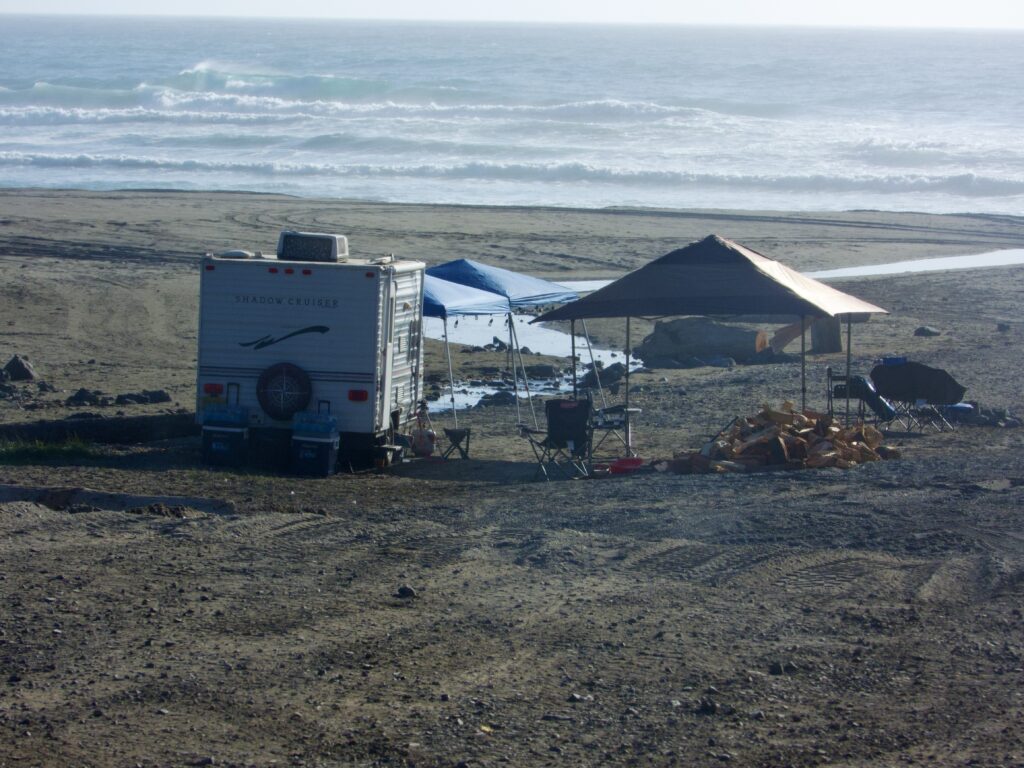
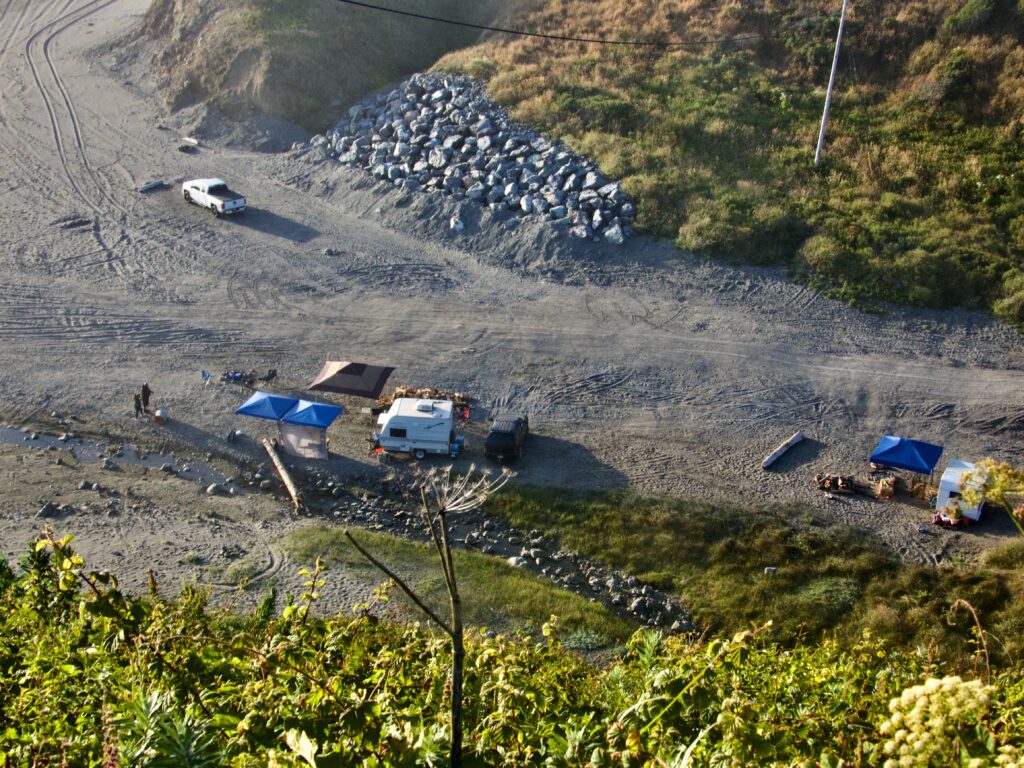
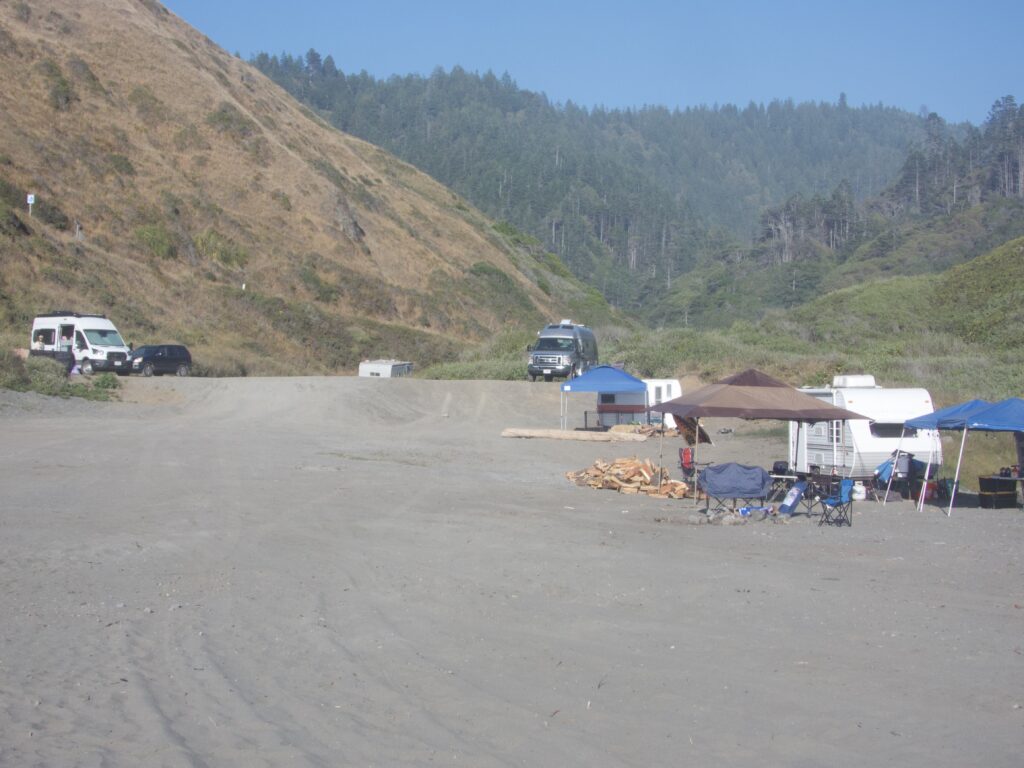
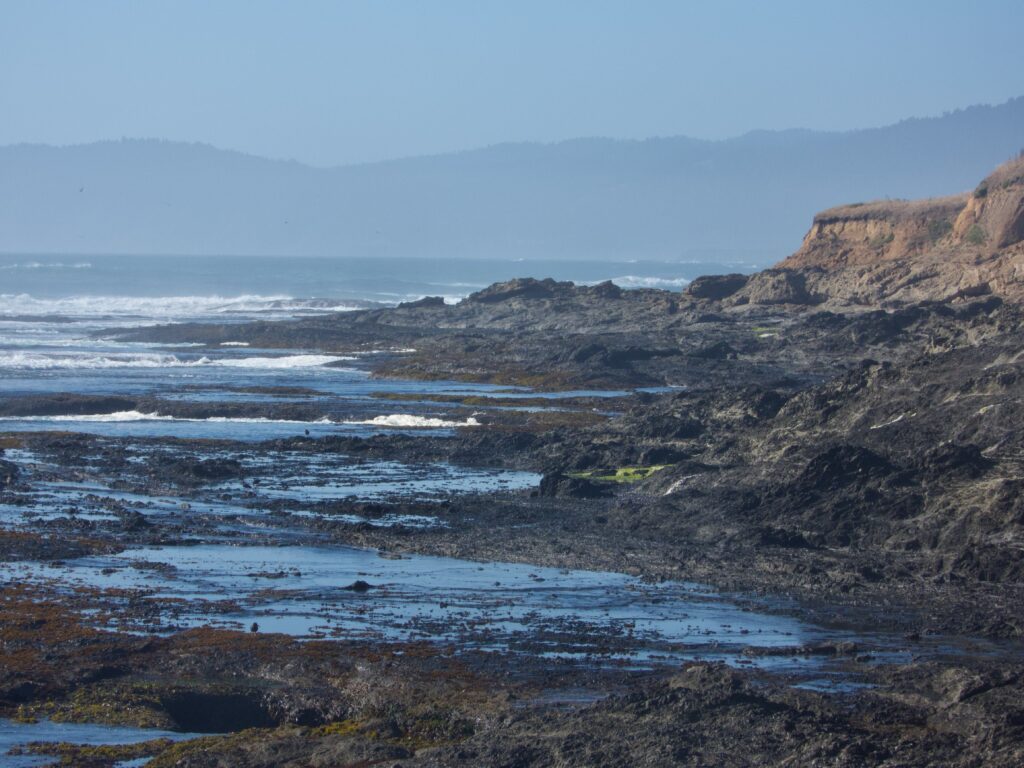
Caltrans has reversed course and will now keep Blues Beach open until campers clear out. The change came after our newsroom told the agency that dozens of people were still camping there on Wednesday, despite a press release announcing a closure during the land’s transition from Caltrans to Kai Pomo, the nonprofit formed by three Mendocino County tribes that historically used the site. Signs of Indigenous use remain visible across the south end of the property, which is poised to become the most spectacular oceanfront tribal holding in California, complete with towering bluffs on both ends of the three‑quarter‑mile beach. The shift underscores the need for careful coordination, clear communication, and shared responsibility as the transfer moves forward.
“Caltrans will temporarily keep the gate open at Blues Beach due to vehicles being present. Once it’s safe to do so, the gate will be closed to vehicle access,” said Manny Machado, Caltrans spokesman for District 1, after we informed him of the situation.
Content Warning (care‑forward): Please read this with care. Caddy’s death was accidental but senseless, and the grief it left behind is real. Linda and I literally shed tears over this story. We ask readers not to be haters or jerks about a 17‑year‑old’s loss, but to meet it with empathy, responsibility, and an understanding of the consequences that come when preventable harm occurs.
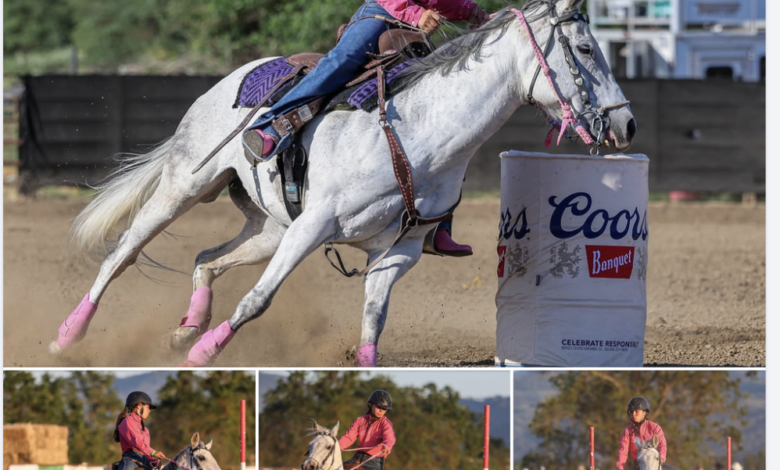
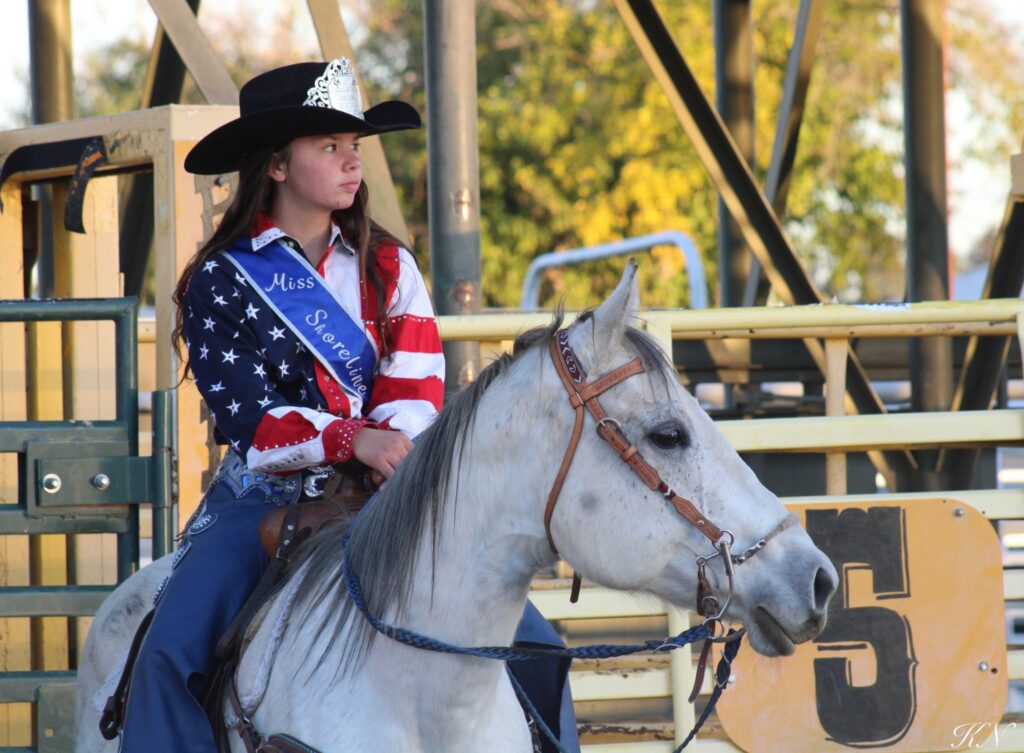
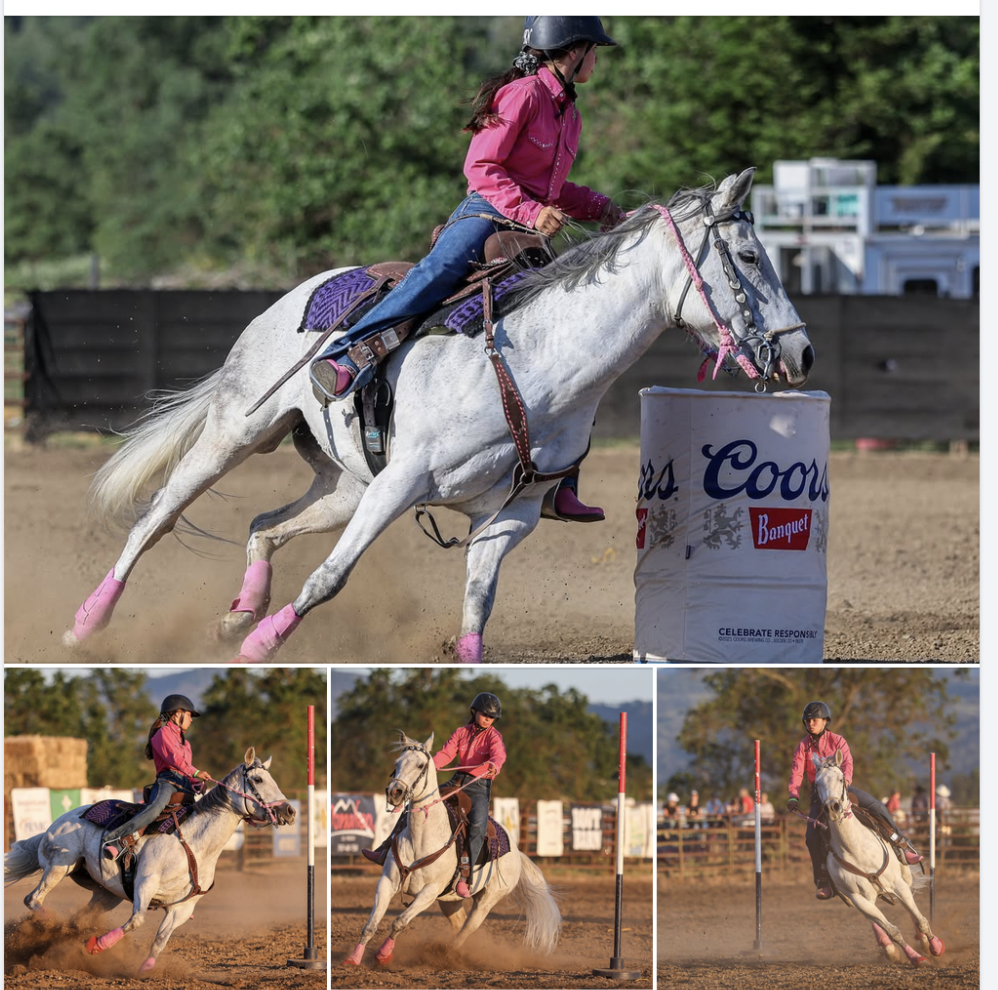
One of the Mendocino Coast’s most distinguished animals was shot and killed by a pellet fired from an air rifle — an extraordinarily rare, weird, and awful thing to happen. Our investigation determined that Caddy, a beautiful rodeo horse bonded to 17‑year‑old Adeline Shattuck, an accomplished young rider and former Queen of the Shoreline Riders Rodeo, died on June 11. We began hearing about the incident shortly afterward, and it has been arduous to obtain the full, verified story. What happened to Caddy is one of the saddest events of the year, and we continue to pursue clear answers with care, accuracy, and a sense of community responsibility.
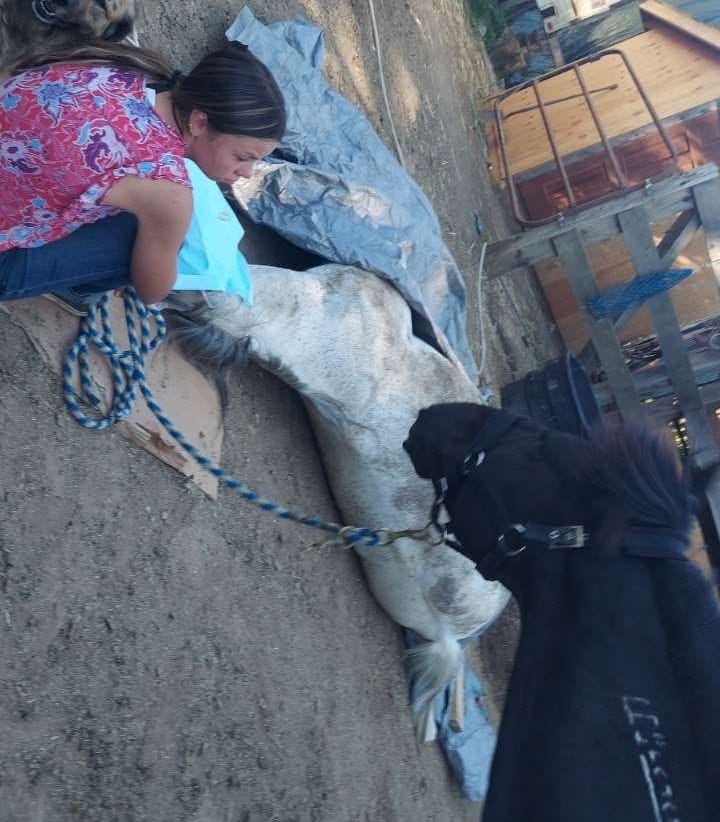
The Mendocino County Sheriff’s Department was called on that fatal day. Two horses had been shot with pellets, but only magnificent Caddy lay down and died after being struck. Investigators believe the pellet punctured Caddy’s lungs, causing them to fill with blood; she collapsed and died soon afterward. Her 17‑year‑old rider and owner had been uptown when the shooting occurred and returned home to find Caddy in her arms. The MCSO referred the case to Mendocino County Animal Control, which determined the horses had escaped the area where they were supposed to be contained. Someone had been trying to scare them out of a pasture with an air rifle, and then a fatal shot was fired. The sequence underscores the consequences of preventable harm and the need for care and responsibility in rural settings.
Mendocino County Animal Control Director Amy Campbell said nobody should ever fire a pellet gun — or any gun — to scare animals, or use a firearm around animals in such a manner at all.
“This was a total fluke.. But using a pellet gun like this is very poor decision-making,” Campbell said.
Animal Control concluded that the shooting had not been malicious, and no charges were filed. Investigators determined the horses had escaped their enclosure and wandered into a neighboring pasture, where someone used an air rifle in an attempt to scare them away. In the course of that effort, a pellet struck Caddy with fatal consequences. The agency’s finding does not lessen the grief of the family or the community, but it does clarify that the incident stemmed from poor judgment rather than intent to harm — a distinction that underscores the need for care around animals and responsible handling of air rifles in rural settings.
“We decided to not pursue the PC 597 felony animal cruelty charge, based on the fact that there was no malicious intent involved with this, so the person involved was really trying to scare the horses out of the yard, they weren’t trying to intentionally even hit the horse, and it was a pellet,” Campbell said.
MendocinoCoast.news spent a week looking into this case and spoke with many people who knew what happened. We continued pressing forward when we saw incorrect reports circulating on social media. This was not euthanasia, as many claimed. Our investigation confirmed that Caddy died from a pellet fired by an air rifle, and we worked to separate verified facts from speculation so the community could understand what actually occurred. The second horse had a pellet stuck in its leg. Its unknown how much wacky pellet gun firing at horses went on, how many other shots were fired and if this happened before.
Dying of a punctured lung is extremely painful for any mammal. Horses have thicker hides than human skin, but a pellet can still penetrate and cause fatal injury. The CDC reports that about four humans die each year from pellet‑gun injuries.
We received the following account from a source whose other information has checked out as fully accurate, so we are including their description of what happened:
“Adeline found Caddy in her stall later, bleeding from her nose and mouth. Another horse friend came over to render aid while animal control and the sheriff were called. The sheriff was present when they gave the horse bute, a painkiller. Caddy had a seizure and died.”
Social media misfired on who was in charge of this case. The Sheriff’s Department responded that day, but all of this occurred on a family compound on Highway 20, and the person who likely fired the pellet gun is a family member of Adeline Shattuck. It is very sad, and the exact sequence remains unclear, but Campbell and Mendocino County Animal Control determined the shooting was not intentional and that charges were not warranted. Caddy and another horse either got out or were let out of their pen and were roaming an area of the property where they were not allowed and might have escaped from. A relative of Adeline fired the pellet gun to scare the horses back to where they belonged. How many times Caddy was hit, or whether there were any signs she had been struck by pellets in the past, is not information we have. We do plan to sit down with the people involved. Adeline Shattuck now needs a new horse. We are considering whether someone might offer boarding for that new horse and whether the community could raise money to support this young woman’s desire to continue riding competitively — or whether future discussions will show how a new horse could be assured of safety on the old family place.
We asked how people could be educated in this case, beyond the most basic rule — never, ever fire a pellet gun, arrow, throw a rock, or anything else in the direction of an animal. Campbell also warned of the dangers of letting livestock escape pens. When horses or other large animals get out, the risks multiply quickly: people may panic, use the wrong tools, or make split‑second decisions that have unintended consequences. This case shows how a single attempt to scare livestock back into place can turn fatal, and why education around animal safety and secure enclosures is essential in rural settings.
“A cow can get out on the highway and someone could be killed who hits the animal,” she said.
We know Campbell from her lifelong service at the Ukiah animal shelter. We went there last year with our German Shepherd/Malinois Brutus, a private rescue dog, to pick out a new puppy, Caesar, a German Shepherd/Great Pyrenees. Amy and the Ukiah shelter let us bring Brutus into a waiting room to browse dogs and make the choice. Amy and I both believe it’s critically important to make the old dog think he was the one who adopted the new dog — a practice not allowed in some other local pet‑adoption facilities. Campbell makes very tough animal decisions every day, and this case was one of them. We also spoke with Judy Martin, head of the Mendocino Coast Humane Society, who said she is delighted to be working with Campbell and gave her a full thumbs‑up, trusting her judgment. This local alignment underscores the importance of competent animal leadership and coordinated humane‑services work across the county.
“This case was very sad for everyone involved, very sad for the owner of the horse (Adeline), Campbell said.
Caddy’s death has become one of the Mendocino Coast’s hardest stories of the year — a collision of family, livestock, rural habits, and a single moment of poor judgment that changed everything for a 17‑year‑old rider. The verified facts now stand: this was not euthanasia, not malice, not a sheriff’s case gone sideways, but a fatal mistake on a Highway 20 family compound. Campbell and Mendocino County Animal Control made the difficult call, supported by humane‑services leaders who trust her judgment. The lessons are straightforward: secure pens, know your tools, never aim anything at an animal, and understand how fast unintended harm can unfold when livestock gets loose.
What remains is the community’s responsibility. A young competitor lost her magnificent horse. A family is grieving. A county is learning. And MendocinoCoast.news will keep pressing for clarity, education, and responsibility so this kind of preventable tragedy never repeats. If there is a path forward — boarding help, community fundraising, or ensuring a safe place for a new horse on the old family property — we will help shine light on it. This coast has a long history of stepping up when one of its own is hurting, and this moment calls for exactly that.
Have a safe and happy Fourth of July holiday, and enjoy the photos below covering weekend events.
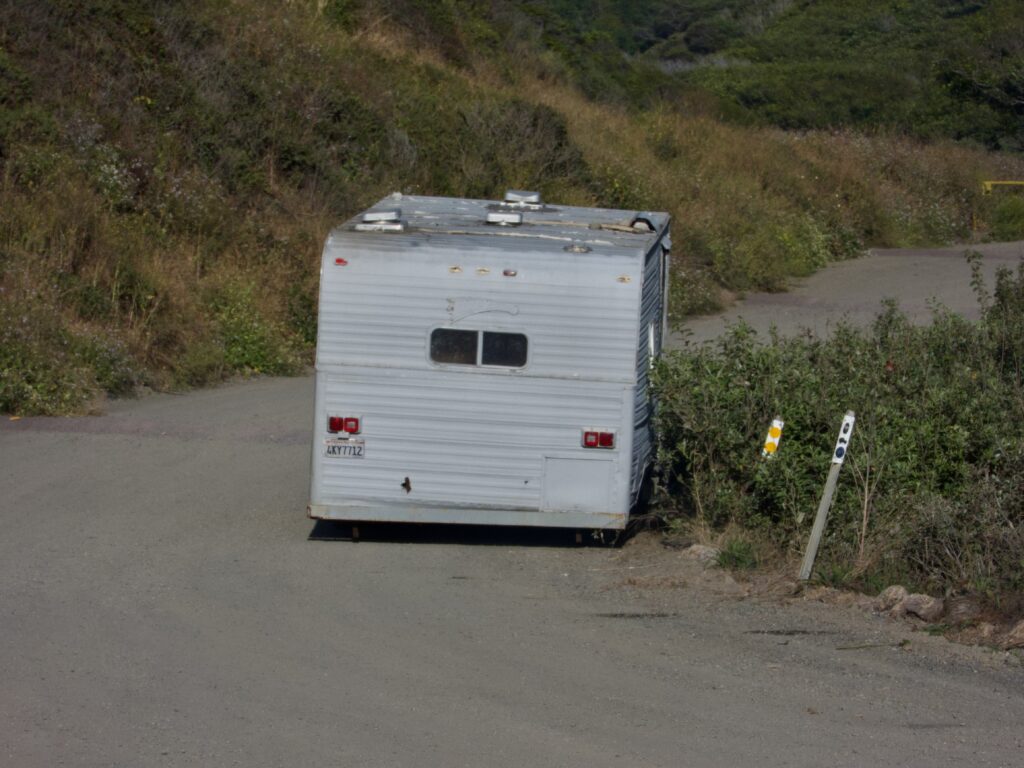
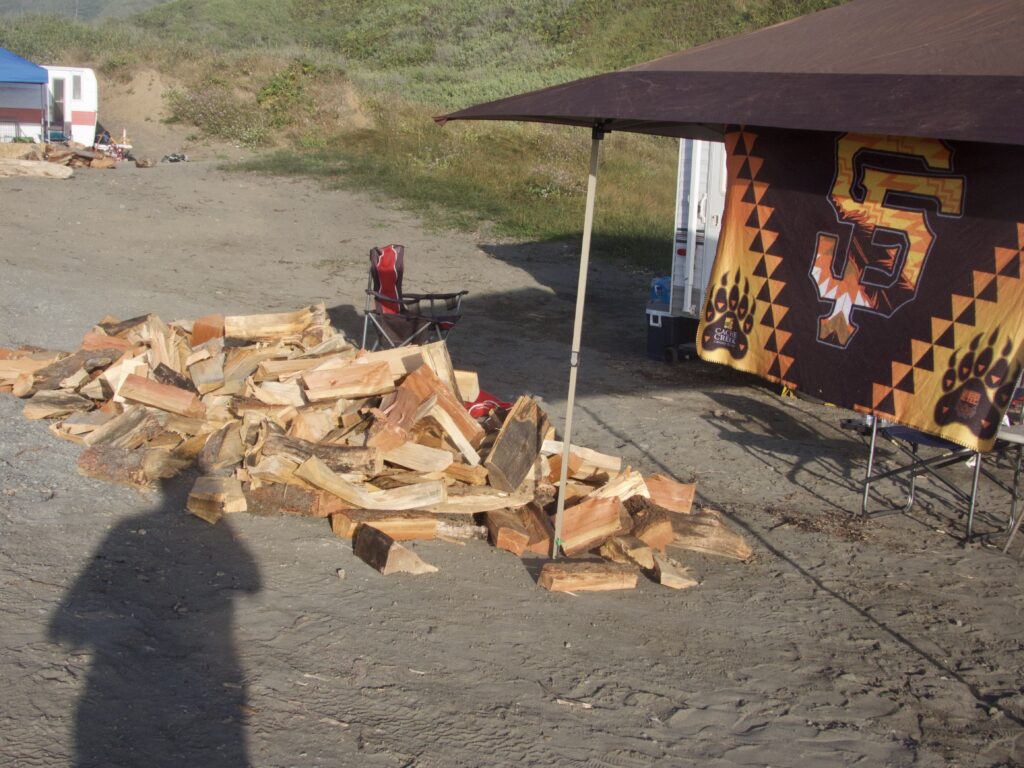
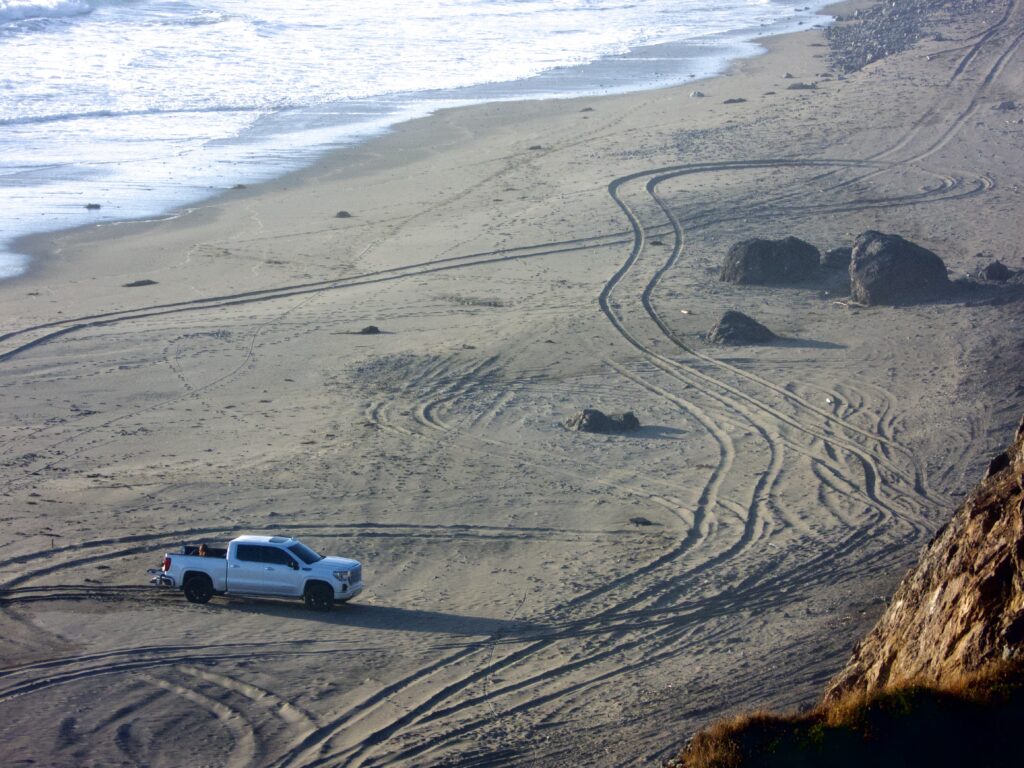
Caltrans got Blues Beach in the 1960s as part of Lady Bird Johnson’s Highway Beautification Program, which limited billboards and preserved beautiful places along highways. State Parks wasn’t in gear to take it a the time and Caltrans was stuck with a park they didnt have the means to manage and it turneed to the free-for-all, drive, cycle, party all night and campire-on-the-beach place. Someone set the hillside on fire a few years ago, which helped expedite the decision to transfer it to indigenous tribes. Below is our story on the construction project and transfer.




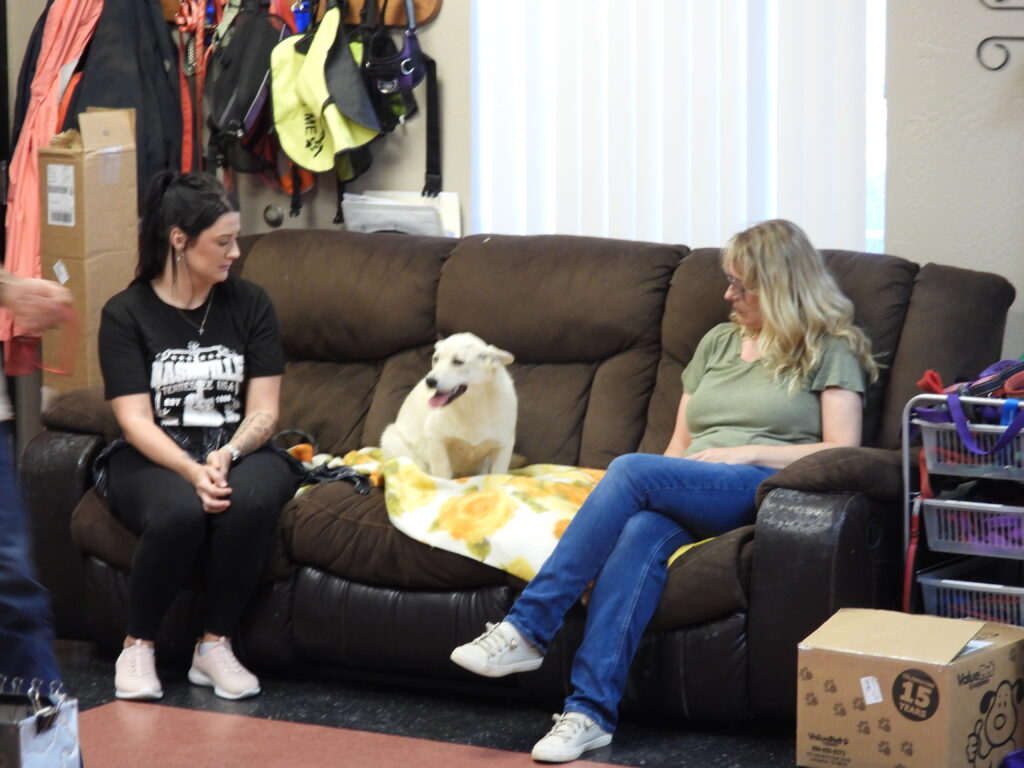
Ukiah Animal Shelter — Lisa, the adoption coordinator at the Ukiah Animal Shelter, conducts a three‑way interview with the dog, the potential owner, and herself. She did this on one of the days we went to adopt Caesar. We found their process to be the easiest in the area. Caesar’s foster dad had us come over the hill three times before allowing the adoption, including one trip so another couple could meet his brother. These are the good guys who save and help many animals, and that’s worth remembering when reading this story.
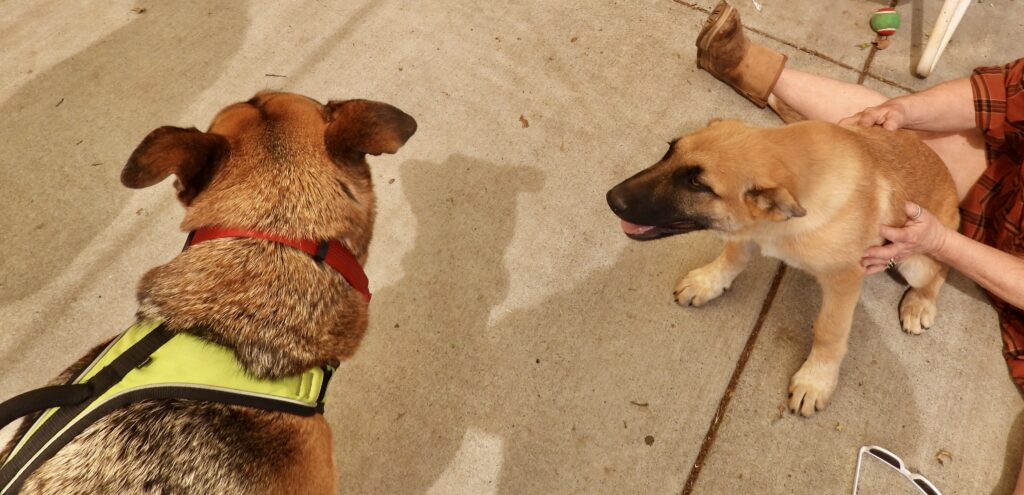
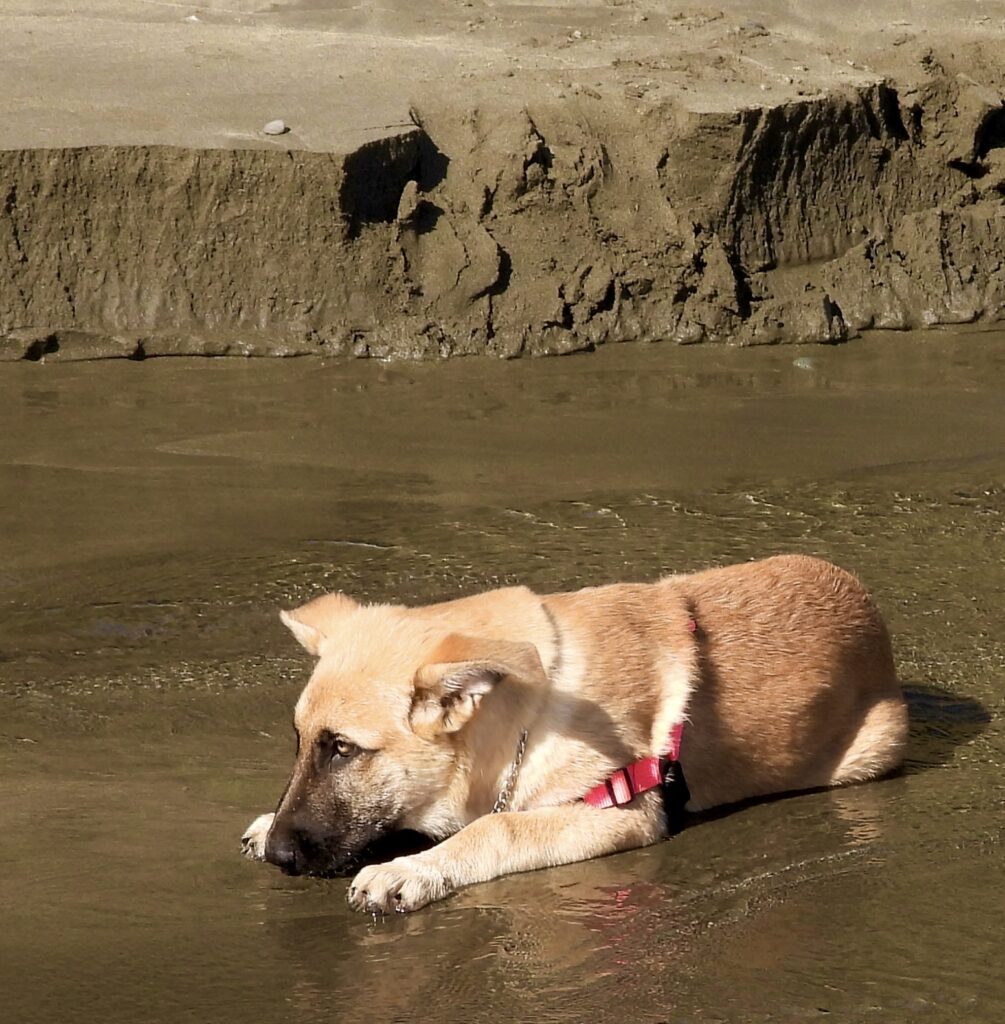
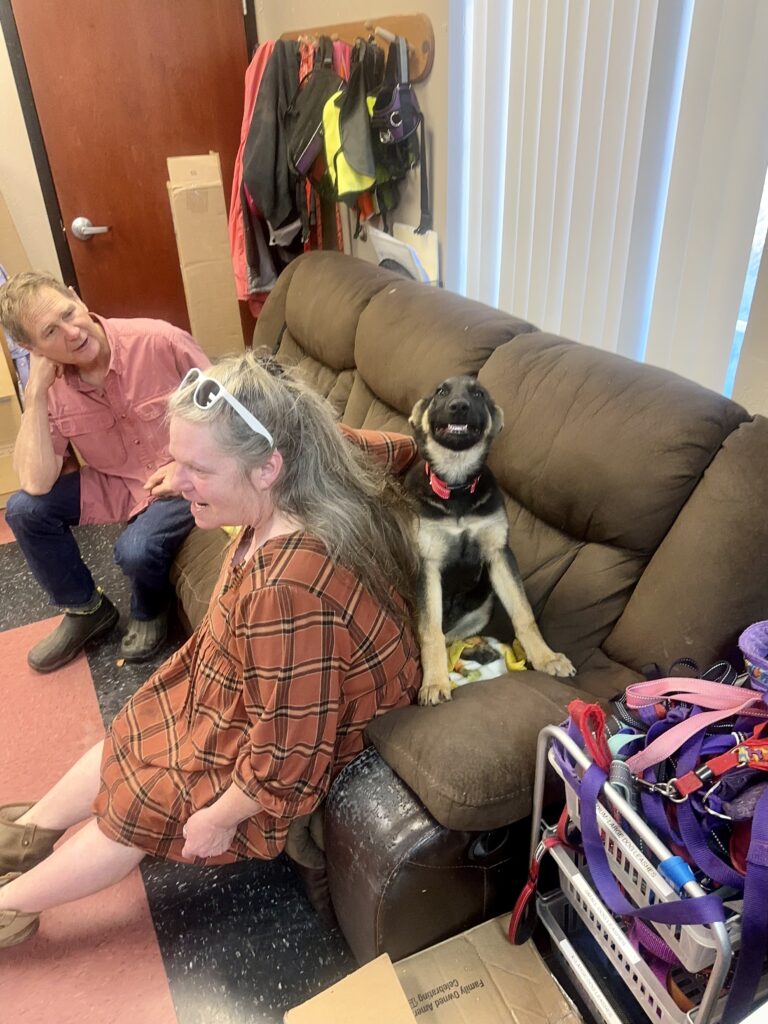
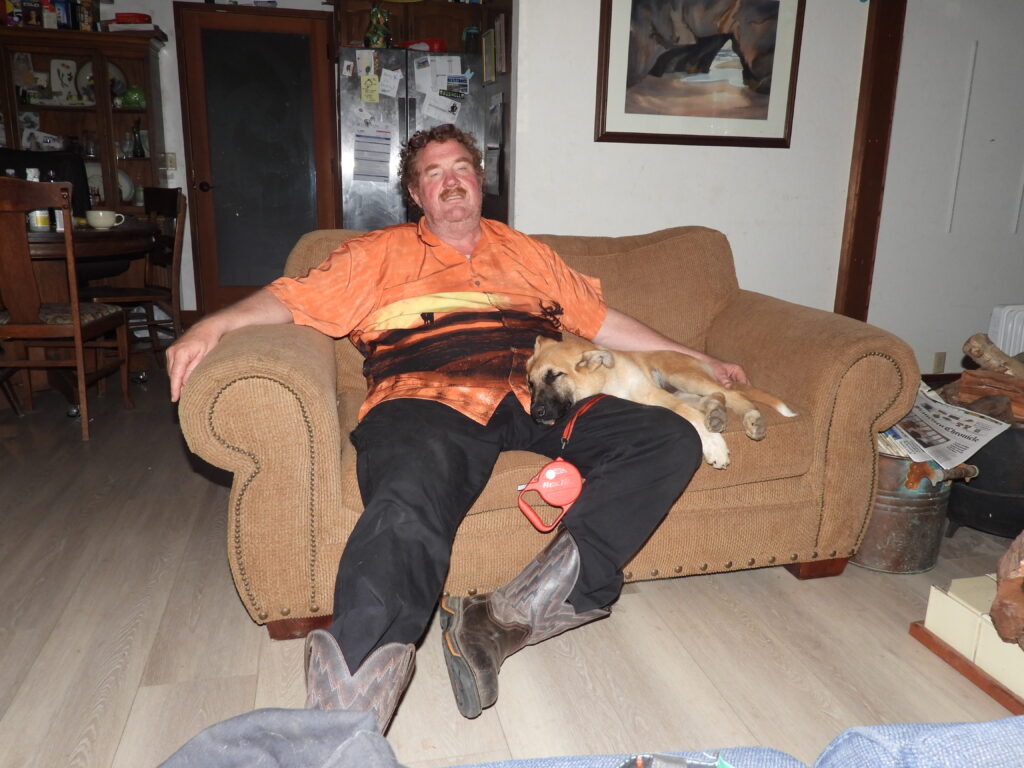

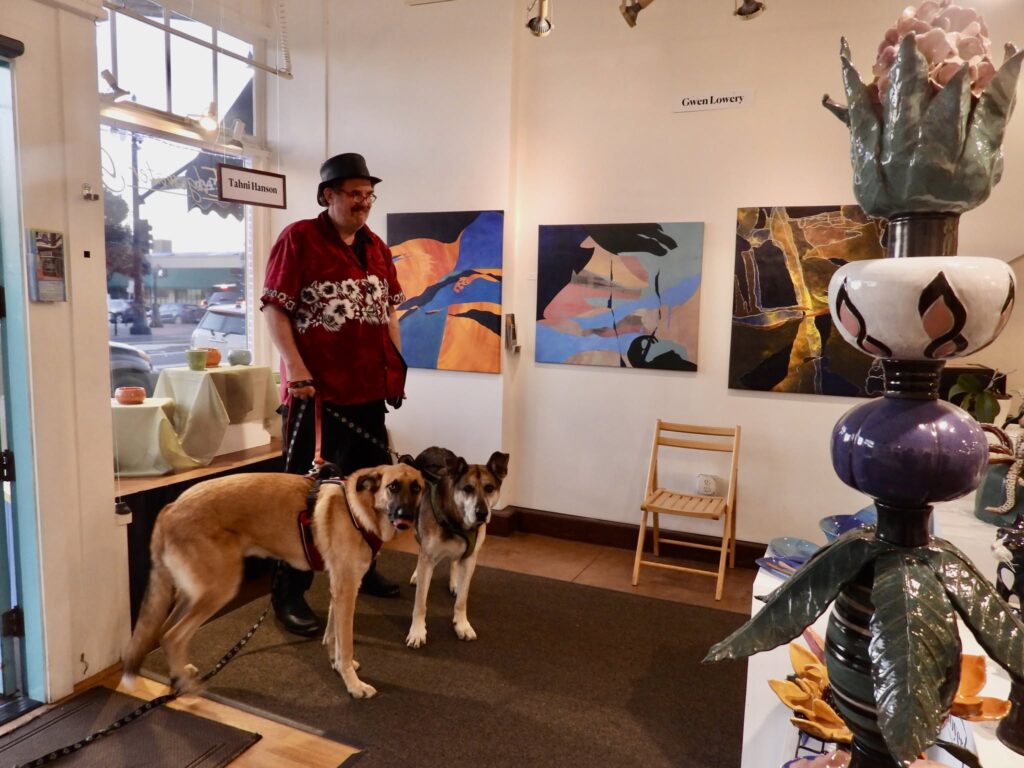
Art‑critic dogs — Now full grown at 103 pounds, Caesar is taller than Brutus and living his best life on the Mendocino Coast. The two moonlight as art critics in between their daily beach jaunts.