Hare Creek Bridge: Narrow, dangerous, railings crumbling — Letter to the Editor
Dear Editor,
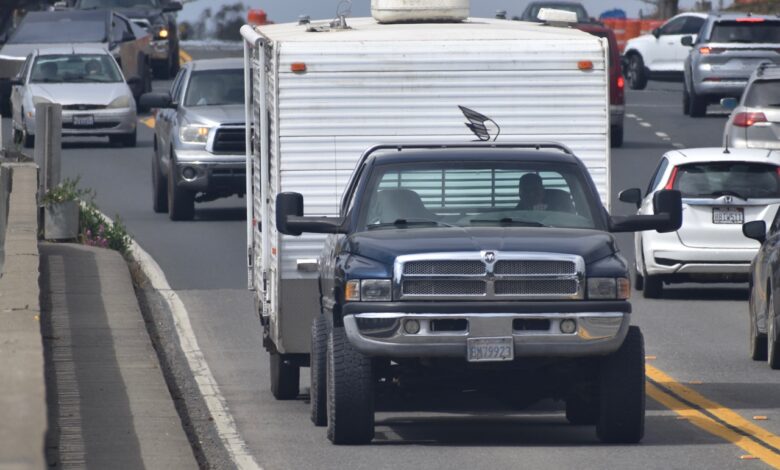
The Hare Creek Bridge is a deadly hazard for bicyclists who use it going to Mendocino or Caspar from Fort Bragg or from the opposite direction to Fort Bragg. It’s dangerous because many cars, trucks and SUVs heading south from Fort Bragg or points north travel over it. The bridge was built in 1947 and is in very bad condition. According to Frank Hartzell, Caltrans had the bridge on its list of deck replacements for more than 15 years, then suddenly removed it just as the work was beginning on the Jack Peters Creek Bridge. We will be looking into why that happened and what will be done in the future about the Hare Creek Bridge.
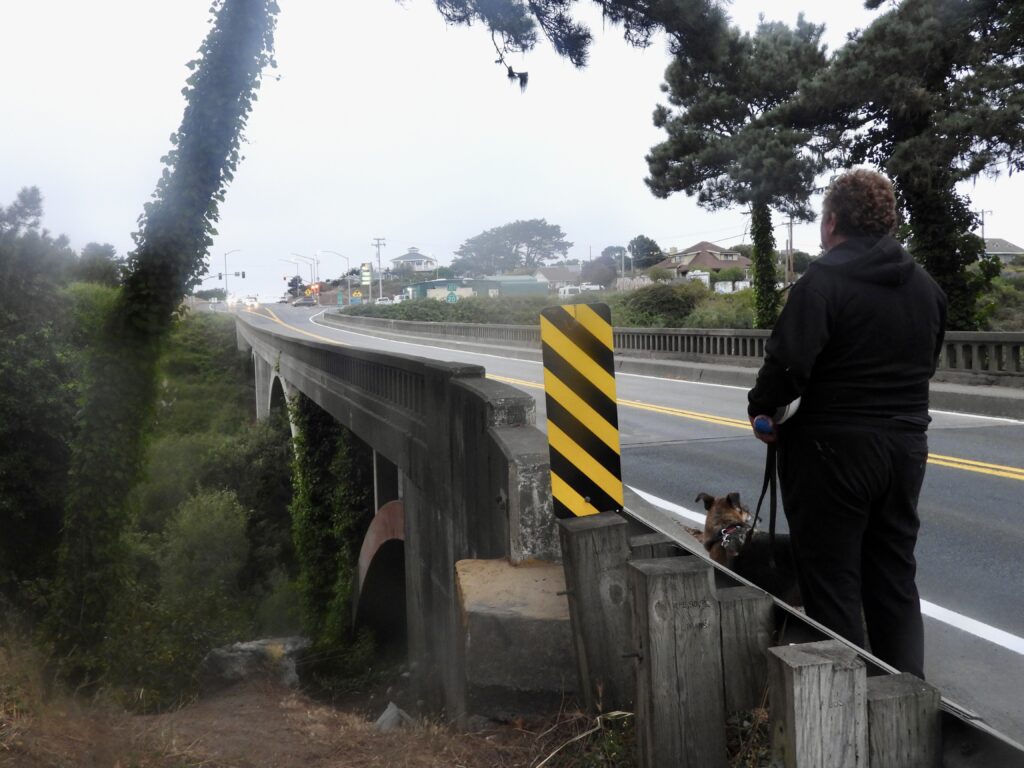
The bridge doesn’t have enough space for cars, trucks, motorcyclists, bicyclists and SUVs going both ways across it. The old bridge is extremely dangerous and fatal accidents have occurred there over the years. The bridge is so narrow that there isn’t any room for bike lanes. Bicycles are forced to either take up the whole lane or hope that no one will hit them while the car passes them.
More cars and SUVs are crossing the bridge heading south during the vacation season. Many long distance bicyclists who are riding from as far north as Washington State down to Southern California and even Mexico must use the Hare Creek Bridge. The scenic route along the coast is well known to bicyclists from Germany and numerous other countries, including Canada. Why have this scary, narrow, spot as the welcome to Fort Bragg to trekkers from the south?
A 58-year-old motorcyclist collided with 2 cars that stopped on the bridge ahead of him on June 9, 2008. He died from the resulting injuries. According the Advocate News, a pedestrian was injured near Hare Creek bridge on 7/22/2019. There were four serious vehicle-pedestrian accidents in 15 days on Highway 1 between Mendocino and in Fort Bragg that year according to the Fort Bragg Advocate.
I worked for a bicycle delivery service in Santa Barbara for 6 years when Santa Barbara’s human population was approximately 60,000. I rode in the streets delivering many heavy and strangely shaped objects. Some times I carried blueprint sets that weighed as much as 75 lbs. to building sites.
I never had an accident with a car while I was delivering on my bicycle. There was never any place along any of my routes between downtown Santa Barbara and the University of California 9 miles north of Santa Barbara that was as dangerous as the Hare Creek Bridge.
Sincerely Ed Oberweiser
Ed, thank you for your detailed and deeply considered letter to the editor. Your long experience as a bicyclist and your firsthand understanding of road safety add important context to the ongoing conversation about the Hare Creek Bridge and the dangers faced by cyclists, pedestrians, and motorcyclists there. Hearing from you — and from all our readers, whatever their views or experiences — is part of what keeps community journalism alive on the Mendocino Coast.
Your voice matters here.
Your perspective matters here.
And we’re always glad when you choose to share it.
If you or any reader would like to be heard in your own Letter to the Editor, write us anytime at frank@mendocinocoast.news.
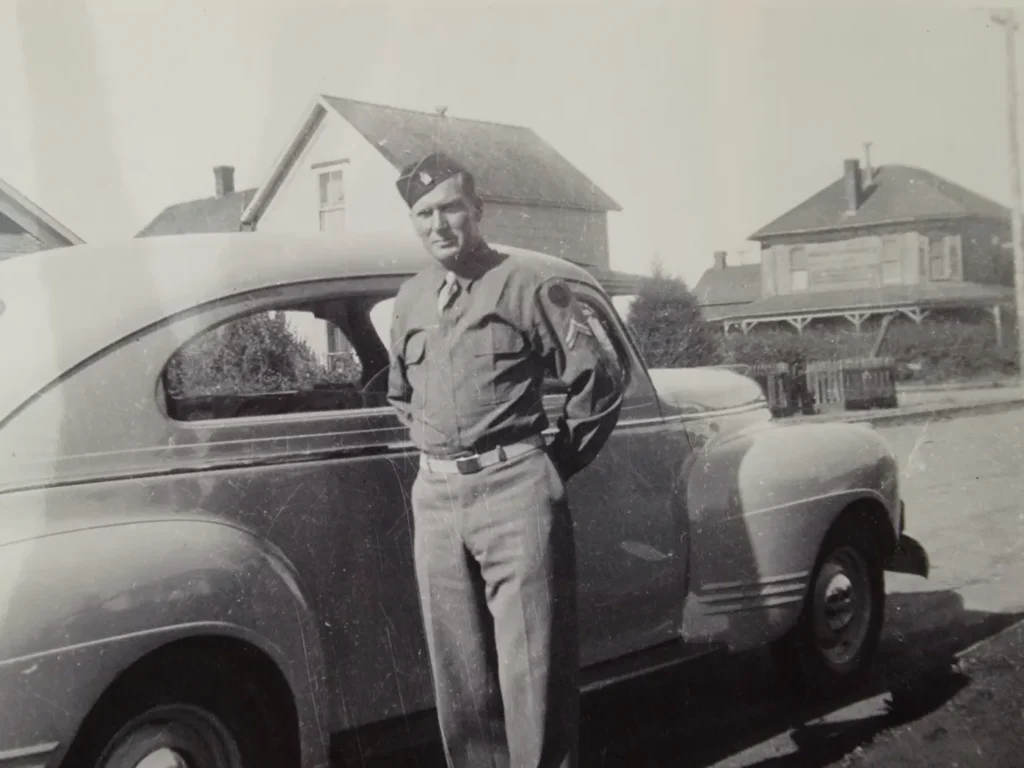
The full name of the Hare Creek Bridge is the Sgt. Emil Evenson Memorial Bridge. Sgt. Emil Henry Evenson was a Fort Bragg man who died fighting Japanese forces in the Aleutian Islands — part of Alaska, then a U.S. territory — during World War II. The bridge was named in his honor.
Because the Hare Creek Bridge spans only about 200 feet, it has remained in roughly the same form far longer than the Coast’s taller, more complex bridges — the Noyo, Albion, and Russian Gulch Bridges. Before those larger bridges were built, driving the Mendocino Coast was far more arduous, requiring long, winding descents to low crossings and slow climbs back out. Hare Creek’s short span is one reason its original 1947 structure has lasted while others have been replaced or rebuilt.
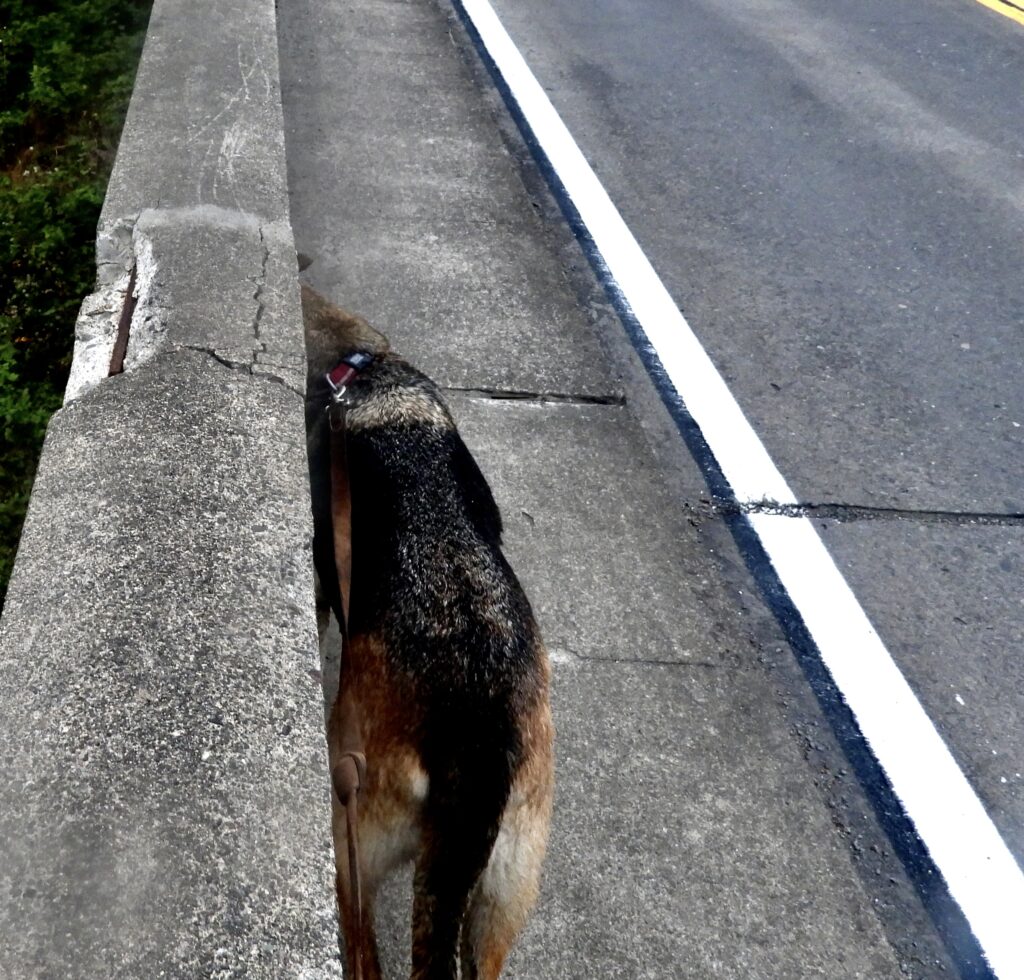
Two other short, low-span bridges — the Pudding Creek Bridge north of Fort Bragg and the Jack Peters Creek Bridge just north of Mendocino — were rated structurally sound in 2020. Like Hare Creek, all three suffered from deteriorated concrete deck railings and were considered too narrow for modern traffic. The railings were failing to varying degrees.
Caltrans has spent the past several years making the drive from the Big River Bridge to Inglenook safer. At the same time, a major widening project stretched from south of Elk to just past the Jack Peters Creek Bridge. Now, Caltrans is widening and improving sidewalks from north of the Pudding Creek Bridge all the way to the Hare Creek Bridge.
The question remains: will the Hare Creek Bridge — with its narrow lanes and lack of safe space for bicyclists and pedestrians — become the one gap in an otherwise continuous safety upgrade?
All three bridges suffered from the same critical design flaw: water was able to penetrate the concrete and reach the rebar, triggering chemical reactions that caused the iron to corrode and the railings to crumble. The Hare Creek Bridge’s deck is only 26 feet wide, while the rebuilt Jack Peters Creek and Pudding Creek bridges now exceed 40 feet each — a dramatic difference in width and safety for modern traffic.
Ed will be reporting on what Caltrans plans for the Hare Creek Bridge, including whether widening, replacement, or other safety improvements are under consideration. Manny Machado of Caltrans has agreed to help him gather information for the story. If you have firsthand experiences, concerns, or history related to the Hare Creek Bridge, please write to frank@mendocinocoast.news, and we will relay your message to Ed.