Linda and Frank Got to See Two Pods of Risso’s Dolphins — a Rare Whale‑Watch‑Month Treat
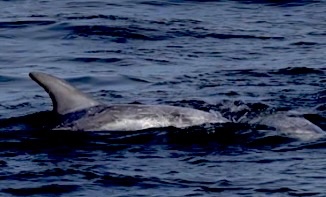
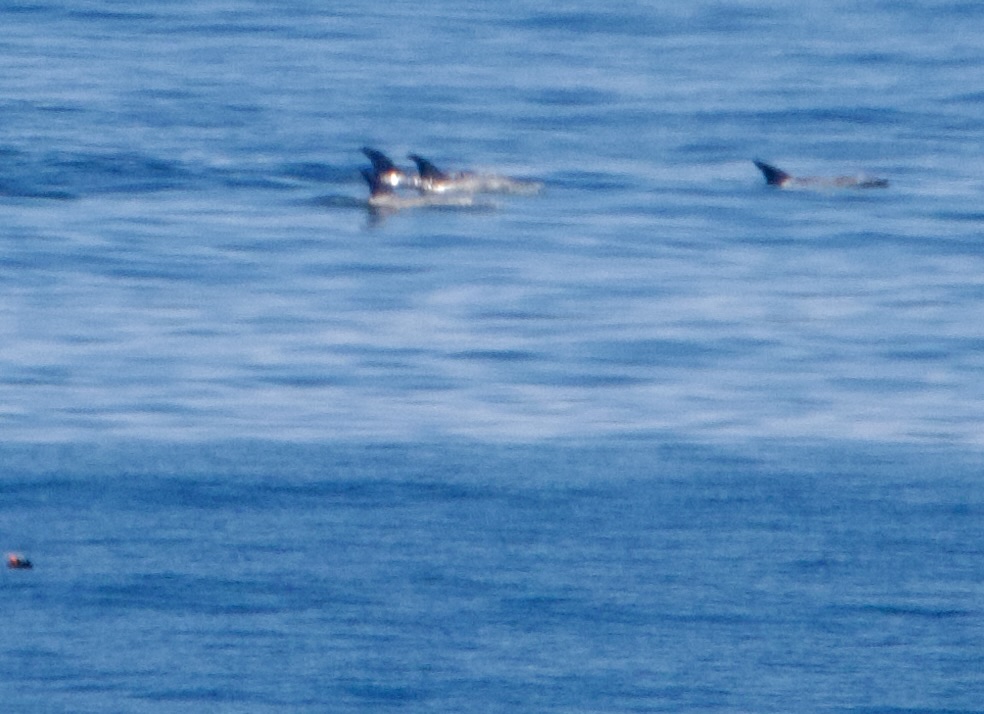
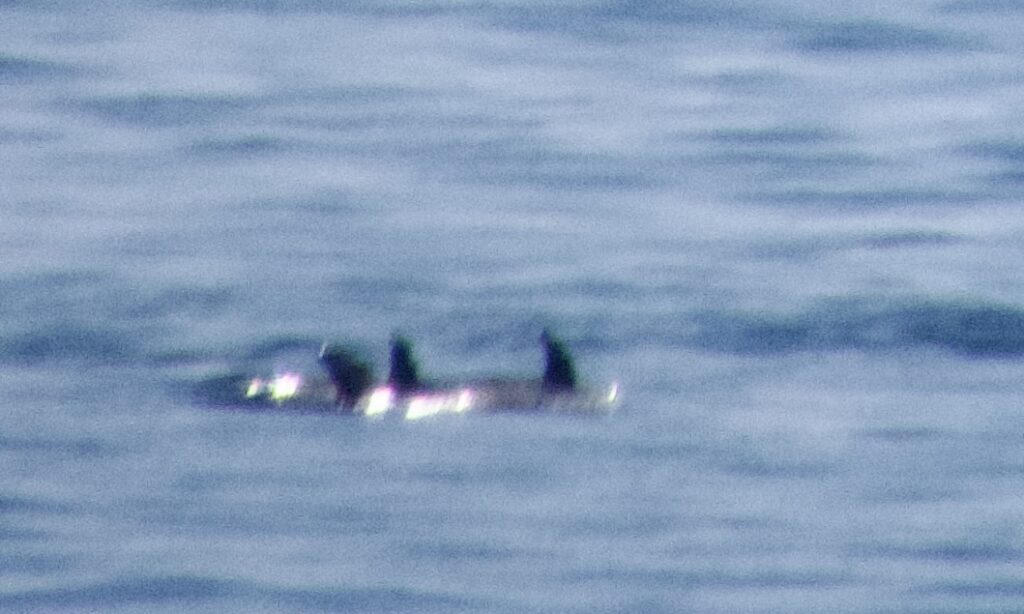
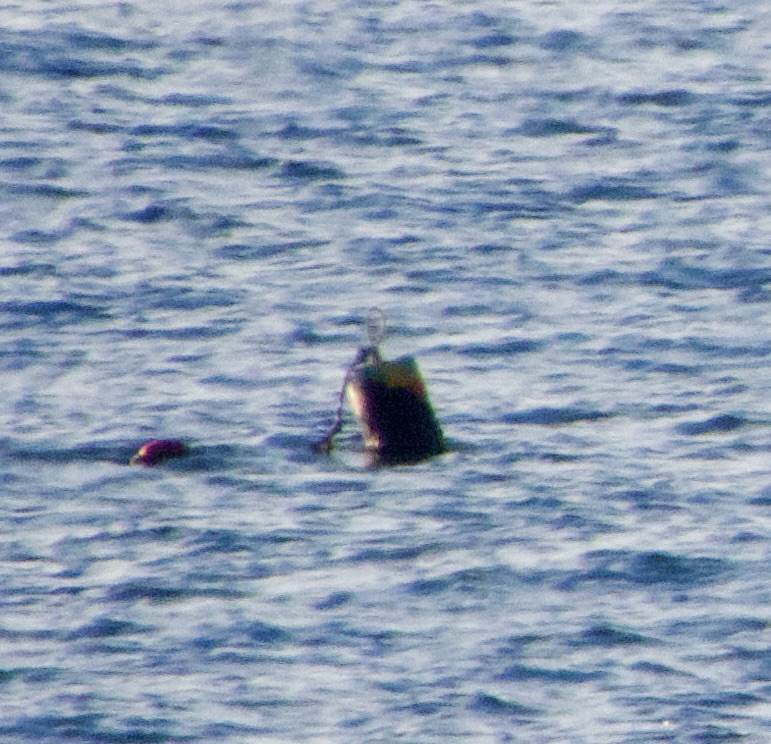
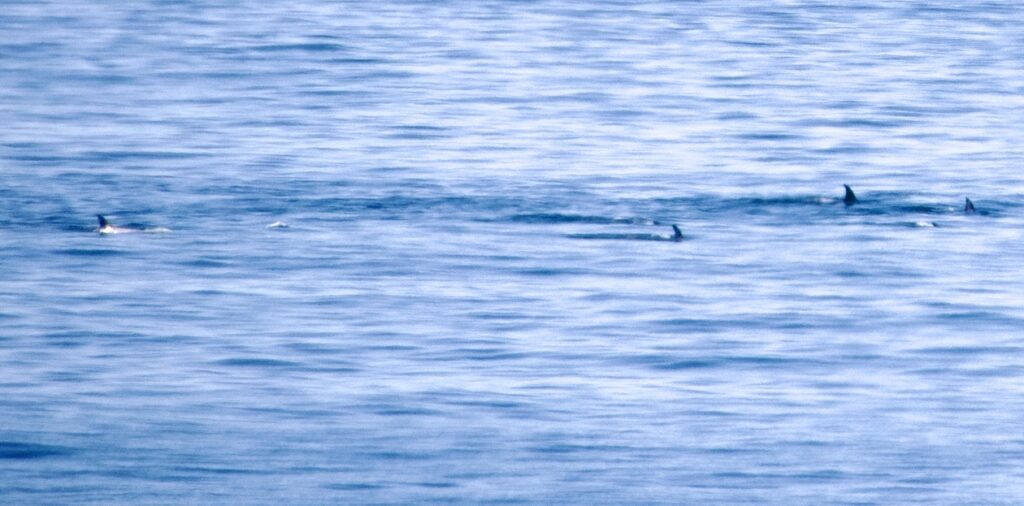
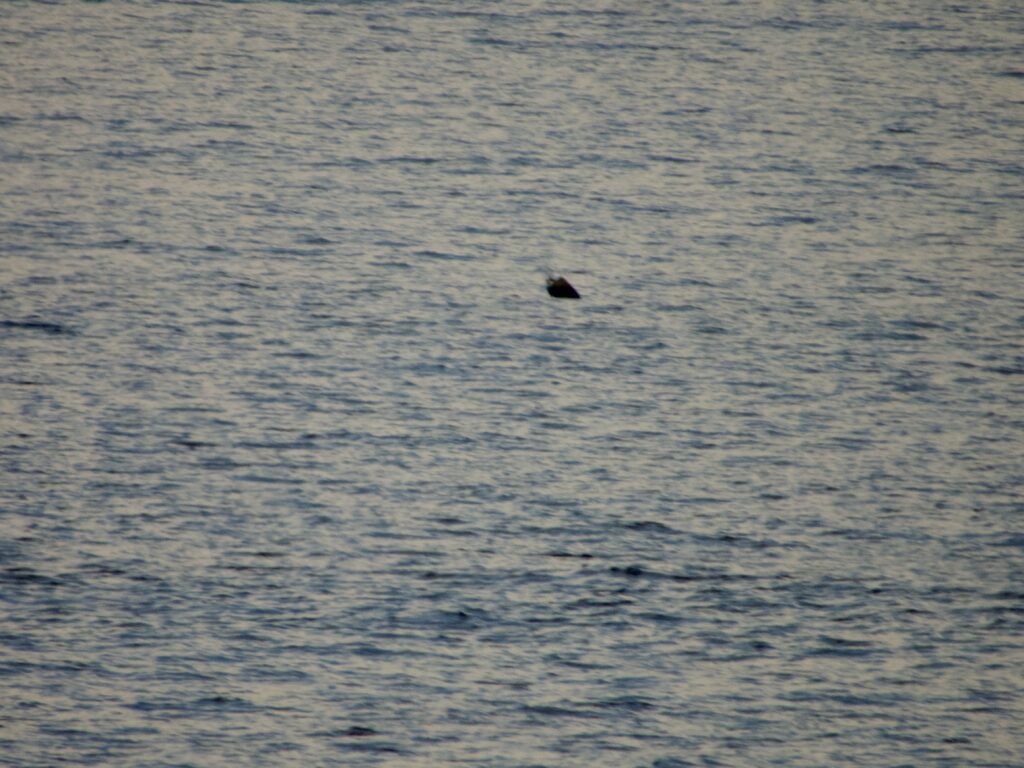
Thanks to Dan Maxwell, the biological observer for the Blues Beach construction project, Frank got to see Risso’s dolphins for the first time today. They were maybe 500 yards off the coast, and Dan had a very cool scope dialed in on them. Frank brought the Nikon P1000 and zoomed all the way out, but in classic Frank fashion he spent half his time photographing crab‑pot buoys he was absolutely convinced were also dolphins. LOL. With the lens extended to the moon, it was all he could do to keep anything in the frame long enough to press the shutter.
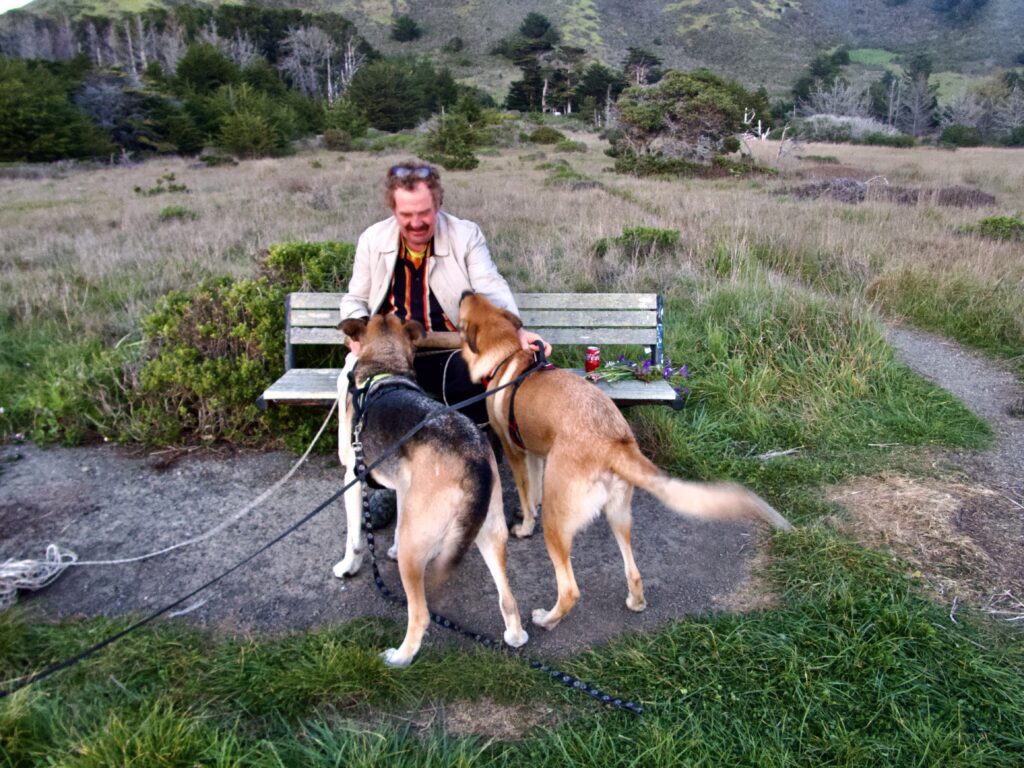
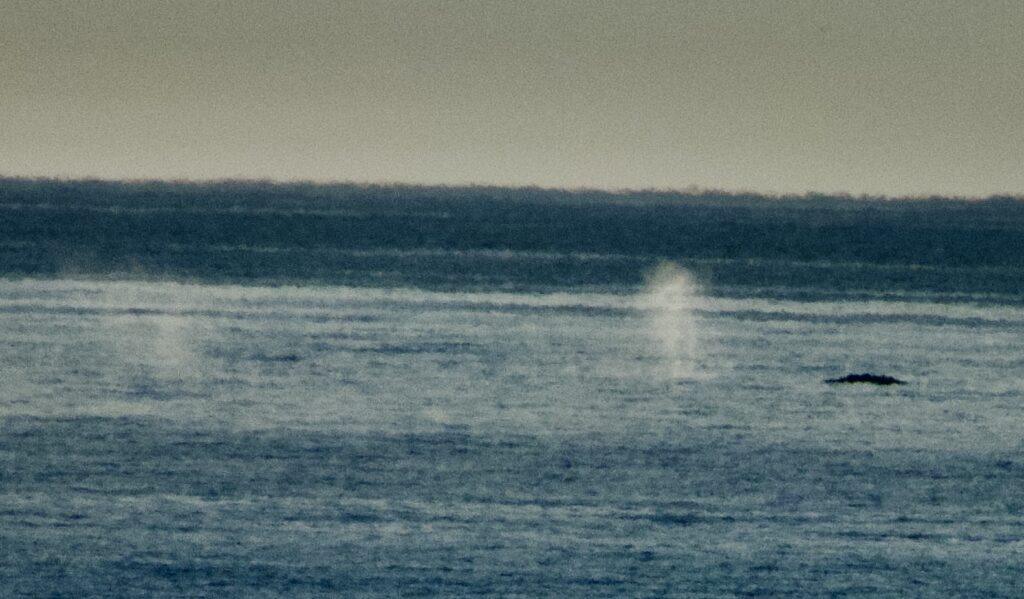
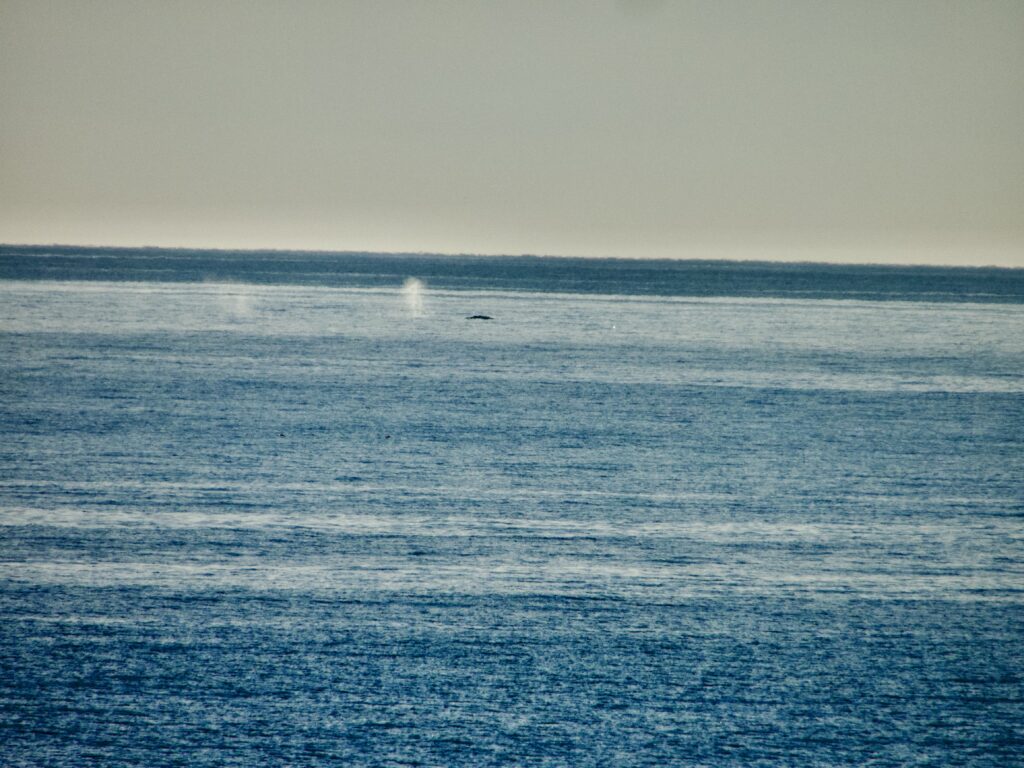
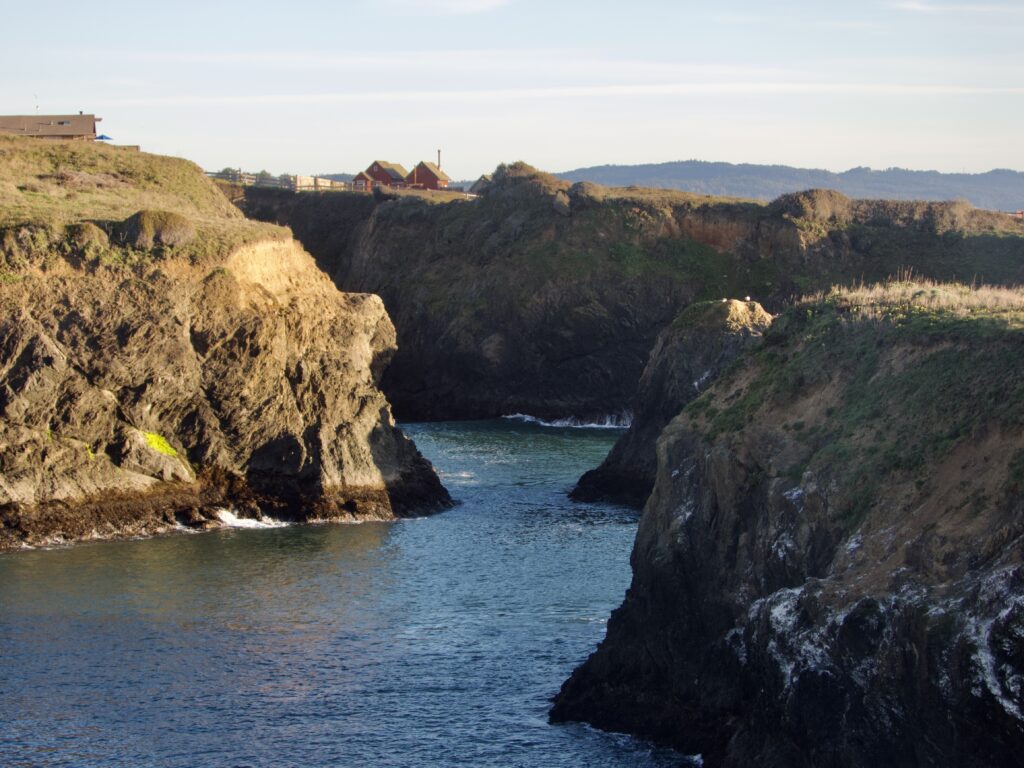
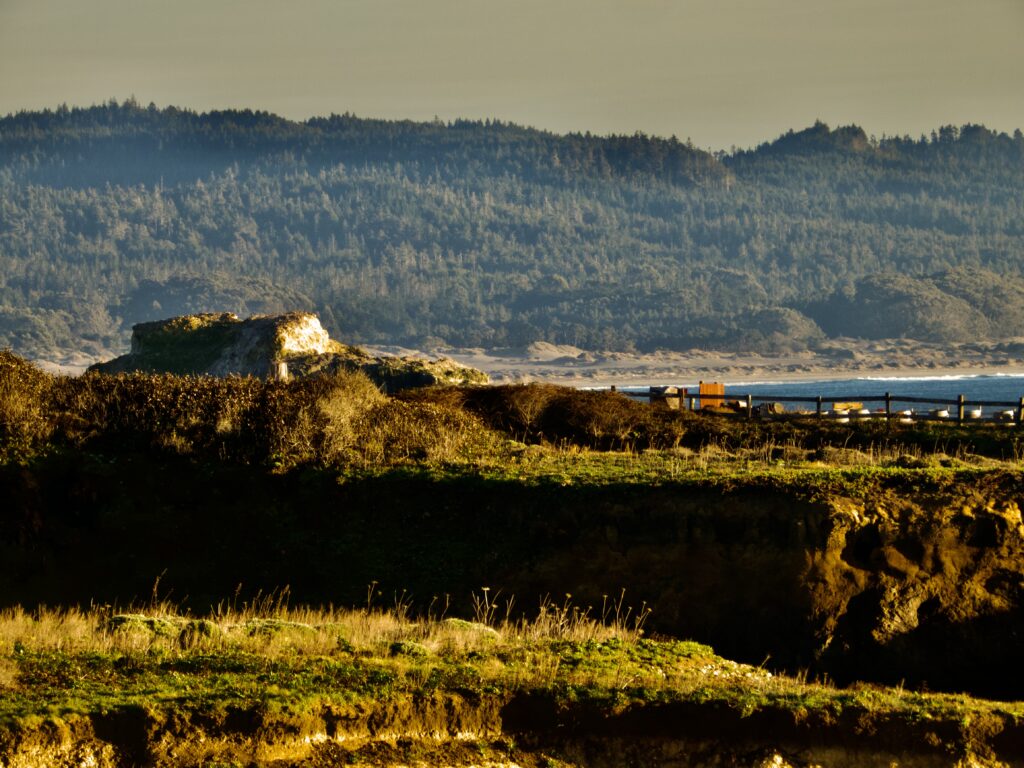
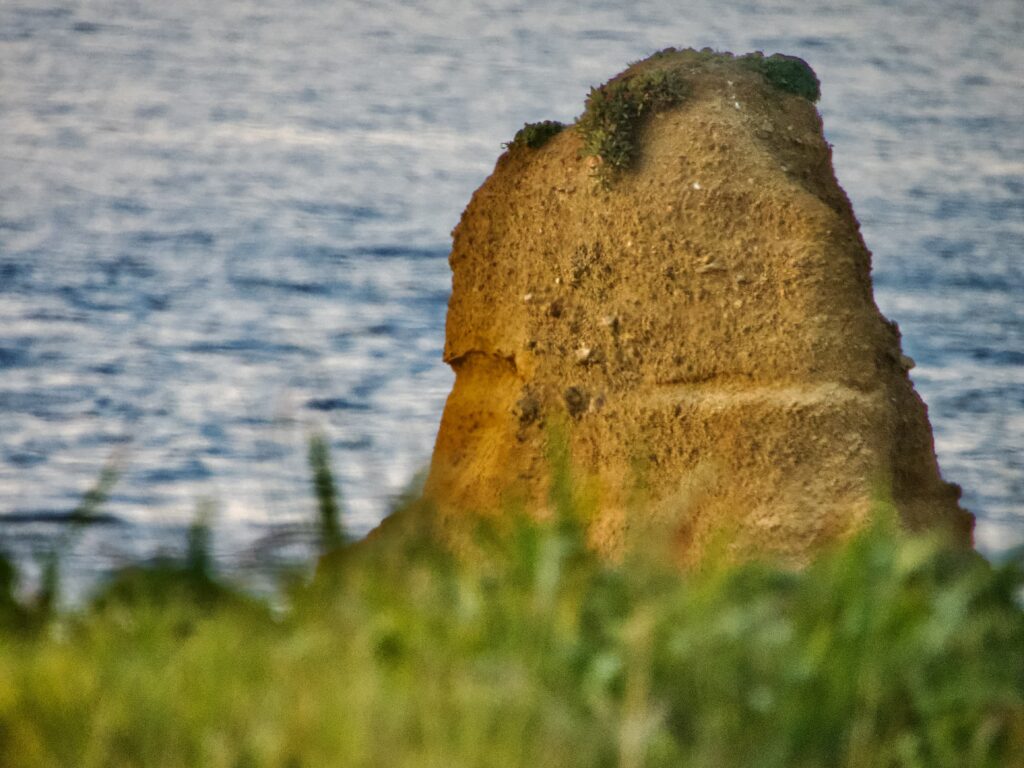
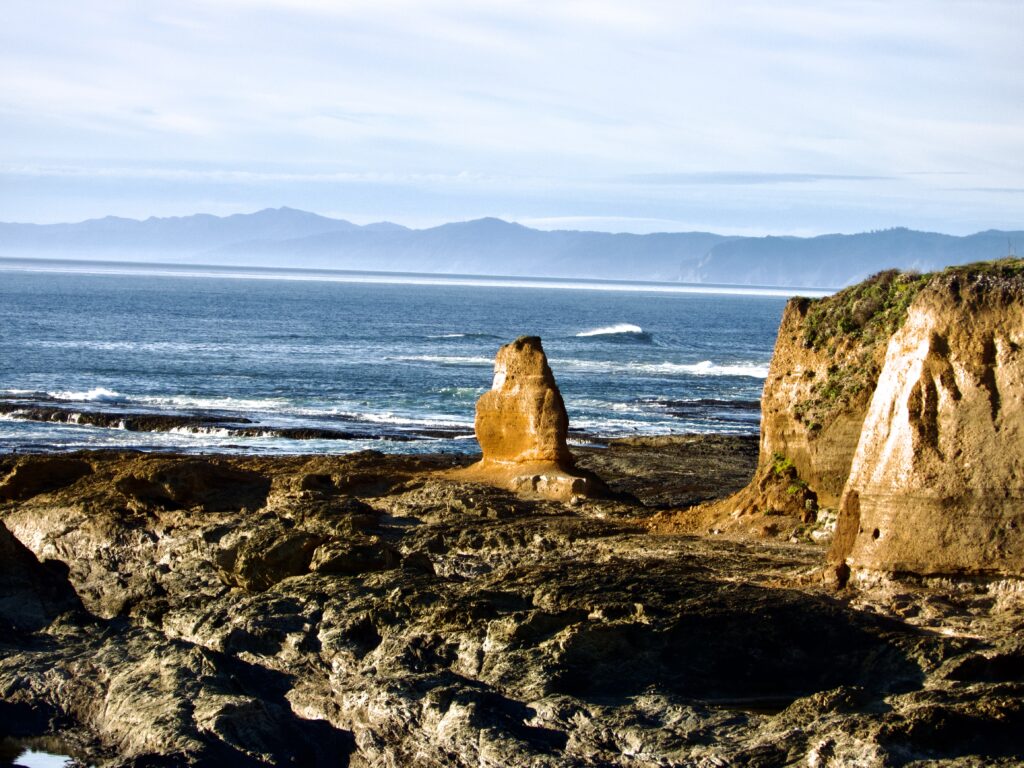
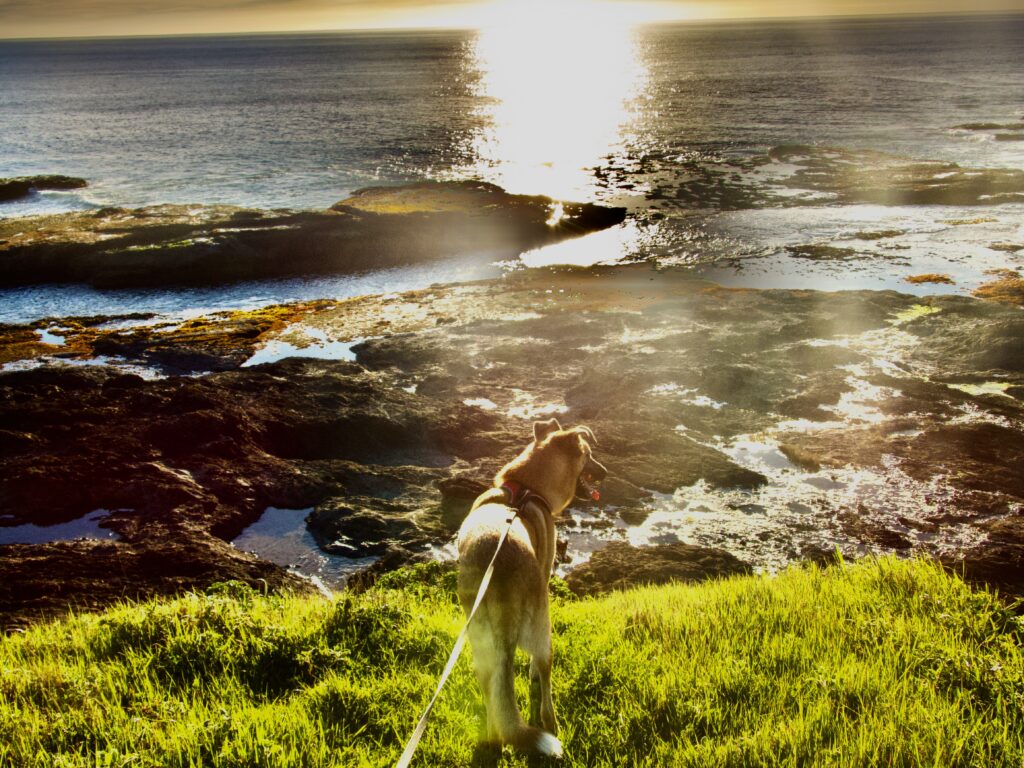
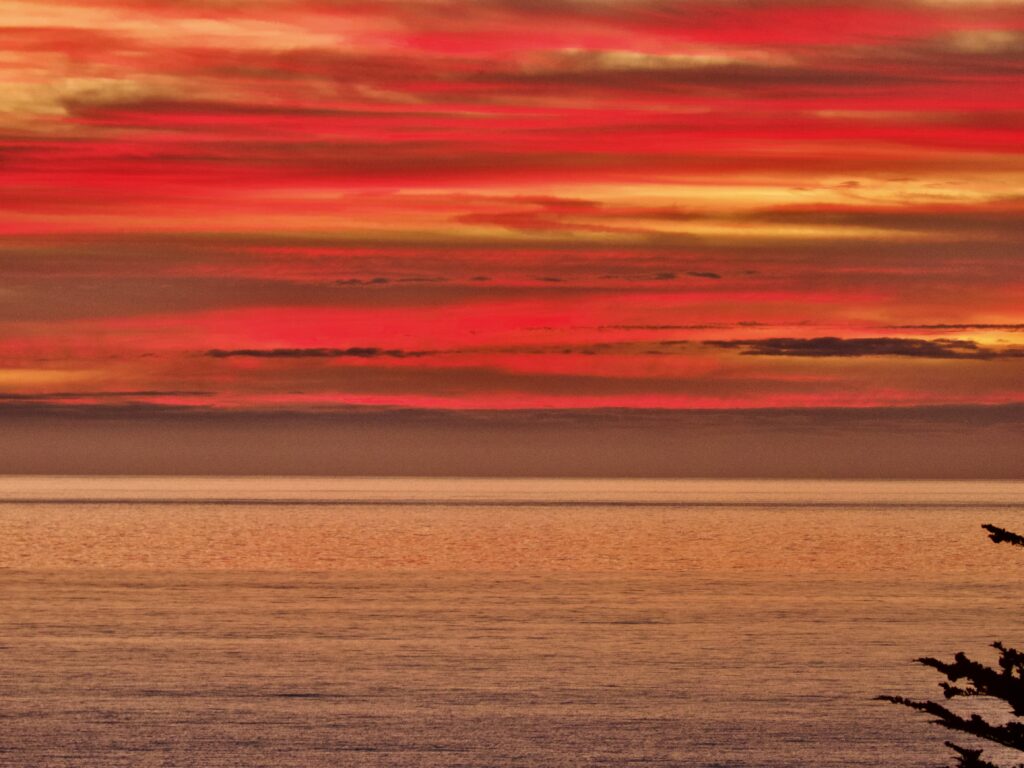
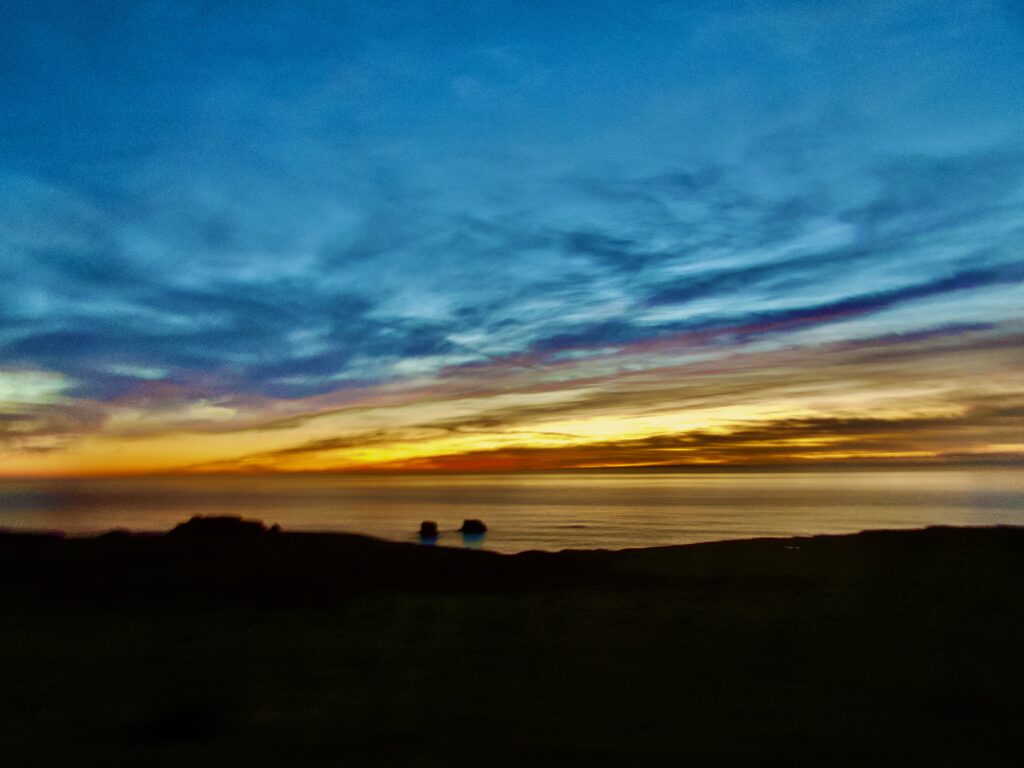
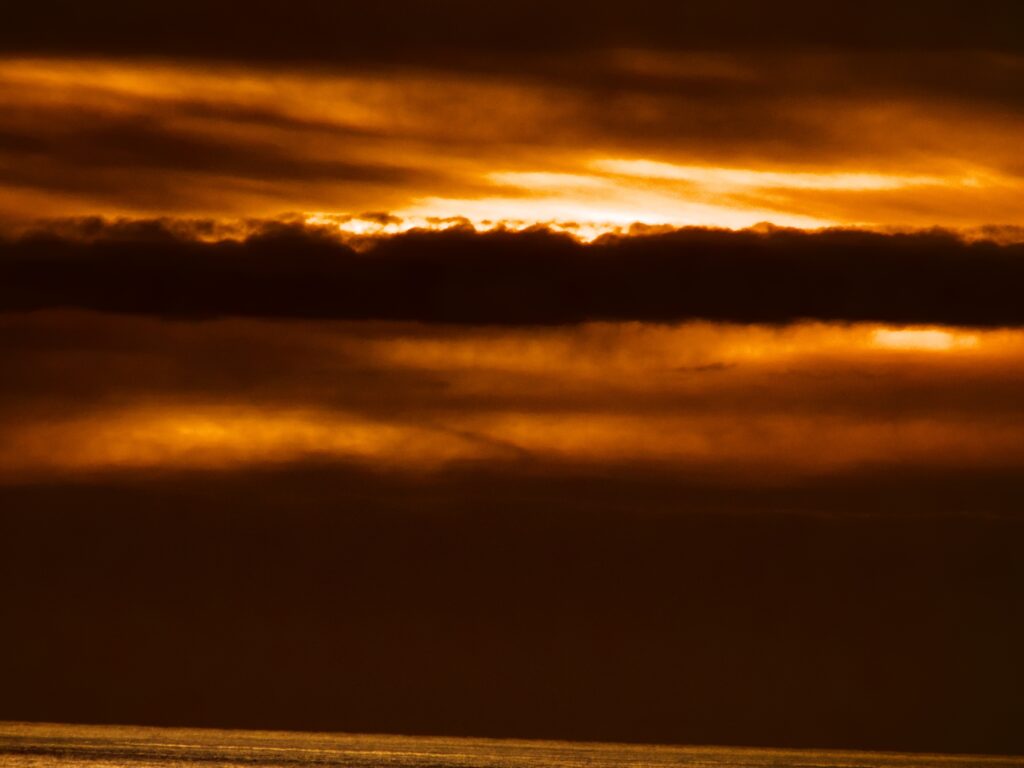
Then Frank went back home, collected Linda and the dogs, and we headed to our most spectacular sunset‑kiss spot, Bruhel Point. The light was already turning that warm, honeyed gold when we arrived, and almost immediately we spotted what we thought were more Risso’s dolphins — followed by that “oh my gosh, we really did mistake buoys for dolphins again” laugh we can’t seem to stop having. In truth, it was mostly crab‑pot buoys doing their best impersonation. Still, we caught sight of three real dolphins and three gray whales, and the whole trip felt like a little coastal blessing wrapped in humor. And the kiss — well, the kiss was spectacular, the kind that makes the whole horizon feel like it’s holding its breath for you. It’s hard to explain how we kept making the same mistake, but the buoys leaned back just like the tall dorsal fin of a Risso’s and sat at exactly the same distance from shore, tricking us every time.
We saw one dolphin rise out of the water facing straight toward us — a brief, perfect moment. The face of a Risso’s, with that rounded head and almost smiling pig‑like expression, is nothing like the classic pointed dolphin profile, and seeing it head‑on felt like a tiny miracle. Of course, we missed the photo. It was there and gone in a heartbeat, the kind of coastal moment you just have to hold in your memory instead of your camera.
Risso’s Dolphins live in every one of the world’s oceans and prefer the edge of the continental shelf, where they can dive up to 1000 feet and hold their breath for 30 minutes. The edge of the continental shelf is often too far from shore to see them, but here the water gets deep fast, and they can be seen from places like the high bluffs north of Fort Bragg. Like the gray whales, they migrate north in March in April. They usually go as far as Washington, not all the way to Alaska like grays. They live year round off Southern California and Mexico where they eat their favorite food, squid. They usually travel in pods like the two we saw, 10-20 individuals but sometimes travel alone or in groups in the thousands. They sometimes associate with other whales, as we saw them near, but not next to gray whales. The population of Risso’s Dolphins numbered about 5000 off the West Coast of Mexico, USA and Canada in the last NOAA population assessment, done in 2016.
Risso’s dolphins are a whale‑watching thrill, and today felt especially magical because we’d never seen them before. They’re actually fairly common off California, not endangered or threatened here at all — though they are in the Mediterranean — which made their appearance feel like a gift. They are usually far enough from shore to require a telephoto and a trained eye to spot them. I was surprised to see so many crab pots out; I thought crab season was over and had been declared a bust. Could the dolphins be robbing the pots? LOL. Their favorite food is squid, and they’ll eat all sizes, including the big four‑foot Humboldt squid. They don’t go after the truly giant squid — those are bigger than the dolphins themselves — but the octopus and squid they do tackle fight back hard. You can see the evidence all over their bodies: pale scars from a lifetime of wrestling tentacles. Risso’s are toothed dolphins, kin to pilot whales, false killer whales, and killer whales, and their white markings are like a map of every battle they’ve ever had with something deep and determined.
The Risso Dolpin is named for the Frenchman who studied them during the time Thomas Jefferson was president of the United States. Antoine Risso was from Nice. He was born in 1777 and died in 1845. . His detailed study and documentation of the animal formed the basis of the first formal scientific description published by Georges Cuvier in 1812. In the time of Dr. Frankenstein, Cuvier was one of the world’s most famous real scientists, credited with helping create the fields of paleontology, the study of fossils and comparative anatomy. Cuvier proved that bones unearthed in northern Europe were not from an elephant but an extinct animal he named the Woolly Mammoth. Cuvier named Risso’s Dolphins for a man who had discovered a dead one on a beach and made profound, and we now know correct conclusions about it life, such as the fact Risso’s dolphins spend their entire life fighting, like boxers gone wild, and their bodies are covered with scars that prove this. Most of the fights are with their favorite food, squid. Risso’s are large dolphins, growing as big as 12 feet, but not the largest. That would be the killer whale, which is a dolphin, not a whale.
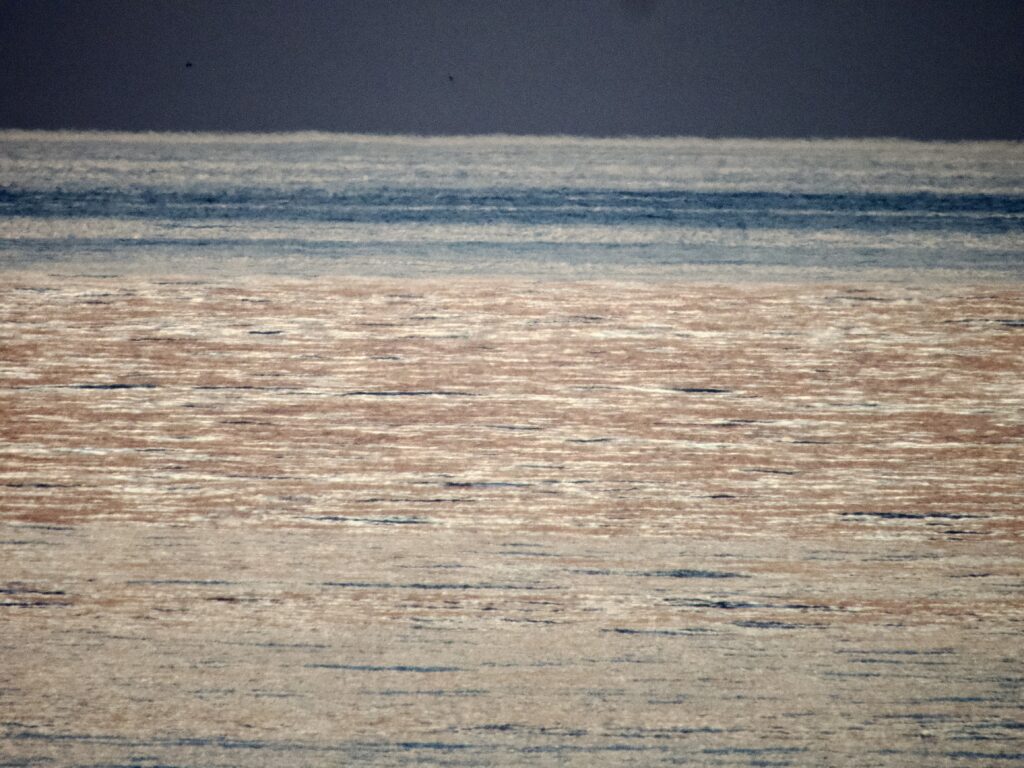
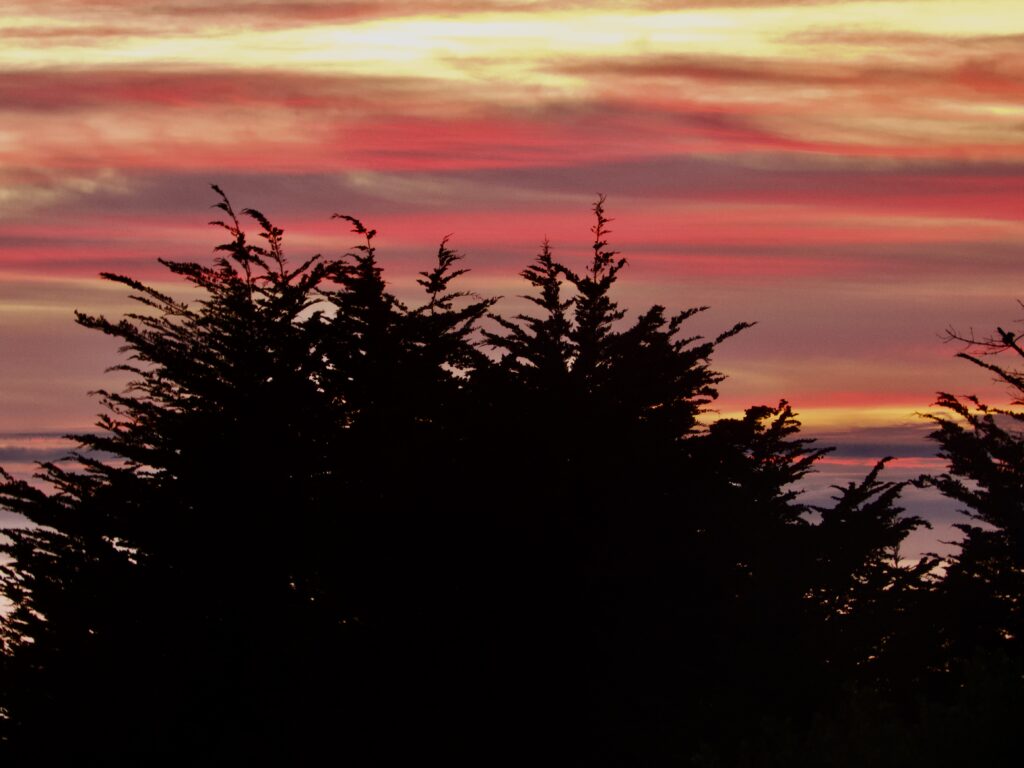
So we closed the day snuggled up under the sunset, the whole coast going quiet around us while the sky lit itself on fire one last time. After a day of Risso’s ghosts, gray‑whale giants, buoy impostors, dog philosophers, and golden‑water illusions, it felt like the coast was telling its own story — and letting us listen.
Come wander through the pictures with us. The dolphins, the whales, the light, the dogs — they’re all waiting. Until we meet again.