Death cap mushrooms kill one, sicken 21 in San Francisco and across Northern California—only forage mushrooms you know are safe! State fails to give out any relevant info in alarmist press release
We have no idea who died, how they died or if all 21 or 22 mushroom hunters were in one county, all together or what, but the state has issued a press release imploring everyone to stop all wild mushroom hunting.
The state is saying that death cap mushrooms are taking their worst toll on mushroom hunters in many years but they have provided very little specifics. Authorities say someone died after eating a death cap, and 21 others have been sickened—many with severe liver damage, including one who required a transplant. The state didnt say anything about whether this cluster of sickenings was rare or not. Our research shows this marks the first fatality reported in press releases in the last several years at least. We think warm November and December, with intermittent but not persistent rains, created the conditions for this surge.
The Mendocino County Department of Public Health, for unknown reasons, issued a press release this afternoon (Dec 16). The press release had nothing new from one the state had issued ten days earlier which was bland and lacking specifics. The state press release says nothing about where someone died, and even the New York Times had nothing beyond the press release and common encyclopedia info. The state issued an alarmist press release saying everybody stop all mushroom hunting now! But why? Is there another mushroom that is suddenly prevalent that people are mistaking for death caps? . Imagine how much more effective it would have been had they told us HOW people died?
With no fact to report we are MAKING UP this next section as an example to show what should have been said
Mushroom hunters in ??? unknown forest, found mushrooms behind a shed that they mistook for ????. Or whatever happened, a description like the above of the actual circumstances could really help. When a member of the prominent Sebastiani wine family died in the 1990s after eating death caps he found foraging, authorities were much more helpful than they are now. There were news programs on how it happened, where he found them, and what other mushrooms they look like. That kind of cooperation between the media and the health authorities helped. The press release went out, and as is the case with modern “journalism: virtually nobody, perhaps absolutely nobody called and asked any questions, as usual now. Were all 21 or 22 cases from one mushroom-hunting groups? Over what time period did they happen?
We did call and email on Tuesday. We did research and found out some interesting facts, but nothing about whether anyone in Mendocino County has been sick. It’s all too common now for authorities to release very non-specific information about most everything. Most news sources print only unmodified press releases anyway. Plus, HIPAA makes it illegal for any doctor of medical facility to tell anything about anything at all happening like this. It’s why most people think it’s amazing that Linda got the bird flu last year- its simply going around and not reported because everything actually relevant and not from the encylopedia is a secret now.
California has faced a cluster of death cap deaths in the past. In 2014, 14 people were poisoned; all survived, but three required liver transplants, and one child suffered permanent neurological impairment. We don’t really know if that was actually worse than other years, as no statistics seem to exist on any of this, but it was the most reports we found in the media about any previous year.
Death caps thrive in California but are not confined to the state. The species is responsible for 90% of mushroom-related fatalities worldwide. Native to Asia and Europe, they spread across the U.S. after introduction—possibly even deliberately by people secretly using them as poision. Ancient accounts blame them for the death of Emperor Claudius in Rome. Secrecy has always been the partner of death caps. Most people aren’t impressed with vague non non-specific information that doesn’t seem to pertain to them. In Australia this year, a woman killed three members of her family with death caps mixed into food. Many there didn’t know they existed down under prior to the trial, news accounts state.
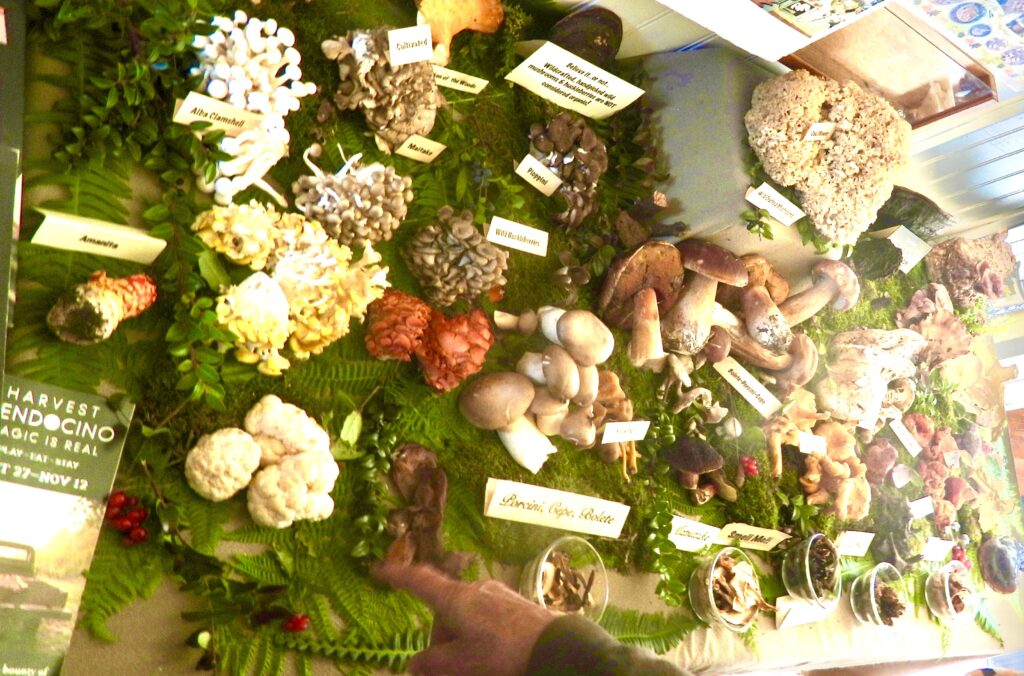
Health authorities giving us little or no facts are asking us all to stop all mushroom hunting. But here, that advice won’t stick, nor should it. . Most local foragers know what a death cap is and steer clear. The best path is education: join the Mendocino Coast Mushroom Club, attend Robert Douglas’s Jackson Forest forays, and above all—never eat a mushroom unless you are absolutely certain it is safe.
The following is a press release from Mendocino County Public Health, which repeats the bland, nearly fact free press release the state issued ten days ago. Hopefully you can get more out of it than we did.
CDPH Issues Urgent Warning: Deadly Mushroom Poisoning
CDPH is urging the public to avoid foraging or consuming wild mushrooms after amatoxin poisoning that has led to severe illnesses and one confirmed death. As of December 5, 2025, the California Poison Control System (CPCS) has identified 21 cases statewide, with significant clusters in the Monterey and San Francisco Bay Areas. Over what time period? People need to know. Was the death part of the 21? They dont say. And nobody who reported this 10 days ago asked.
Death cap mushrooms carry deadly toxins capable of causing severe liver failure. Due to their close resemblance to safe, edible species, the public is strongly advised to avoid foraging wild mushrooms during this high-risk season.
Severe Risk from Toxic Death Cap Mushrooms
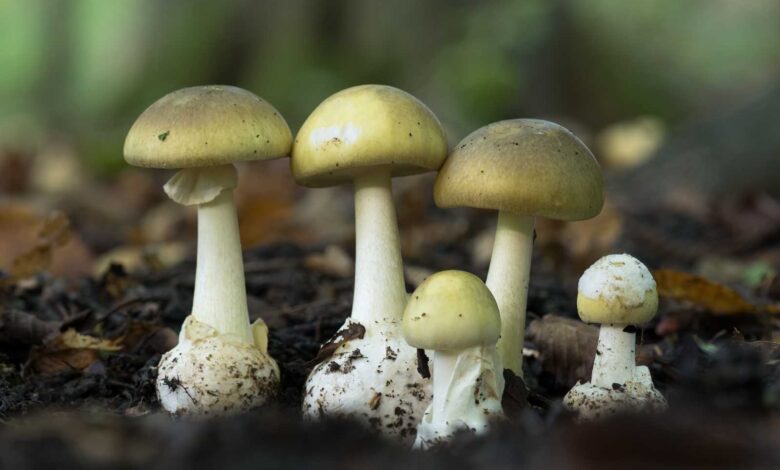
The death cap mushroom (Amanita phalloides)—common in California, especially near oaks and other hardwood trees—poses a life-threatening danger. These toxic mushrooms often resemble safe, edible species, and cooking or freezing does not make them safe. What species do they resemble?
Symptoms such as nausea, vomiting, and diarrhea can appear 6–24 hours after ingestion, sometimes improving temporarily before severe liver damage or failure occurs within 48–96 hours.
Guidance for Healthcare Providers
CDPH advises healthcare providers to maintain high suspicion for mushroom toxicity and to promptly contact the California Poison Control System at 1-800-222-1222 for consultation on diagnosis and treatment.
Public Safety Reminder
With fall and winter rains creating prime conditions for toxic mushroom growth, Public Health strongly advises:
• Do not forage wild mushrooms.
• Consume only mushrooms purchased from retail stores or known commercial sources.
For more information, visit the CDPH website or the California Poison Control System.
http://www.cdph.ca.gov/…/EIS/Poisonous-Mushrooms.aspx
https://calpoison.org/contact