First Sneaker Waves Since Spring: They Don’t Sneak—They Strike. Know the Risk, Skip the Beach
On Wednesday morning, KOZT’s Joe Regelski broke the news: the first sneaker waves of 2025 were forecast to hit that day. Seas surged past 15 feet—the highest since late spring—and the risk will linger through Friday, though Wednesday marked the peak.
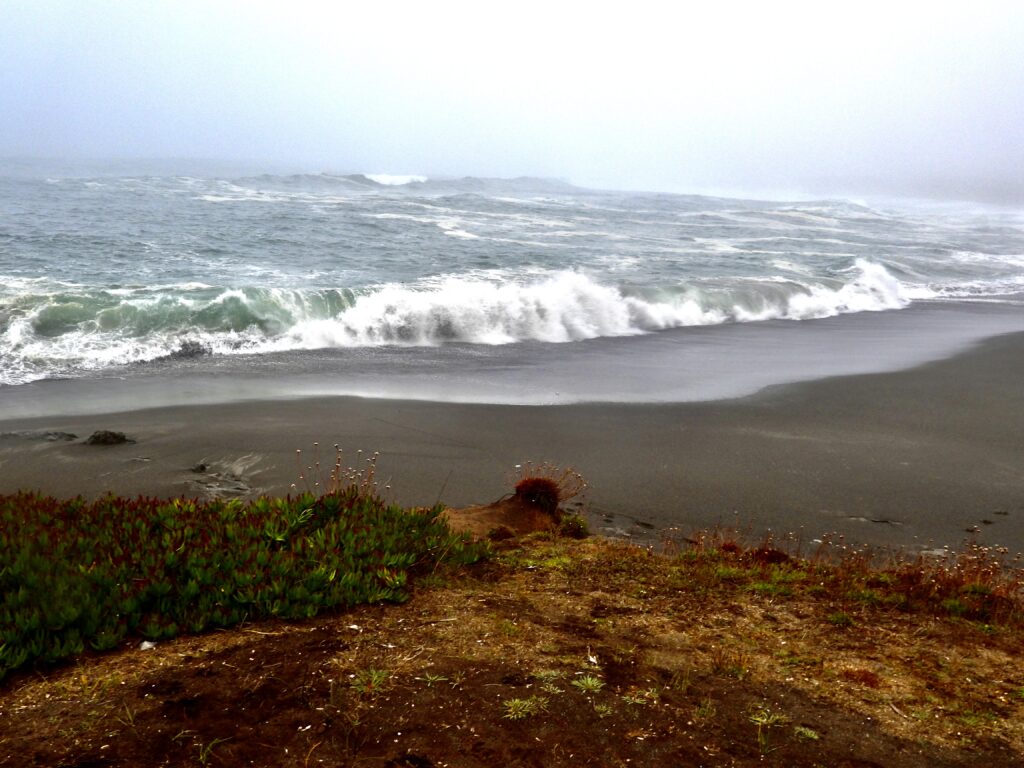
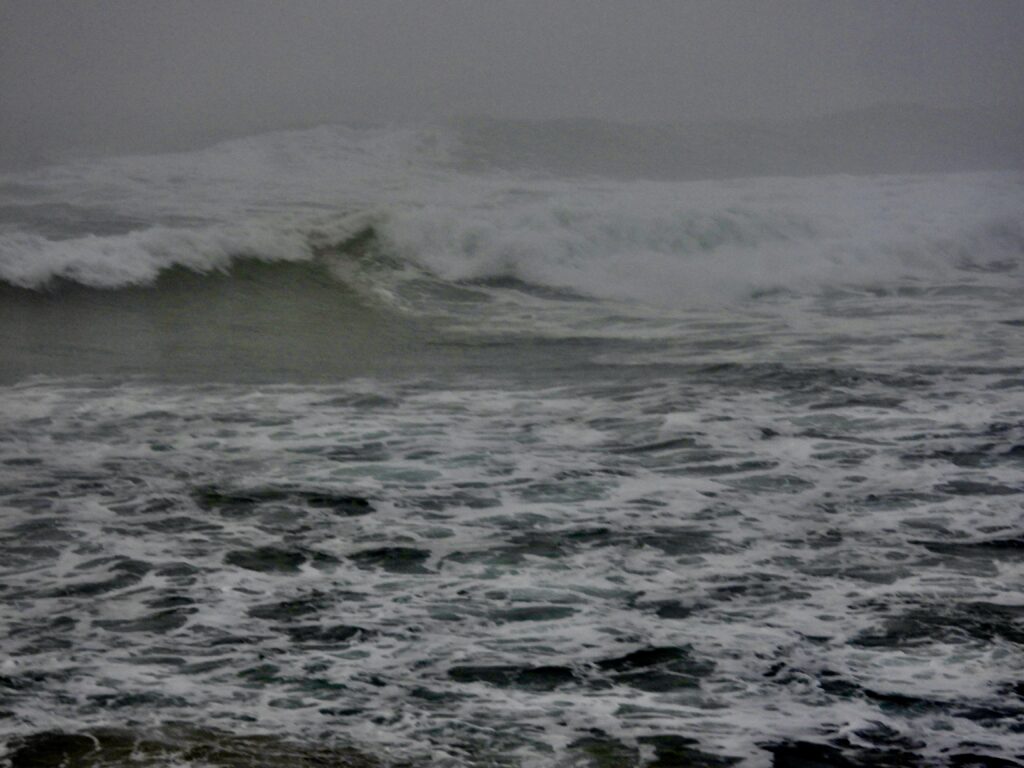
By Monday evening, a good-sized crowd had gathered at Laguna Point—parked cars lined the bluff as dusk settled in. The waves put on a spectacular show, and the thick fog made it all feel surreal, eerie, and undeniably cool.
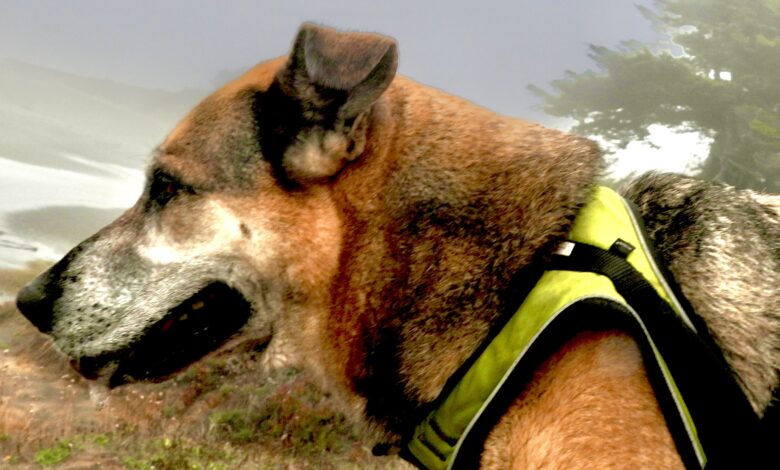
Perhaps unwisely, Frank took Brutus and Caesar down to a Laguna Point picnic table, and we watched the sneaker waves from the relative safety above. It was 8-month-old Caesar’s first storm, and he looked as awestruck as a Kansan seeing the Pacific rage for the first time. Normally, both dogs would be tugging to swim—but not this time. Leashed and wide-eyed, they stared at the fog, the thunderous surf, and the eerie rhythm of the sea.
Most of the time, the waves stayed about 25 feet out. But several sneakers surged all the way up to us. The picnic table’s elevation kept us dry, but when one wave broke through, all three of us instinctively backed up. I’m pretty sure we were all thinking the same thing: “Wow. We could’ve been down there on that dry beach with 20 feet of clearance.”
The internet is full of sneaker wave videos—some funny, some downright chilling. People toppled, soaked, or worse. This YouTube clip from the National Weather Service shows just how far these waves can reach—and how fast disaster can strike.
Sneaker Waves: Respect the Power of the Ocean!
I still remember the heartbreaking story from a Bay Area beach—maybe 2013. A man, his son, and their dog went out for their usual walk, a routine they’d followed safely for years. But that day, a sneaker wave surged up and snatched the boy. The father tried to save him, and all three were lost. I imagine the National Weather Service had issued warnings, but the beach had always felt safe. That memory—and others like it, including lives lost here on our coast over the decades—is why I’m writing this.
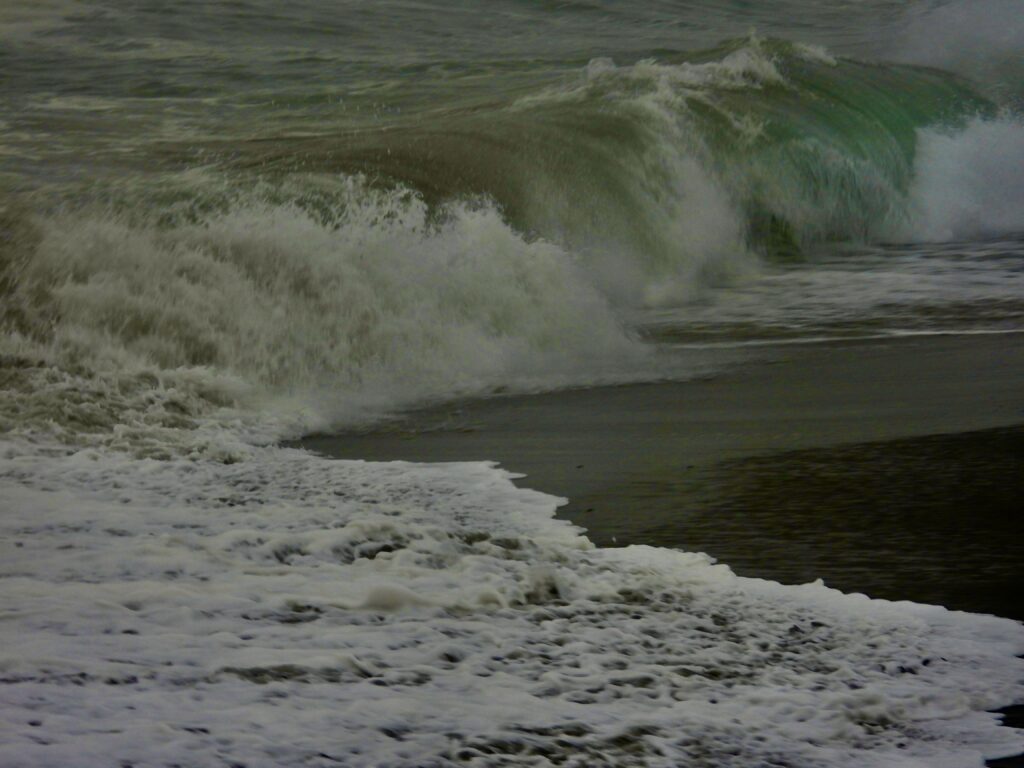
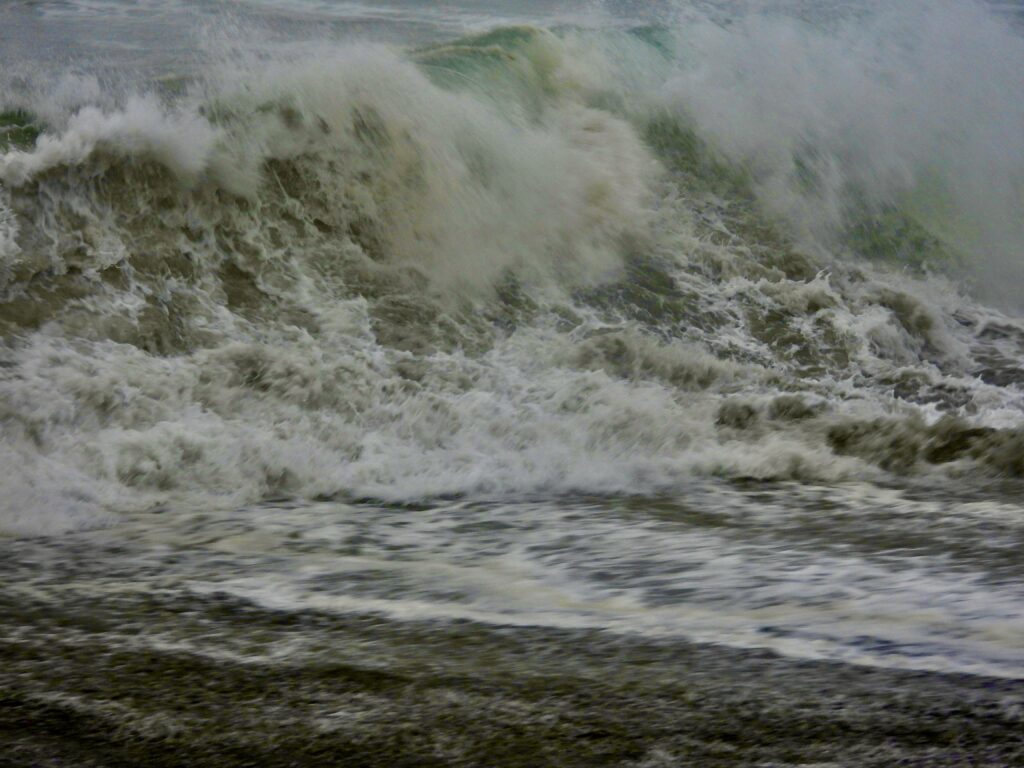
Sneaker waves are potentially deadly. As the National Weather Service puts it, they “emerge from the ocean without warning and surge further up the beach than expected, overtaking the unaware.” Contrary to what a quick Google search might suggest, they’re not just the biggest wave in a set. They can be large—but usually, they’re not. If you’re scanning the horizon for the big one, you might miss the sneaker entirely… and end up with saltwater in your face—or worse, a visit to Davy Jones’ Locker.
Frank remembers learning about this in a college-level oceanography class—he and other seventh graders were selected to take it through MASS in the ’70s. The models used two hands to represent wave energy: one with long, skinny fingers from a distant storm, the other with short, stubby fingers from a dense, local system. Most waves hitting the beach came from the stubby fingers. Even when the skinny-finger energy arrived, it usually coincided with the fat fingers or hit while the fat-finger energy was pulling back. In those cases, nothing unusual happened.
But waves don’t hit every second. And once in a while, the skinny-finger energy arrives just behind the stubby-finger surge. The two combine, break free from the usual physics, and suddenly—one wave rockets up the beach, far beyond the rest. Far beyond what anyone expects. That’s the sneaker. That’s the drenching, face-in-the-sand moment.
Each year, a few lives are lost to sneaker waves on beaches from the Bay Area to Mendocino County. A Sacramento Bee reporter once tracked these cases, describing sneaker waves as “a whip cracking suddenly out of the ocean and hitting far into the distance.”
Good visual.
That biggest sneaker wave we saw? It didn’t feel like fingers reaching—it felt like a whip. Sudden. Sharp. Painful. Cracking out of the ocean and lashing the shore with no warning. The models might show hands and energy flow, but what we felt was raw impact. That’s the danger. That’s the drama.
So listen to the forecast. When sneaker waves are predicted, skip the beach entirely. Not “just for a minute,” not “just to watch.” These waves don’t care how familiar the shoreline feels. They strike fast, far, and without warning.
After somewhat imprudently watching the wave show from the picnic table, we took off—bike, dogs, and all—down the Haul Road for a mile or more, then looped back along the Coastal Bluff Trail. Normally, Brutus and Caesar would beeline for the water from every cliff, eager to swim. Brutus, on a calm day, will charge 100 yards into the ocean for reasons known only to his canine brain. But not this time.
This time, they ran to every overlook and just… stared. Shoulder to shoulder, eyes locked on the spectacle. And they lingered—longer than you’d expect from dogs with famously short attention spans. No tugging toward the surf. No wild-eyed beach sprints. Just awe.

mesmerized by the ocean’s fury.
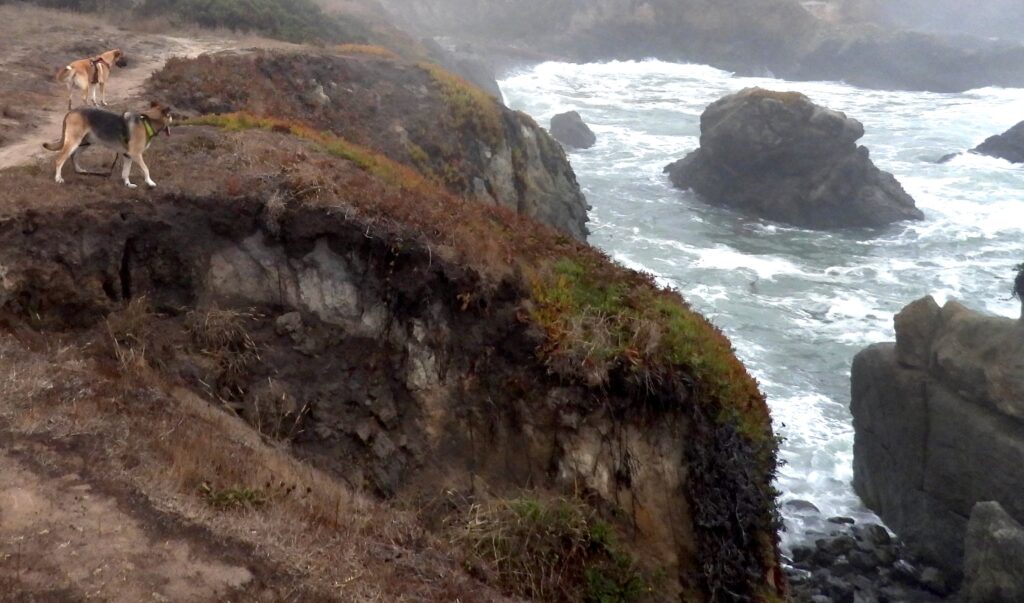
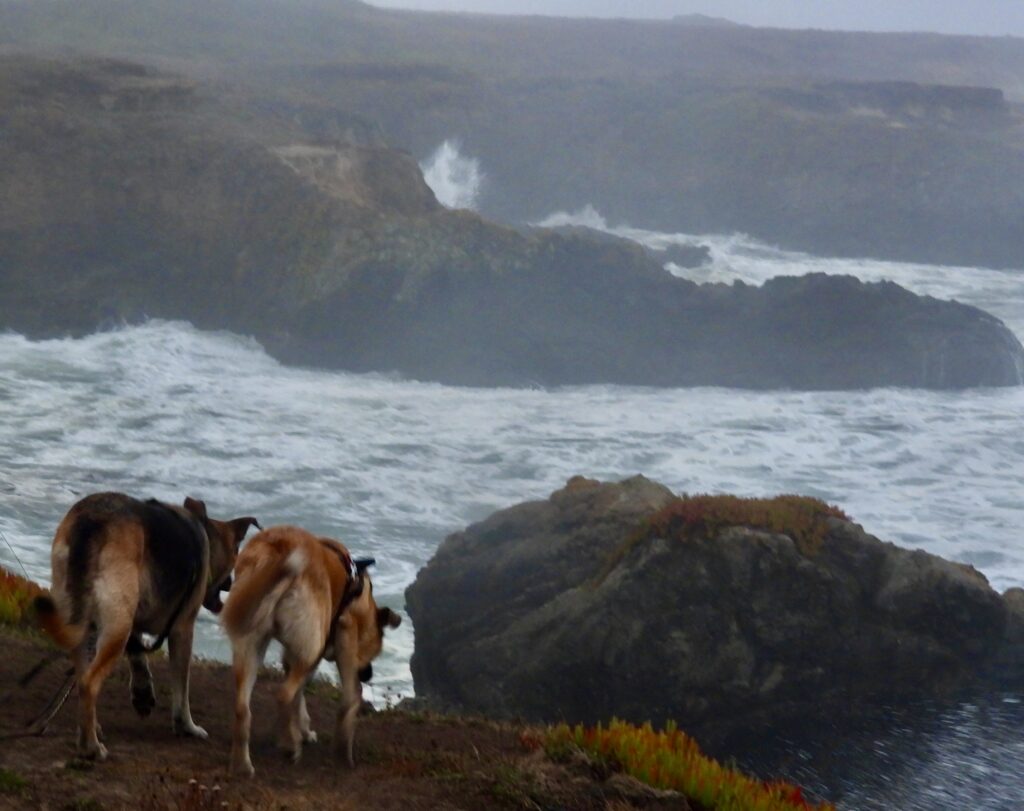
There wasn’t much separating us land mammals today—we were just quiet witnesses to the raw power of creation and Mother Ocean.- From Cleone’s foggy bluffs, with Brutus and Caesar still watching the surf, — reporting from the edge of awe, and reminding you: when the ocean speaks, step back and listen.
Sneaker waves have claimed dozens of lives along the Pacific coast in recent decades, often during seemingly calm conditions. In Oregon alone, at least 21 deaths were attributed to sneaker waves between 1990 and 2020. California’s rugged beaches—like Point Reyes, Big Sur, and Humboldt’s Big Lagoon—have seen their share of tragedy too.
The danger isn’t just the wave—it’s the illusion of safety. Sneaker waves strike fast, far, and without warning. They don’t follow the rhythm of the surf. They don’t announce themselves. And they don’t care how familiar the shoreline feels.
So when the forecast mentions sneaker waves, skip the beach entirely. Not “just for a minute,” not “just to watch.” Because the ocean doesn’t do second chances.